The trans women are women debate isn’t just a philosophical skirmish—it’s a cultural earthquake reshaping the very foundations of feminism. For decades, the movement has been a fortress of sisterhood, a sanctuary where shared struggle forged unbreakable bonds. But now, that fortress is trembling. The question isn’t merely academic; it’s existential. What does it mean to be a woman? And more crucially, who gets to decide? This isn’t a debate for the faint-hearted. It demands we confront uncomfortable truths, challenge sacred cows, and ask whether solidarity can survive when the very definition of womanhood is under siege.
The Historical Roots of Feminist Exclusion
Feminism’s relationship with trans women is a paradox wrapped in centuries of exclusion. The movement’s early waves were built on the backs of women who were denied education, bodily autonomy, and political voice—yet those same women often replicated the oppression they fought against. When trans women entered the conversation, they were met with skepticism, if not outright hostility. The argument was simple: womanhood was biological destiny, a fixed identity carved by chromosomes and reproductive organs. To suggest otherwise was to dilute the struggle, to let men—yes, men—into spaces meant for women. This wasn’t just a theoretical debate; it was a gatekeeping mechanism, a way to preserve feminism’s purity at the expense of those who didn’t fit the mold.
The irony? This exclusionary logic mirrors the very systems feminists have spent lifetimes dismantling. Patriarchy doesn’t care about chromosomes. It cares about control. By policing who qualifies as a woman, feminism risks becoming the very thing it claims to oppose: a rigid hierarchy that polices identity based on arbitrary rules. The question isn’t whether trans women are women—it’s whether feminism is willing to evolve or cling to dogma that serves no one but those already in power.
The Biological Fallacy: Why Chromosomes Don’t Define Womanhood
Let’s dispense with the myth that biology is destiny. Chromosomes are not a moral compass. They don’t dictate worth, capability, or lived experience. A woman with XY chromosomes is no less a woman than one with XX. Yet the insistence on biological determinism persists, as if womanhood were a biological fact rather than a social construct. This isn’t just outdated—it’s dangerous. It reduces women to their reproductive potential, erasing the millions who don’t fit the mold: infertile women, postmenopausal women, intersex women, and yes, trans women.
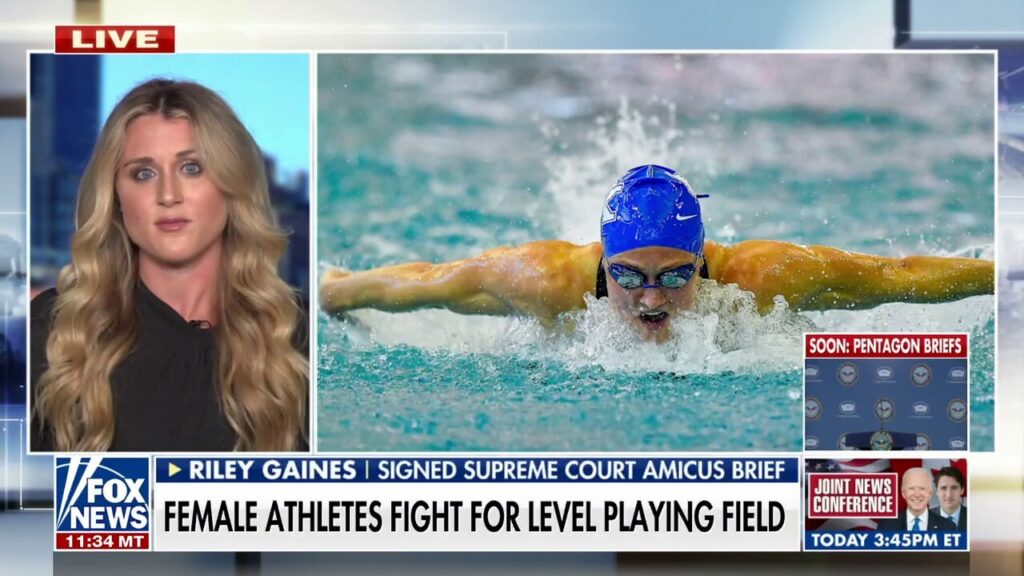
Consider the case of athletes like Laurel Hubbard, whose inclusion in women’s sports sparked global outrage. Critics argued that her testosterone levels gave her an unfair advantage, as if biology alone could determine athletic prowess. But where’s the outrage for cisgender women with naturally high testosterone? Where’s the scrutiny for the arbitrary thresholds that gatekeep participation? The obsession with policing bodies isn’t about fairness—it’s about fear. Fear of losing control. Fear of a world where womanhood isn’t a fixed category but a fluid, evolving identity.

The Intersectional Betrayal: When Feminism Turns Its Back
Intersectionality was supposed to be feminism’s salvation—a framework that recognized how race, class, and gender intersect to shape oppression. Yet when trans women entered the equation, many self-proclaimed intersectional feminists looked the other way. The logic was perverse: trans women, they argued, were privileged men who had never experienced misogyny. Never mind that trans women face staggering rates of violence, discrimination, and erasure. Never mind that their inclusion in feminist spaces is often met with hostility rather than solidarity.
This isn’t just a betrayal of trans women—it’s a betrayal of intersectionality itself. If feminism cannot accommodate the most marginalized among us, what is it good for? The movement’s failure to center trans women isn’t just a tactical error; it’s a moral failure. It reveals a feminism that is more interested in preserving its own purity than dismantling the systems that oppress all women.
The Language of Erasure: How TERF Ideology Harms All Women
The acronym TERF—Trans-Exclusionary Radical Feminist—has become a dirty word, but its ideology is far more insidious than the label suggests. TERFs don’t just exclude trans women; they redefine womanhood in ways that harm cisgender women too. By insisting that womanhood is rooted in biology, they inadvertently reinforce the idea that women are defined by their bodies, not their experiences. This plays right into the hands of patriarchal systems that have long sought to control women through their bodies.
Worse still, TERF rhetoric often bleeds into transphobic tropes that paint trans women as predators or deceivers. This isn’t just harmful to trans women—it’s a gift to the very systems that seek to divide and conquer. When feminists align themselves with anti-trans rhetoric, they become unwitting allies to the forces that profit from keeping women divided.
The Future of Feminism: Can It Survive Its Own Divisions?
The trans women are women debate isn’t going away. It’s a symptom of a larger reckoning—one that demands feminism confront its own contradictions. Can the movement evolve, or will it fracture under the weight of its own dogma? The answer lies in whether feminism is willing to prioritize solidarity over purity, inclusion over exclusion.
Some argue that the debate is a distraction, that feminists should focus on tangible issues like pay equity, reproductive rights, and gender-based violence. But this ignores the fact that the debate itself is a battleground for the soul of feminism. If feminism cannot accommodate trans women, it cannot claim to represent all women. And if it cannot represent all women, it is doomed to irrelevance.
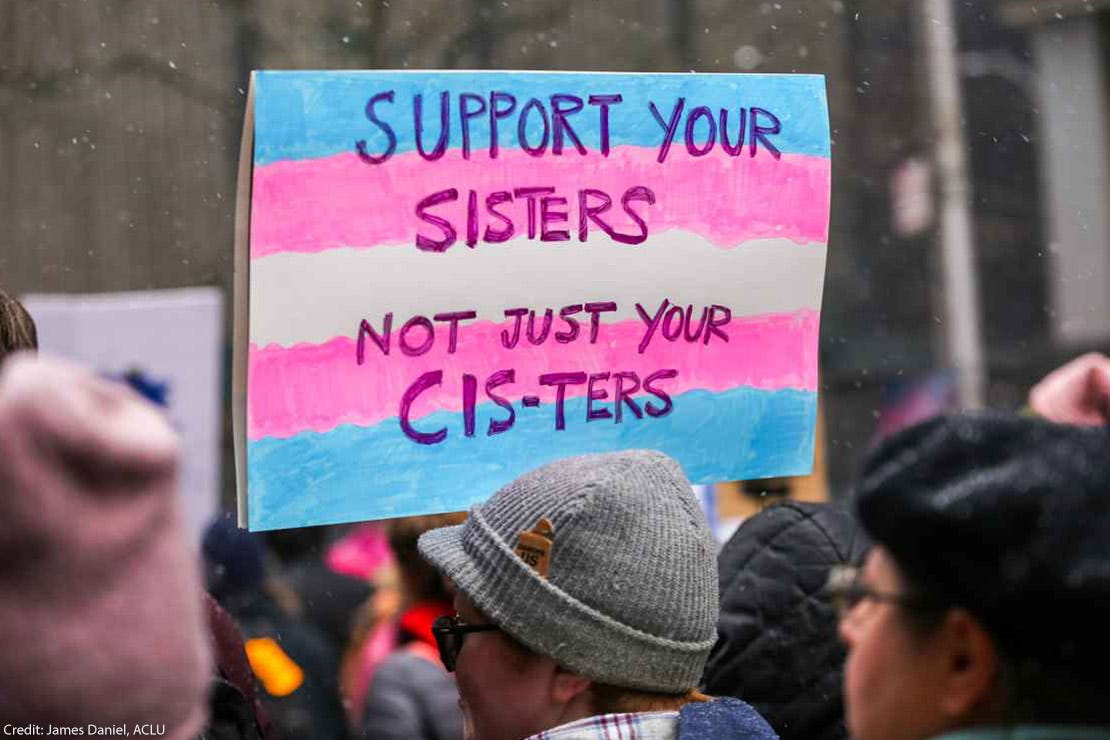
Conclusion: The Choice Feminism Must Make
Feminism is at a crossroads. It can cling to the past, a relic of a time when womanhood was narrowly defined and exclusion was the norm. Or it can embrace the future, a feminism that recognizes the fluidity of identity and the power of solidarity. The choice isn’t just about trans women—it’s about the very soul of the movement.
Will feminism be a fortress that locks out the marginalized, or a sanctuary that welcomes them in? The answer will determine whether the movement survives or becomes a footnote in history—a cautionary tale of a revolution that failed to live up to its ideals.






Leave a Comment