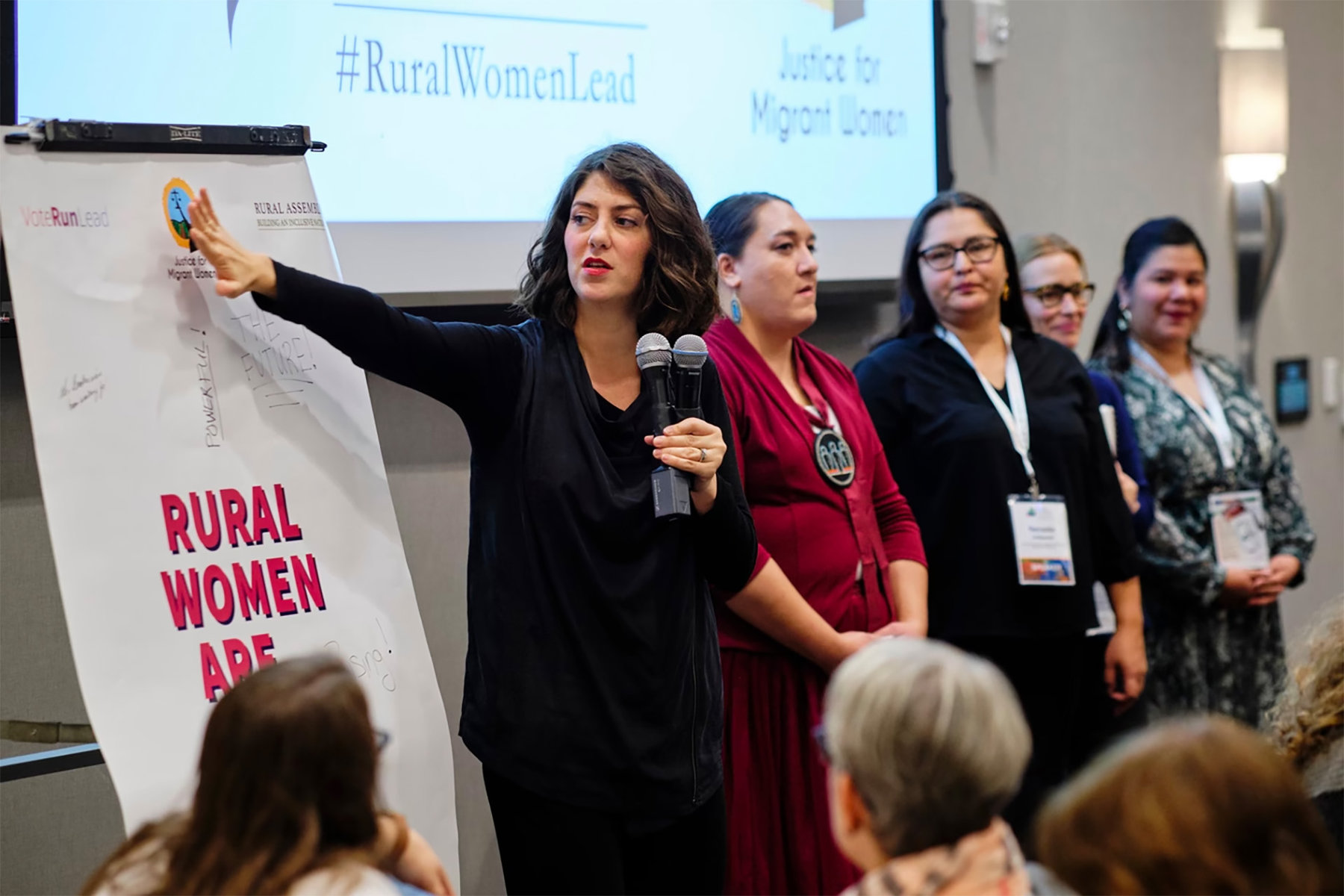
Grassroots feminism in rural America resists the sanitized narratives often fed by mainstream feminist discourse. It is raw, complex, and deeply intertwined with the place-based realities of small towns, agricultural landscapes, and resource-scarce environments. This feminism challenges not only patriarchal norms but also the neglect that rural communities face from policymakers, leaving women to forge paths of change in spaces that are frequently invisible and misunderstood. Here, feminism molds itself to soil and sky, melding survival with resistance in a distinctly local and urgent way.
Rooted in Regional Realities: The Terrain of Rural Feminism
Unlike urban feminist movements marked by digital advocacy and institutional activism, rural feminism sprouts from the gritty interactions of daily life. The women leading these efforts often labor in isolation—both physically and socially. Access to healthcare, education, and employment opportunities is uneven, and infrastructural neglect compounds systemic marginalization. Rural feminist activism therefore demands a nuanced understanding of geography and social context.
These activists grapple with a unique temporal rhythm, dictated by harvest cycles, weather patterns, and community events. The very geography that nurtures tight-knit communities also seeds isolation, making collective organizing more challenging and more necessary. Feminist praxis here is as much about navigating kinship networks and local politics as it is about confronting gender oppression.

Intersections of Identity: Race, Class, and Gender in Rural Spaces
Rural America is not monolithic, and neither is its feminism. The intersecting oppressions of race, class, and gender compound the barriers women face. Indigenous women, women of color, immigrants, and working-class rural women frequently inhabit the margins within margins. Their struggles demand a feminism that is intersectional by necessity, not by choice.
In these contexts, traditional feminist rhetoric sometimes falls short. Discussions must encompass food sovereignty, land rights, environmental justice, and cultural survival. Grassroots rural feminism interweaves these critical issues with gender equity, revealing how systems of oppression exploit both bodies and landscapes. The feminist movement’s ability to pivot and widen its lens is most evident here.
Economic Sovereignty: Redefining Work and Empowerment
Economic hardship is often the subterranean current under rural feminist activism. Women in these areas are not merely demanding equal pay or workplace rights—they are crafting new economic models that reflect their lived realities. Co-operatives, local entrepreneurship, sustainable farming, and barter systems form the backbone of economic resilience and feminist empowerment alike.
Capitalism’s extractive logic clashes with the interdependent nature of rural feminist economies. The concept of “work” expands beyond wage labor to include caregiving, environmental stewardship, and community building. These dimensions shape a feminist economic praxis that challenges the commodification of life and labor, envisioning instead a restorative and equitable economy localized in rural milieus.
Healthcare Access: The Frontier of Bodily Autonomy
One cannot discuss rural feminism without confronting the gaping void in healthcare services. Reproductive rights and healthcare access in rural America remain precarious and politically volatile. Clinics close due to funding cuts; transportation barriers and stigma force many women into silence or dangerous alternatives.
Grassroots feminists in these areas transform necessity into activism by establishing mutual aid networks, mobile health units, and community education programs. Their work foregrounds bodily autonomy as a feminist imperative, extending beyond abortion rights to encompass mental health, chronic illness, addiction support, and eldercare. Rural feminism here is radical health justice writ small but mighty.

Community Resilience and Social Networks: Feminism as Collective Survival
In rural America, feminist activism is inseparable from community survival. The interconnectedness of small-town life means individual liberation is deeply tied to communal wellbeing. Activism weaves through churches, schools, local markets, and family gatherings, building solidarity through shared stories, cultural practices, and grassroots organizing.
The fragility and strength of these social networks dictate the successes and limits of rural feminism. Despite resource scarcity and political backlash, women forge robust alliances that sustain activism across generations. This collective resilience carves out transformative spaces where feminist values are enacted daily, not just theorized.
Technology and Digital Divide: Expanding the Feminist Landscape
Technology offers a double-edged sword for rural feminist activism. On one hand, internet connectivity allows access to information, virtual support networks, and broader movements. On the other, the digital divide exacerbates rural isolation and inhibits participation in national feminist dialogues.
Innovative feminist leaders combat this by creating locally relevant digital literacy programs and harnessing social media for place-based advocacy. The challenge remains to ensure that rural voices are neither marginalized nor homogenized within the larger feminist zeitgeist. Digital tools become extensions of grassroots networks, not replacements.
Confronting Conservatism: Navigating Politics and Culture
Rural America often embodies conservative values that complicate feminist organizing. Resistance to feminist ideas can be fierce, positioning women activists as radical outsiders. Yet, this tension produces a clandestine and resilient feminism that persists beneath the surface of public life.
Activists cultivate cultural fluency and strategic pragmatism—using storytelling, humor, and community history to frame feminist demands in relatable ways. They disrupt dominant narratives by amplifying rural women’s voices, exposing hypocrisies, and forging alliances that transcend ideological divides without compromising feminist principles.
Reimagining Feminism: Toward a Pluralistic and Place-Based Movement
Grassroots feminism in rural America demands the reimagining of feminist frameworks—away from metropolitan, academic, and neoliberal paradigms toward pluralistic, rooted, and place-based approaches. It requires acknowledging that feminist struggles manifest differently depending on context and that the future of feminism depends on honoring these differences.
In this reshaping, rural feminist activism not only challenges gender oppression but also revitalizes communities, uplifts forgotten economies, and nurtures sustainable futures. It insists feminism must be as diverse and multifaceted as the women who embody it. This feminism is not a monolith—it is a mosaic of grit, hope, and indomitable spirit poised to transform rural America.









Leave a Comment