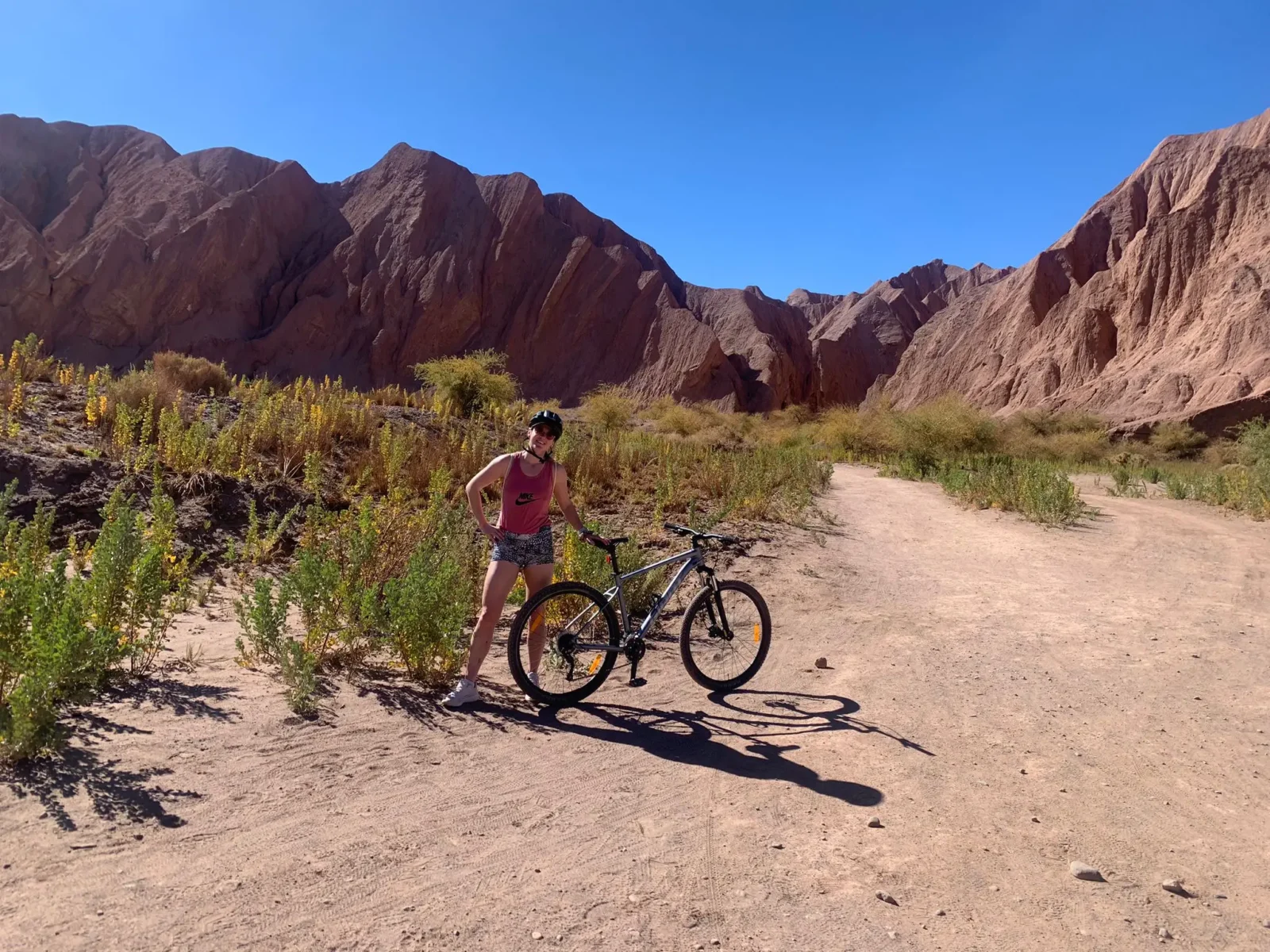
The world is vast, but not all of us traverse it with the same ease. For women, the act of adventure isn’t just a choice—it’s a calculated rebellion against the invisible barriers that dictate where we can go, when we can go, and how we can go. The “adventure gap” isn’t a metaphor; it’s a chasm carved by fear, by societal conditioning, by the unspoken rules that still whisper, *Stay where it’s safe.* But what if safety isn’t the absence of risk, but the audacity to reclaim it? What if adventure, for women, isn’t a luxury but a necessity—a way to rewrite the narrative of who gets to be bold?
The Geography of Fear: Where Maps Fail Women
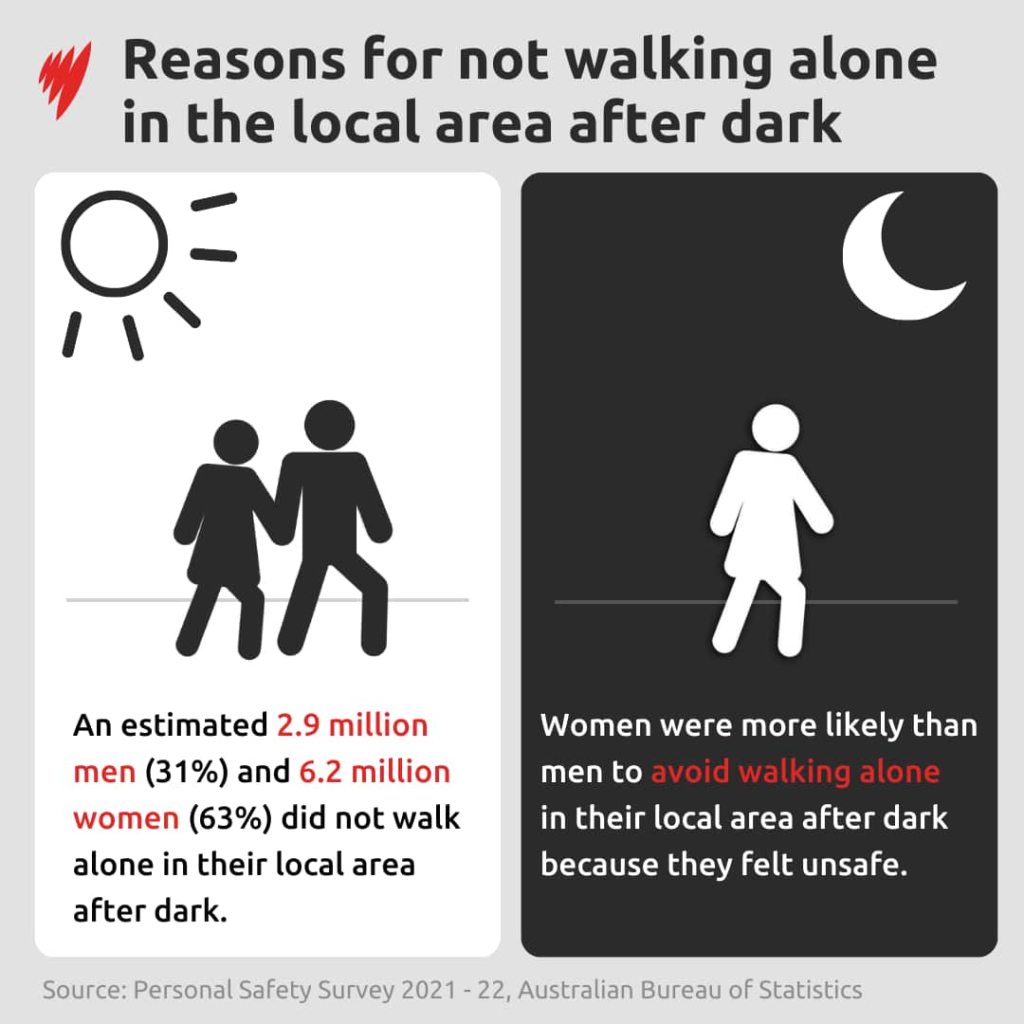
Maps are neutral. They do not tremble at the mention of a dark alley, nor do they flinch at the idea of a solo night train. Yet, for women, the world is not a flat plane of possibility but a topographical nightmare of perceived danger. Studies show that women are far more likely to alter their travel plans due to safety concerns—rerouting journeys to avoid “risky” neighborhoods, avoiding certain countries altogether, or abandoning the idea of solo travel entirely. The adventure gap isn’t just about physical distance; it’s about the emotional cartography of fear that shrinks the world before we even pack our bags.
Consider the woman who cancels her trek through Patagonia because she’s heard whispers of harassment on the trail. Or the solo traveler who opts for a guided tour in Morocco instead of wandering the medina alone. These aren’t cowardly choices; they’re adaptive strategies born from a lifetime of being told that the world is not our playground. But what if the real danger isn’t the trail, but the silence that keeps us from walking it?
Adventure as Defiance: The Politics of Taking Up Space
To adventure is to trespass—not just on foreign soil, but on the expectations that have kept women confined to the domestic sphere for centuries. When a woman hikes the Inca Trail alone, she isn’t just climbing a mountain; she’s dismantling the myth that her body is fragile, her presence a liability. Adventure, for women, is a form of quiet insurrection. It’s the refusal to accept that our curiosity should be tempered by caution, that our dreams should be measured in inches of safety rather than miles of wonder.
Yet, this defiance comes at a cost. The backlash is real—catcalling on the Camino, invasive questions about “who’s watching the kids” while you’re on a month-long expedition, the assumption that your solo journey is either a cry for help or a desperate attempt to escape something. Adventure, for women, is never just about the destination. It’s about the stares, the unsolicited advice, the way strangers feel entitled to comment on your choices. But here’s the truth: every time a woman ventures into the unknown, she doesn’t just claim a new landscape—she redraws the boundaries of what women are allowed to want.
The Illusion of Protection: Why “Safety” Is a Cage in Disguise
We’ve been sold a lie: that safety is a destination, a checklist, a GPS pin marked *Here Be No Danger.* But safety, as it’s peddled to women, is often just another word for confinement. The “buddy system” isn’t a lifeline; it’s a leash. The “reputable tour operator” isn’t a guardian; it’s a gatekeeper. The unspoken rule that women should “stay in groups” isn’t advice—it’s a surrender to the idea that the world is too hostile for us to navigate alone.
What if, instead of asking *Is it safe?* we asked *Is it just?* What if we measured risk not by the presence of danger, but by the absence of freedom? The most dangerous places for women aren’t the ones with high crime rates; they’re the ones where we’ve been conditioned to believe that our presence is a provocation. The real adventure gap isn’t between countries—it’s between the life we’re told we should live and the one we’re capable of claiming.
Rewriting the Script: Adventure as a Feminist Act
Adventure isn’t a frivolous pursuit. It’s a radical act of self-determination. When a woman cycles through Vietnam, when another dives into the Great Barrier Reef alone, when yet another treks the Annapurna Circuit—these aren’t just vacations. They’re declarations. They say: *I refuse to be small. I refuse to be afraid. I refuse to let the world shrink because someone else decided it was too risky for me.*
But this isn’t just about individual defiance. It’s about collective liberation. The more women who venture into the unknown, the more the myth of female fragility crumbles. The more we see women hiking, biking, sailing, climbing, the more the next generation realizes that adventure isn’t a gendered privilege—it’s a human right. The adventure gap isn’t just a personal challenge; it’s a cultural one. And closing it requires more than just brave travelers. It requires a world that stops treating women’s curiosity as a liability and starts celebrating it as a revolution.
The Unseen Costs: When Adventure Becomes a Privilege
Of course, not all women have the luxury of defying fear. For those juggling multiple jobs, caring for children, or navigating financial precarity, adventure isn’t just a choice—it’s a privilege. The women who can’t afford to take risks are the ones who bear the brunt of the adventure gap most acutely. They’re the ones who internalize the message that their dreams should be deferred, their wanderlust a luxury they can’t afford. This isn’t just about safety; it’s about systemic inequality. The adventure gap isn’t just a gender issue—it’s a class issue, a racial issue, an issue of who gets to be seen as *adventurous* in the first place.
So how do we bridge this gap? Not by telling women to “just be brave,” but by dismantling the systems that make bravery a necessity in the first place. By demanding better infrastructure—safe public transport, affordable accommodations, communities that don’t treat solo female travelers as anomalies. By challenging the narratives that paint women as either victims or heroes, never just ordinary people with extraordinary dreams. Adventure shouldn’t be a test of endurance; it should be an invitation to live.
The Future of Fearless Travel: A World Without Adventure Gaps
Imagine a world where a woman’s itinerary isn’t dictated by fear, where her solo trip isn’t met with skepticism, where her presence in the wilderness isn’t a novelty but the norm. This isn’t a utopian fantasy—it’s a future we can build, one brave step at a time. It starts with the women who refuse to apologize for their curiosity. It starts with the allies who amplify their stories instead of questioning their choices. It starts with the realization that adventure isn’t a reward for the privileged—it’s a right for everyone.
The adventure gap isn’t just a gap in experience; it’s a gap in power. And power, as we know, is never given—it’s taken. So take it. Book the ticket. Pack the bag. Walk the trail. The world isn’t waiting for women to be ready. It’s waiting for women to demand their place in it.







Leave a Comment