
It is often whispered in cafés, debated over cocktails, and lamented in late-night texts: “The dating pool is shrinking.” The lamentation is almost ritualistic, a lament for an era perceived as more promising and abundant in romantic prospects. But this common observation skates over a crucial truth more provocative and unsettling than the myth itself—the pool is not drying up; the standards are rising. This paradoxical proposition forces an uncomfortable reckoning with our society’s shifting expectations, cultural narratives, and the intricate dance of desire.
The Illusion of a Vanishing Dating Pool
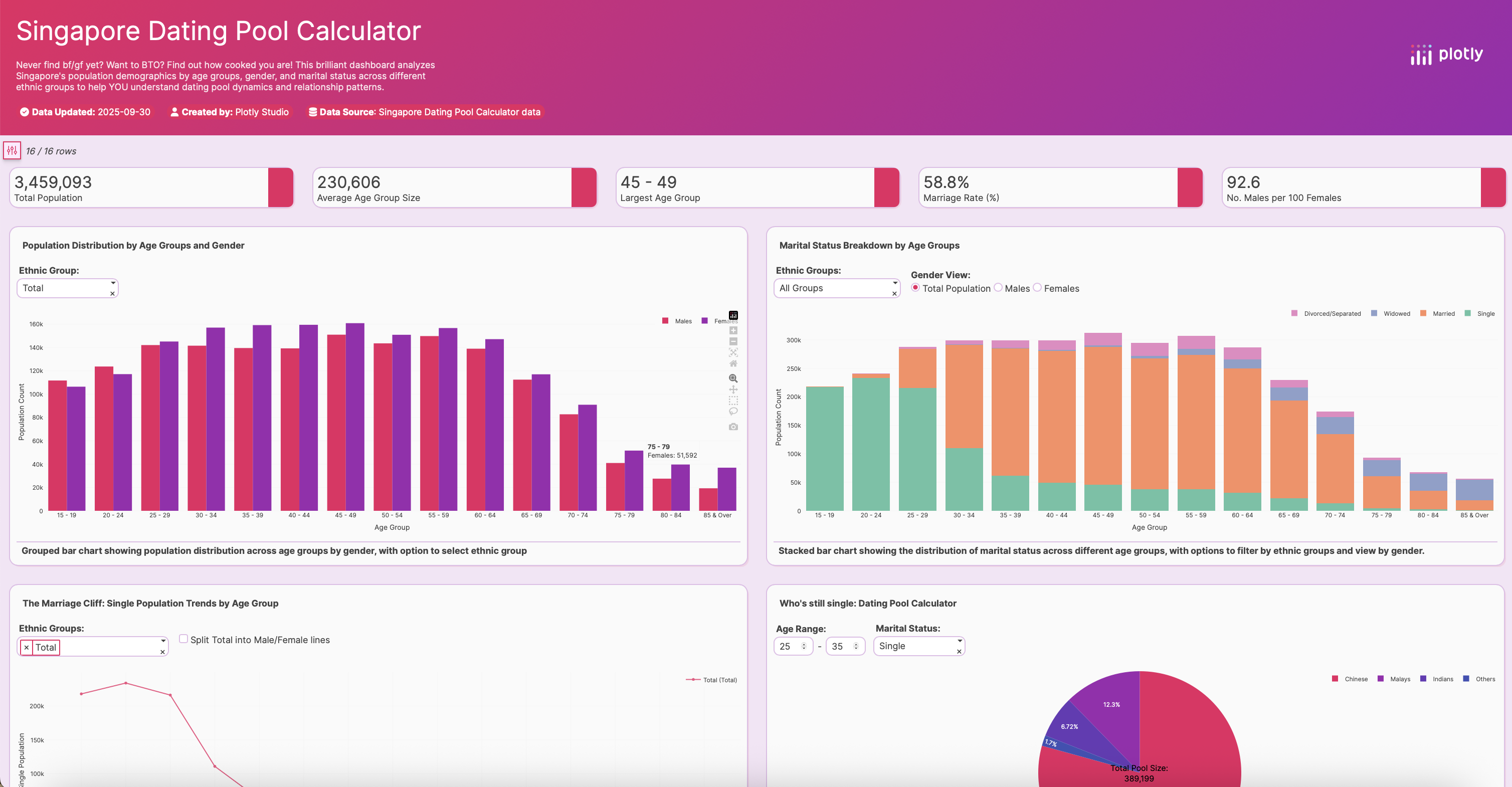
At first glance, the metaphor is intuitive: fewer eligible singles equal fewer chances at love and connection. The “dating pool” conjures an image of a fluid space where potential partners swim freely, only to be caught or missed by hopeful suitors. But this image obfuscates a more complex reality. The pool, as it turns out, is vast. Global connectivity, social media, and progressive values have expanded social circles beyond geographical and cultural confines. So why does the myth persist?
This myth of scarcity thrives on cognitive bias—our tendency to notice failures over opportunities. Each frustrating swipe, each missed connection, is magnified to catastrophic proportions. The pool feels shallower because many are no longer willing to dip their toes in the same waters. The pool is fine; the landscape of desire has transformed.
Raising Standards: A Natural Response or Societal Pressure?
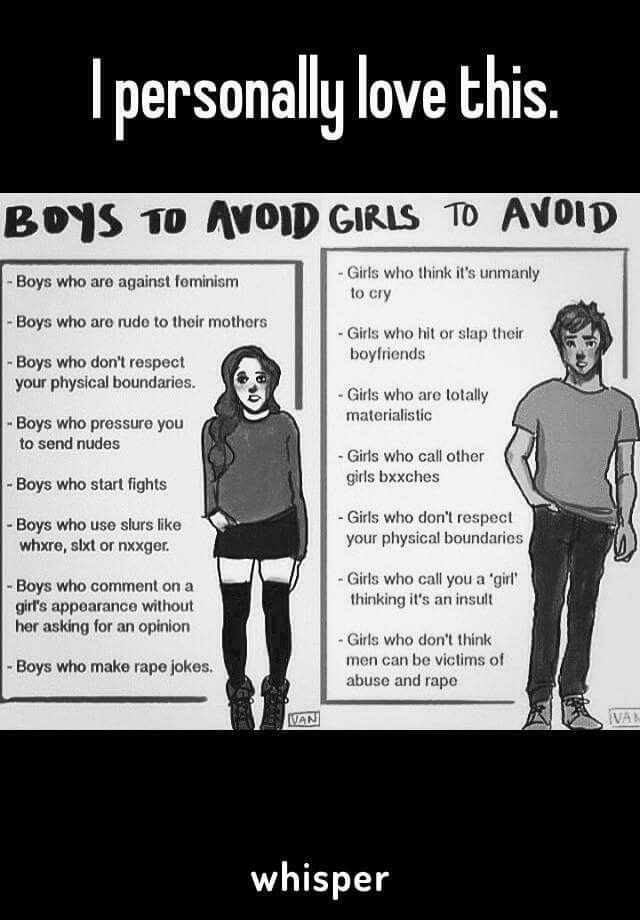
What does it mean to raise standards? The phrase often carries pejorative connotations—elitism, over-expectation, or superficiality. Yet, unpacking this reveals a layered interplay of individual empowerment and collective cultural shifts. Modern daters demand more than physical attraction; emotional intelligence, shared values, mental health awareness, and ambitions have surged as pivotal criteria. This re-calibration is far from capricious vanity; it is a profound assertion of self-worth and an insistence on meaningful compatibility.
Women’s empowerment movements underscore this shift. No longer confined by patriarchal imperatives to marry for security, more individuals claim autonomy over whom to love and how. Expectations rise in tandem with the acknowledgment of one’s own value. However, this evolution is double-edged—the pressure to meet these standards can paradoxically alienate as much as it liberates.
The Paradox of Choice and Emotional Exhaustion
The digital revolution brought with it Tinderized abundance—limitless profiles at one’s fingertips, endless options, infinite possibilities. Yet, this paradox of choice often culminates in decision paralysis and emotional exhaustion. The dating pool might be brimming, but the sheer volume can dilute desire and diminish satisfaction. When standards rise in a landscape saturated with options, the unconscious calculus shifts from seeking connection to scouting perfection.
This exhaustive pursuit triggers a vicious cycle: the more standards climb, the more potential partners are discarded, reinforcing the myth of scarcity. Engagement becomes transactional and performative; yet the heart longs for authenticity. The frenzy of putting others to the test erodes the patience necessary for vulnerability, creating an ironic scarcity of genuine connection amid abundance.

Cultural Narratives and the Myth’s Roots
Our fascination with the dating pool myth is tethered deeply to cultural storytelling. Films, literature, and social media amplify the anxiety that suitable partners are rare gems to be hunted and won, not companions to grow alongside. This narrative, steeped in competition and scarcity, feeds the illusion that the pool is drying as a function of external deficiency rather than internal transformation.
Moreover, the commodification of romance through dating apps and the influencer culture’s relentless showcasing of “relationship goals” perpetuate unrealistic ideals. These narratives prime individuals to view love as a pinnacle achievement, a marker of personal success, rather than a complex, ongoing process. Thus, the raising of standards is both a response to and a product of this hyper-visible emotional economy.
The Empowerment Paradox: Freedom Versus Loneliness
As standards rise, so too does the capacity for choice—yet this freedom brings its own vulnerabilities. The dating pool, while abundant, demands that we navigate it with an increasingly discerning eye. The empowerment in self-selection often masks the loneliness born from perpetual evaluation and self-protection. Fear of settling clashes with fear of missing out, as the psyche teeters between craving intimacy and guarding autonomy fiercely.
What emerges is an existential question about desire and human connection: Are we, as modern daters, swimming in endless waters yet unable or unwilling to dive deep? The myth of a shrinking pool thus resembles a defense mechanism, reframing the pain of disconnection as a failure of the environment rather than an internal reckoning with discomfort.
Reimagining the Pool: Toward Radical Acceptance and Authenticity
To dismantle the dating pool myth, it requires more than lamenting external conditions. It begs a cultural shift toward radical acceptance—of oneself, of others, and of the imperfect nature of human relationships. Standards should serve as guideposts, not gatekeepers. Authentic connection demands vulnerability in the face of ambiguity, courage amidst imperfection.
Reframing the narrative to acknowledge the pool’s richness, rather than bemoaning scarcity, unlocks potential for transformative intimacy. It calls for embracing complexity and resisting commodification. This reimagined pool is neither shallow nor desolate; it is a wild, dynamic ecosystem alive with possibility for those willing to navigate its depths with patience, presence, and honest desire.
Conclusion: The Pool Endures, But We Must Swim Differently
The enduring myth of a shrinking dating pool masks a far more riveting truth: desire evolves as standards rise and society progresses. The pool is not the problem. The true challenge lies in the introspective work of reconciling elevated expectations with the wild, unpredictable nature of human connection. Recognizing this myth allows for a reclaiming of agency—not by lamenting scarcity, but by cultivating empathy, authenticity, and courage.
Love is no longer about casting a wide net indiscriminately but about diving deep, navigating the turbulent waters with intention and resilience. The dating pool is vast and vibrant—perhaps it is time we understand that the currents have changed, and only our approach must change with them.







Leave a Comment