Why do we so often hear that the gender gap in STEM fields boils down to “lack of interest” among women? Could it be that the true obstacle isn’t disinterest at all, but rather a calculated and systemic exclusion? Let’s challenge this tired narrative together and peel back the layers of a complex and persistent issue that refuses to dissolve despite decades of well-meaning initiatives.
Questioning the “Interest” Myth
At first glance, it’s tempting to accept the explanation that women simply aren’t as drawn to science, technology, engineering, and mathematics. Yet, this simplistic axiom crumbles under scrutiny. If we dive deeper, what emerges is a landscape littered with barriers, biases, and cultural programming that subtly dissuade women from pursuing STEM passions. Interest is malleable; it blossoms in environments where encouragement thrives and withers where exclusion reigns. The suggestion that women are inherently less interested ignores the vast variations across cultures, time periods, and individual stories — signaling that something more insidious is at play, a structural disconnect rather than an individual deficiency.
The Cloak of Gatekeeping: Inclusion as the Hidden Battleground
STEM is often romanticized as a meritocratic bastion where pure intellect reigns supreme, but reality paints a different picture. The invisible walls and narrow gates of inclusion have long barricaded women from fully occupying these fields. From hostile workplace microaggressions and paternalistic corporate cultures to biased hiring practices, the exclusion is omnipresent. Women are not just fewer in number; many who enter face an ongoing battle to be recognized as equals. Understanding the gender gap means unmasking these embedded deterrents and recognizing that interest alone cannot breach barriers when the institution itself is unwelcoming.
Educational Pipelines: Leaky and Unequal
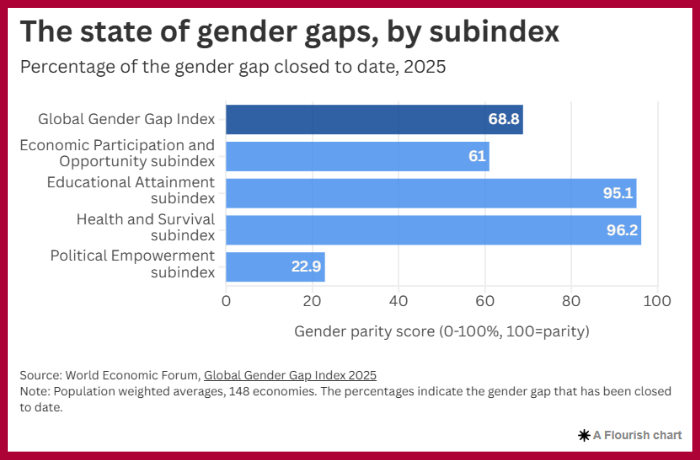
From early education onward, girls receive mixed messages about their place in STEM. Though many show remarkable aptitude and enthusiasm, subtle discouragement—whether through gendered stereotypes in textbooks, differential teacher expectations, or lack of mentors—derails potential. By the time they graduate, the pipeline meant to funnel talent into STEM careers is fraught with leaks disproportionately affecting women. It’s not just a matter of dropping interest; it’s a matter of systemic attrition fueled by exclusionary climates, insufficient role models, and curricula that fail to nurture diverse talents.
Workplace Realities: The Perpetual Glass Ceiling and Pay Gap
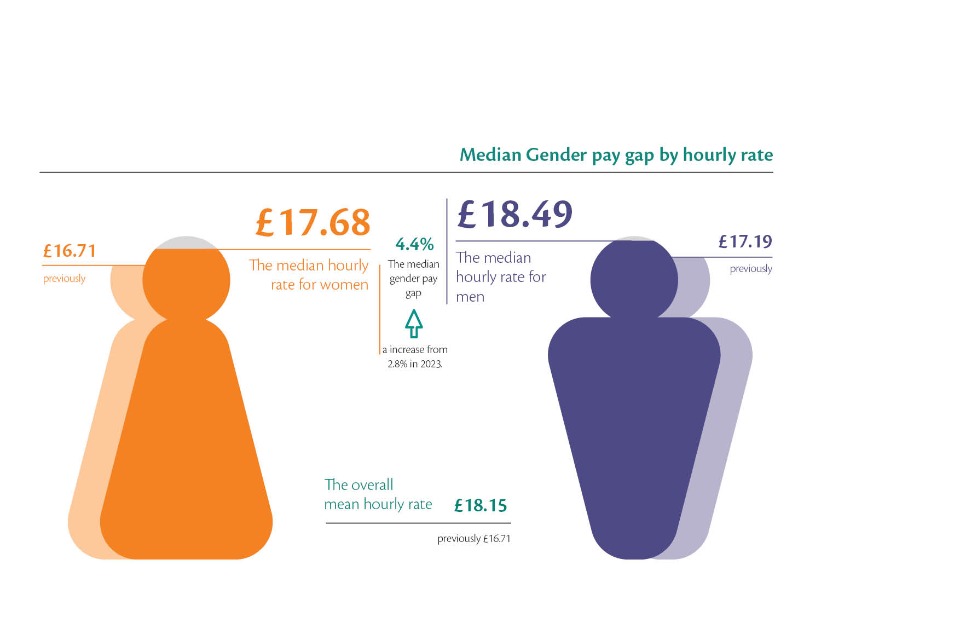
Even for women who triumphantly navigate the educational labyrinth, the professional realm introduces a fresh array of challenges. The “glass ceiling” isn’t a myth—it’s a tangible barrier reinforced time and again by gendered stereotypes, networking exclusion, and often subtle undermining. The wage disparity remains stubborn, reinforcing the notion that a woman’s contributions in STEM are somehow less valuable. Unequal access to high-impact projects and authoritative roles poises her as an afterthought in innovation and leadership. Inclusion isn’t just about entry; it’s about equitable participation and recognition.
The Culture of STEM: Breaking Norms Beyond Numbers
Culture within STEM fields often elevates competitiveness and conformity over collaboration and diversity of thought, alienating those who don’t fit the narrow mold of the “ideal” scientist or engineer. This culture often valorizes a hyper-masculine identity, perpetuating not just exclusion, but active erasure of women’s presence. Transforming STEM means reimagining its very ethos—creating spaces where diverse experiences and approaches are cherished as catalysts for creativity and advancement. It’s about deconstructing outdated archetypes and building inclusive narratives that invite everyone to contribute without compromising authenticity.
Intersectionality: Not All Women Experience STEM Equally
The gender gap is often discussed with a homogenizing brush, but the experiences of women in STEM are far from uniform. Race, socioeconomic background, disability, and other identities intersect to multiply the complexity of exclusion. Women of color, for instance, face compounded biases that make inclusion even more elusive. Addressing the gap requires a holistic framework that recognizes these overlapping forms of marginalization and crafts tailored solutions that don’t just fit the majority but embrace the multitude.
The Promise of Inclusive Innovation
Inclusion is not a zero-sum game—it’s an expansive strategy that enriches STEM itself. Diverse teams have repeatedly shown superior problem-solving abilities and creative output, proving that inclusion catalyzes innovation. Challenging the “lack of interest” trope reshuffles the deck, pushing stakeholders to invest in systemic change. When entry barriers fall and climates become welcoming, interest flourishes naturally. It’s time to shift the question from “why aren’t there more women?” to “what prevents them from thriving?” Inclusion is the key that unlocks this puzzle.

Moving Forward: Actions Beyond Awareness
Awareness of exclusion is a start but it’s inertia without action. Real change demands policies that enforce equity: transparent recruitment, equitable pay, mentorship, family-friendly workplaces, and zero tolerance for harassment. It also requires amplifying women’s voices in leadership, funding initiatives addressing intersectional disparities, and actively challenging cultural stereotypes at every level. The narrative must shift from passivity—where women are seen as lacking interest—to activism—where systemic transformation is non-negotiable.
The gender gap in STEM isn’t a trivial bug to be patched with generic interest campaigns. It’s an entrenched dilemma rooted in exclusion by design. Unraveling this knot requires bold interrogation, fierce advocacy, and an unwavering commitment to creating a future where STEM fields belong to all, and not just a privileged few. It’s not ‘lack of interest.’ It’s the glaring absence of genuine inclusion.








Leave a Comment