
The mental load — that invisible ledger of responsibilities, unspoken demands, and relentless anticipations — has long been dismissed as mere “multitasking,” often relegated to the domestic sphere, typically shouldered without recognition. But what if this persistent cognitive burden is not just a matter of busy schedules or poor time management? What if it is, in fact, a coded trauma response etched deep within our nervous systems? This is not an abstract theory but a seismic reinterpretation of the mental load itself, inviting us to confront the often-overlooked psychological and emotional undercurrents embedded in everyday life. From the intricate nuances of trauma symptom checklists to the painstaking navigation of emotional dissociation and the colorful recognition of trauma responses, the mental load checklist is anything but trivial. It is a map — a dangerous, illuminating guide through the labyrinth of survival and resilience.
Unpacking the Mental Load: More Than Just Tasks
The mental load is frequently reduced to a catalog of chores, errands, and reminders—grocery lists, appointment calendars, emotional caretaking. Yet, this reductive framing obscures the profound psychological anatomy lurking beneath. The mental load operates like an insidious trauma checklist, constantly scanning for threats—real or perceived—that the brain has learned to anticipate. This hypervigilance compels the mind to remain on high alert, organizing, strategizing, and prioritizing not just practical matters but also emotional minefields that could erupt without warning.


When seen through the trauma lens, the mental load echoes the persistent tension of post-traumatic stress—not only in those with traditional PTSD diagnoses but in anyone navigating systemic neglect, emotional labor, or interpersonal power imbalances. The relentless mental bookkeeping is less about efficiency and more about survival strategy, a cognitive scaffold fashioned in the aftermath of psychological injury.
The Trauma Checklist Embedded in Daily Life
Trauma symptoms manifest in multifaceted ways and are often cataloged systematically to help survivors and clinicians recognize patterns of distress. What if these lists, often relegated to clinical contexts, are more intimately relevant to the mental load many carry daily? This trauma checklist includes hyperarousal symptoms such as irritability and difficulty concentrating, dissociative reactions like emotional numbing or detachment, and intrusive recollections that sabotage cognitive bandwidth.
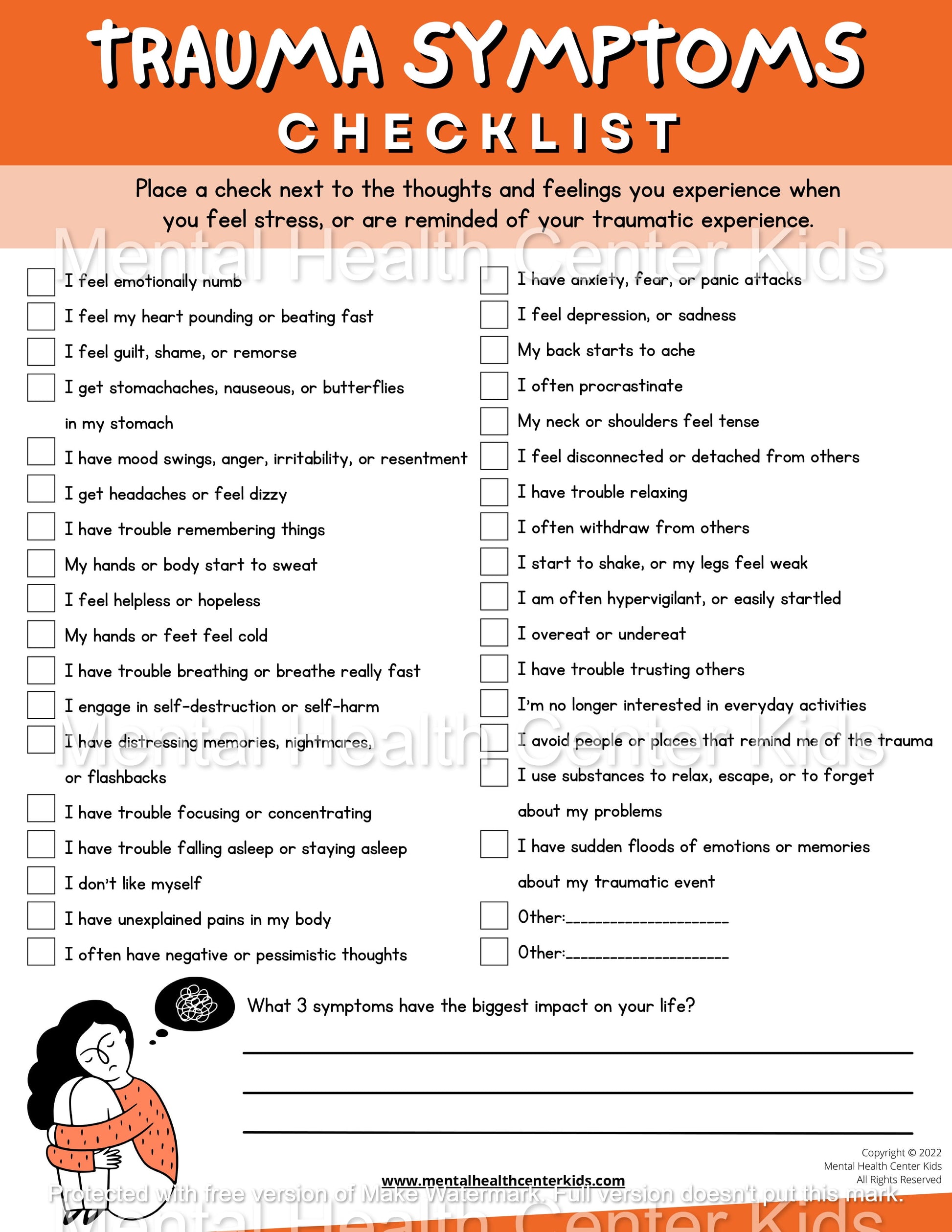
Each unchecked item on this emotional tally compounds the mental fatigue, burdening individuals with unremitting vigilance and strained coping mechanisms. The invisible tally marked by trauma manifests itself not only in isolated moments of crisis but in the daily humdrum of managing relationships, work, and home environments. The mental load is thus a convergence point where trauma meets routine, the extraordinary bleeding into the ordinary.
Emotional Dissociation: A Defensive Outpost in the Mental Load Battle
Dissociation is often misunderstood as mere forgetfulness or emotional withdrawal, but it is a sophisticated mind-state that functions as a defensive fortress. For many carrying an overwhelming mental load, dissociation is the psychic armor that creates necessary distance from unbearable emotional demands. When the mental checklist overwhelms, the brain auto-pilots into a state that dulls sensation and conception — a survival modus operandi rooted in trauma’s enduring imprint.
This dissociative tendency is not simply escapism, but rather an adaptive response, fragility disguised as strength. It allows the individual to compartmentalize chaos and maintain functionality. Yet this coping strategy comes with a price: fragmented self-awareness, difficulty staying present, and the potential for disjointed emotional processing that deepens the sense of isolation under the weight of the mental load.
Coloring Trauma: The Role of Creative Expression in Recognizing Mental Overload
Healing and awareness often demand more than checklists and clinical labels. Enter the trauma response checklist presented through vibrant, vivid imagery — a colorful worksheet that invites engagement beyond cognitive overload into emotional insight. Such artistic approaches validate the lived experience of trauma while breaking through the numbing tendencies of dissociation.
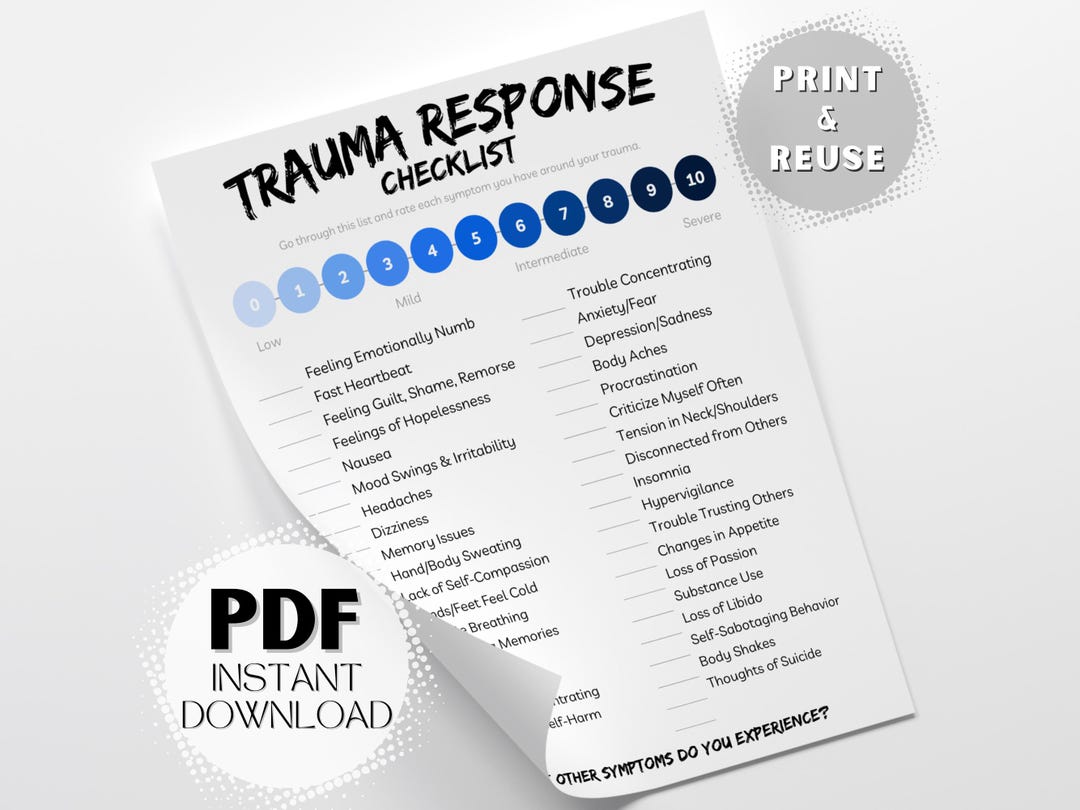
By harnessing color and form, this method provides an accessible language for articulating feelings too complex for words alone. It disrupts the monotonous repetition of mental tasks and introduces a tactile, affective experience that reorients attention and deepens healing. This innovation illustrates how the mental load, when decoded through trauma-informed frameworks, can inspire more compassionate self-recognition and invite radical change.
The Intersection of Trauma, Gender, and the Invisible Labor of Mental Load
It would be intellectually dishonest to ignore the gendered realities woven through the mental load. Feminist analysis unmasks how care work, emotional regulation, and household management disproportionately fall on women and marginalized genders, who then absorb not only the physical tasks but also the emotional repercussions of trauma-triggered vigilance. The mental load checklist thus becomes a patriarchal instrument of control — a mechanism that invisibly shackles bodies and minds under the guise of responsibility.
Understanding the mental load as a trauma response exposes the systemic neglect of emotional labor, challenging society to reassess how value and accountability are distributed. It demands justice for those who carry both historical and interpersonal wounds while managing invisible checklists that never truly end.
Beyond Awareness: Toward Liberation from the Trauma-Infused Mental Load
Recognition is the first act of rebellion. Seeing the mental load for what it truly is — a trauma response, a survival strategy, and an imposed burden — opens the door to radical possibilities for healing and redistribution. Strategies emerge that prioritize boundaries, collective care, and structural transformation. By dismantling the invisible hierarchies of responsibility and acknowledging the emotional debts accrued, individuals and communities can begin to rewrite their mental checklists.
This transformation is neither facile nor immediate. It requires embracing discomfort, dismantling longstanding norms, and cultivating spaces where vulnerability intersects with accountability. Only through this crucible can the mental load be reshaped from an oppressive checklist into a manifesto for self-care and shared humanity.











Leave a Comment