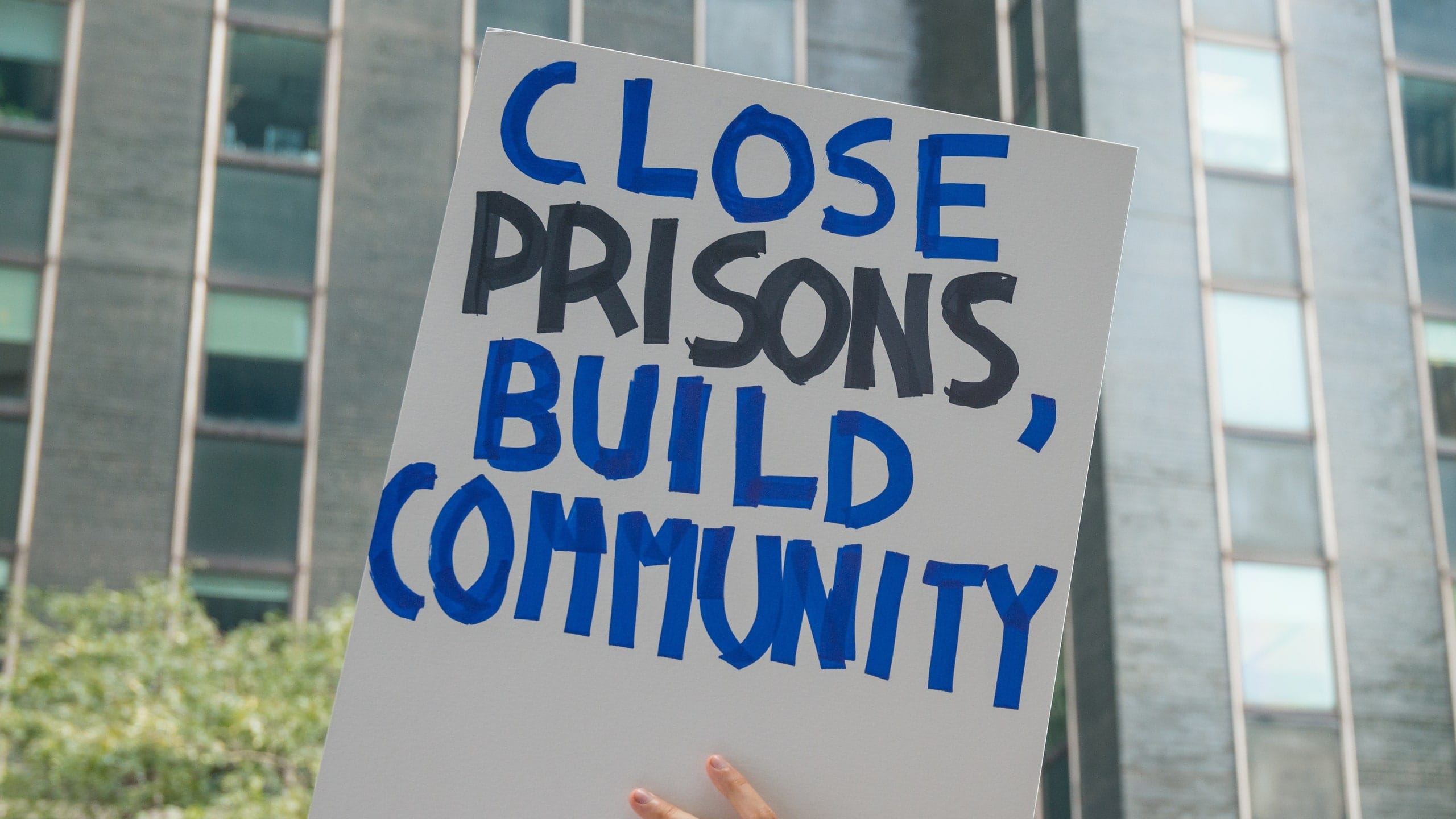
What if dismantling the prison-industrial complex wasn’t just a matter of policy or law—but a radical feminist act? Could the roots of prison abolition be found not only in the calls for justice, but in the persistent struggles of women who have long battled systems of control, surveillance, and intersectional oppression? The prison abolition movement isn’t merely a sterile critique of mass incarceration; it is a daring feminist insurgency challenging the very frameworks that imprison bodies, minds, and communities. Let’s unravel these feminist threads and confront the complexities embedded in this powerful movement.
Feminism and Abolition: An Uneasy Tango
At first glance, feminism and prison abolition may seem like disparate struggles. Feminism, traditionally concerned with gender equity and dismantling patriarchy, often vies for center stage in the social justice arena. Prison abolition, meanwhile, grapples with the sprawling mechanisms of state violence and punitive control. But their convergence reveals a profound synergy. Feminists—especially femme activists and queer women of color—have long contended with how carceral logic enmeshes with gendered violence. Prisons do not merely incarcerate bodies; they enforce rigid binaries and hierarchies that feminism seeks to dismantle. This entanglement challenges activists to reimagine freedom beyond the confines of criminalization.
Could it be that the feminist insistence on bodily autonomy inherently demands the dismantling of prisons? After all, how can one claim freedom over one’s body when cages—both literal and figurative—surround millions, disproportionately women and gender-nonconforming people of color?
The Historical Maternalism of Prison Reform: What Feminism Rejects
Before abolitionism became a clarion call, feminism’s engagement with incarceration often manifested as maternalistic reform efforts. White middle-class women in the 19th and early 20th centuries championed “humane” prison reforms, aspiring to soften the brutalities experienced by incarcerated women but rarely challenging the carceral system itself. These reformers often perpetuated racialized and classist dichotomies—who deserved mercy, and who did not—upholding the very structures that imprisonment depends upon.
This reformist maternalism reveals the inherent limitations in certain feminist strategies that fail to challenge systemic oppression in its entirety. Reforms, however well-intentioned, often bolster policing and surveillance under the guise of protection. Prison abolitionists, in contrast, confront the violent roots of imprisonment itself rather than merely dressing its wounds.
Intersectionality: The Heartbeat of Abolition Feminism
Emerging from the crucibles of Black, Indigenous, and queer feminist thought, abolition feminism today is inseparable from the analytic lens of intersectionality. Interlocking systems of racism, sexism, classism, and ableism compound the violences faced by incarcerated and formerly incarcerated individuals.
Feminist abolitionists recognize that prisons do not simply contain “criminals”—they imprison histories and legacies of racial terror, misogyny, and state abandonment. The disproportionate incarceration of Black and Indigenous women, the criminalization of survival sex work, and the invisibilization of LGBTQ+ prisoners expose the intersectional coffers of punishment. Through these prisms, abolition feminism becomes a manifesto for liberation that transcends gender alone.
Carceral Feminism: A Perilous Pitfall
What happens when feminism aligns itself with the very system it seeks to critique? This question is at the core of criticism directed toward carceral feminism—a troubling trend championing harsher punishments and increased policing as solutions to gendered violence.
Carceral feminism’s faith in prisons as protective spaces neglects that these institutions themselves inflict gendered violence—through sexual abuse, isolation, and systemic neglect. It’s a paradox that has led incarceration rates of women, particularly women of color, to skyrocket under policies framed as “tough on crime.” Feminist abolitionism challenges this logic explicitly. It asks: how can safety be cultivated in spaces built on control and confinement? This challenge demands a reorienting of feminist goals away from punishment and toward transformative justice.
Transformative Justice: Feminism’s Radical Proposal
Abolition feminism’s promise lies in its insistence on transformation rather than retribution. Transformative justice proposes methods of accountability that resist carceral violence, centering community healing, empathy, and the repair of harm without reliance on prisons or policing. This vision draws heavily from feminist ethics of care and relationality.
By embracing vulnerability and interconnectedness, transformative justice destabilizes dominant paradigms of power. It refuses to treat harm as isolated or solely individual, instead situating it within a broader matrix of systemic oppression. Feminist abolitionism asks us to imagine a future where love and accountability coexist—without bars or cages.
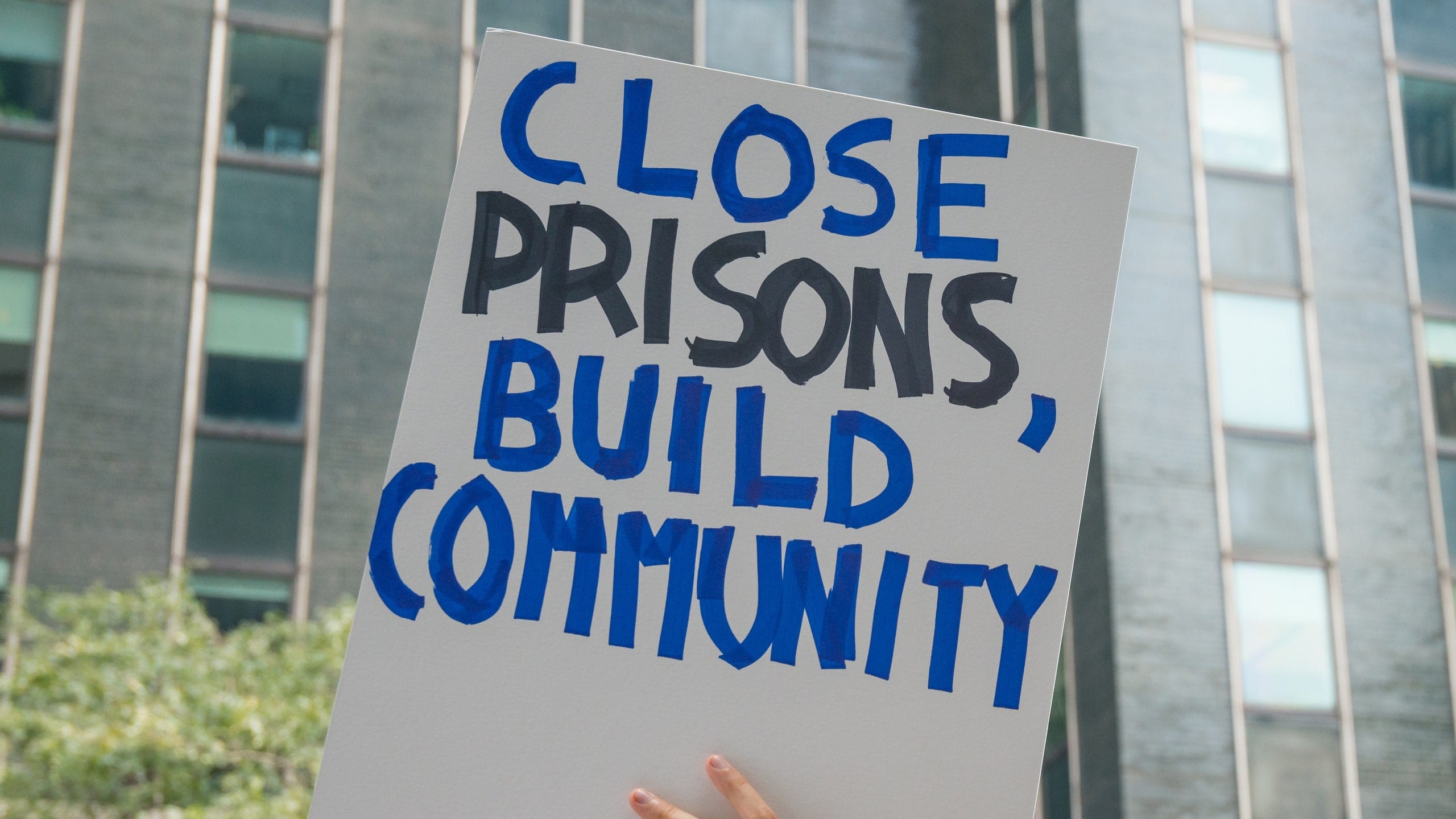
The Gendered Carcerality of the Prison-Industrial Complex
Prisons are often imagined as male-dominated spaces, yet they enclose a rapidly growing population of women and gender-expansive people. This surge reveals the gendered dimensions of carcerality: incarceration is a tool that punishes survival strategies for poverty, addiction, domestic violence, and systemic neglect—situations frequently endured by women outside the prison walls.
Violence inside prisons disproportionately affects incarcerated women, who face sexual abuse, medical neglect, and family separation. Feminist abolitionists call attention to the ways prisons reproduce patriarchal violence rather than ameliorate it, highlighting the urgent need to dismantle not just prison walls, but the social logics that necessitate them.

Black Feminist Thought: The Intellectual Wellspring
Black feminists have been at the vanguard of abolitionist theory and praxis for decades. Scholars and activists such as Angela Davis, Mariame Kaba, and Ruth Wilson Gilmore have illuminated how prisons function as racialized instruments of control. Their work critiques liberal penal reform and imagines abolition as a revolutionary feminist project.
Black feminist thought refuses silently accepting state violence against Black and Brown women. Instead, it demands a radical dismantling of economic, racial, and gender oppression. This tradition situates abolition not as elimination of prisons exclusively but as the forging of collective liberation.
A Feminist Challenge: Can We Conceive Freedom Without Cages?
Here lies the playful conundrum at abolition feminism’s core: can one truly envision a world where accountability exists without incarceration? Can feminism embody a radical reshaping of justice that both protects survivors and frees the oppressed from the carceral apparatus?
To answer this requires courage—to confront the seductive simplicity of punitive justice and embrace the grueling work of community-building, healing, and radical imagination. It asks activists to unlearn ingrained notions of safety and power, and instead craft spaces where freedom is expansive, deeply intersectional, and unshackled by systemic violence.
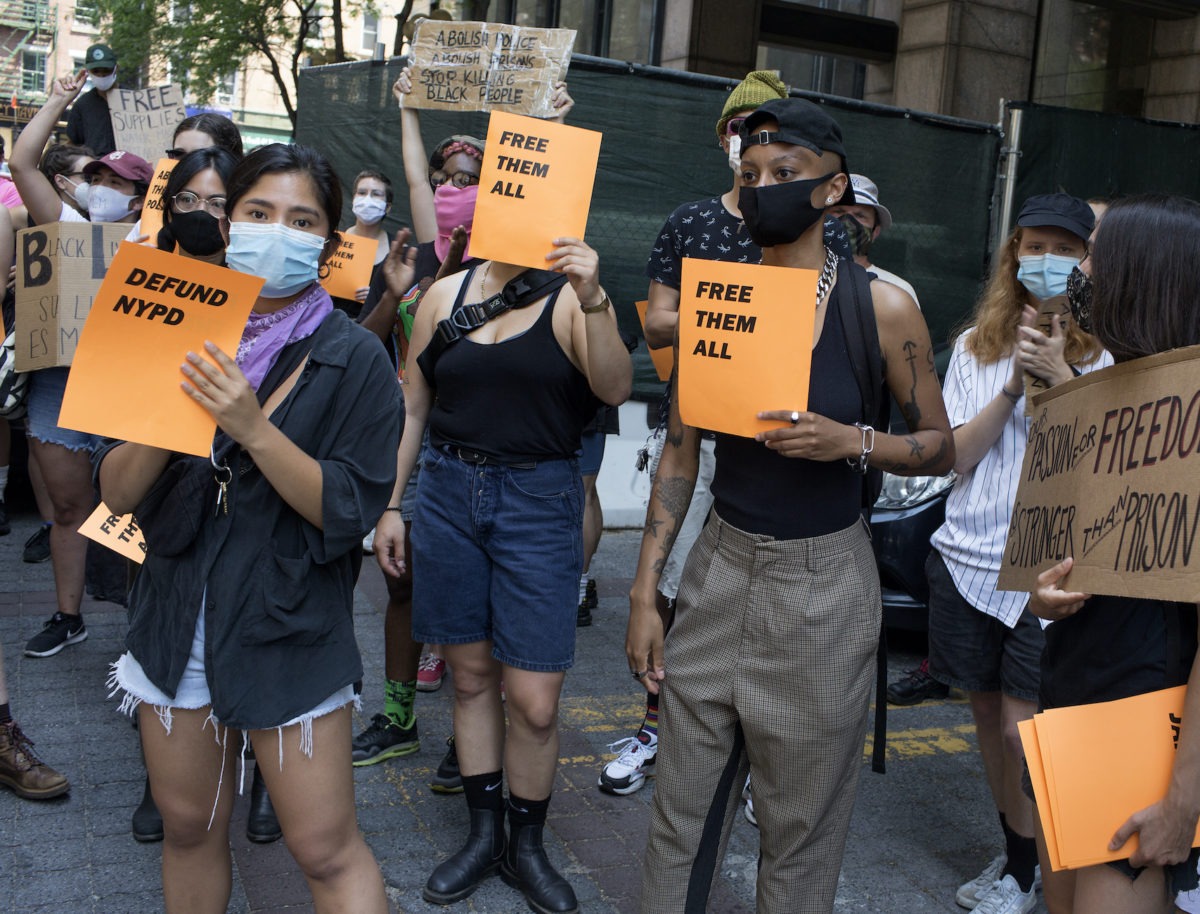
The feminist roots of the prison abolition movement reveal a vibrant, complex terrain of ideas and practices that challenge the status quo. They force us to dream wildly and demand rigorously: what would a world without prisons—and without the gendered violence they codify—look like? What societal transformations must occur to make that world possible? These questions are not only urgent—they are necessary, provocative, and ultimately feminist in their defiance of containment.










Leave a Comment