In a society that glorifies fairy-tale romances and eternal love, the idea of asking for a prenuptial agreement can be perceived as an act of cynicism, or worse, a betrayal of love’s sanctity. Yet, behind the veil of accusations calling her “unromantic” lies a profound narrative about autonomy, foresight, and the entrenched gendered expectations that govern relationships. The woman who asks for a prenup is not merely negotiating terms; she is challenging societal norms crafted in the shadows of patriarchy and economic dependency.
The Stigma of the Prenuptial Agreement
Historically, marriage has been cloaked in ideals far removed from practicality—romantic love, sacrifice, and unquestioned trust dominate the discourse. To suggest legal safeguards prior to matrimony smacks to many of mistrust and doom. Yet, the stigma attached to prenuptial agreements is not just about love or distrust; it is deeply entwined with cultural notions of femininity and the social scripts that dictate how women should behave within a relationship.
She who requests a prenup is castigated not because she is paranoid, but because her demand threatens the myth that love should be blind to economic realities, that romance is above any contract. This stigma reveals a pervasive discomfort with women who assert their rights and recognize the precariousness of financial vulnerability in marriage. Rather than being hailed as prudent and empowered, she is derided as cold and calculating—unromantic by default.
Economic Realities Behind the Veil of Romance
Underneath every relationship lies a lattice of financial considerations. The idea that love conquers all is a potent but dangerously naive narrative used to obscure how deeply economics influence the dynamics of partnership. For many women, the prenup is a shield against the systemic inequalities embedded in marriage—a legal tool to safeguard their independence in a system that often sidelines their economic contributions.
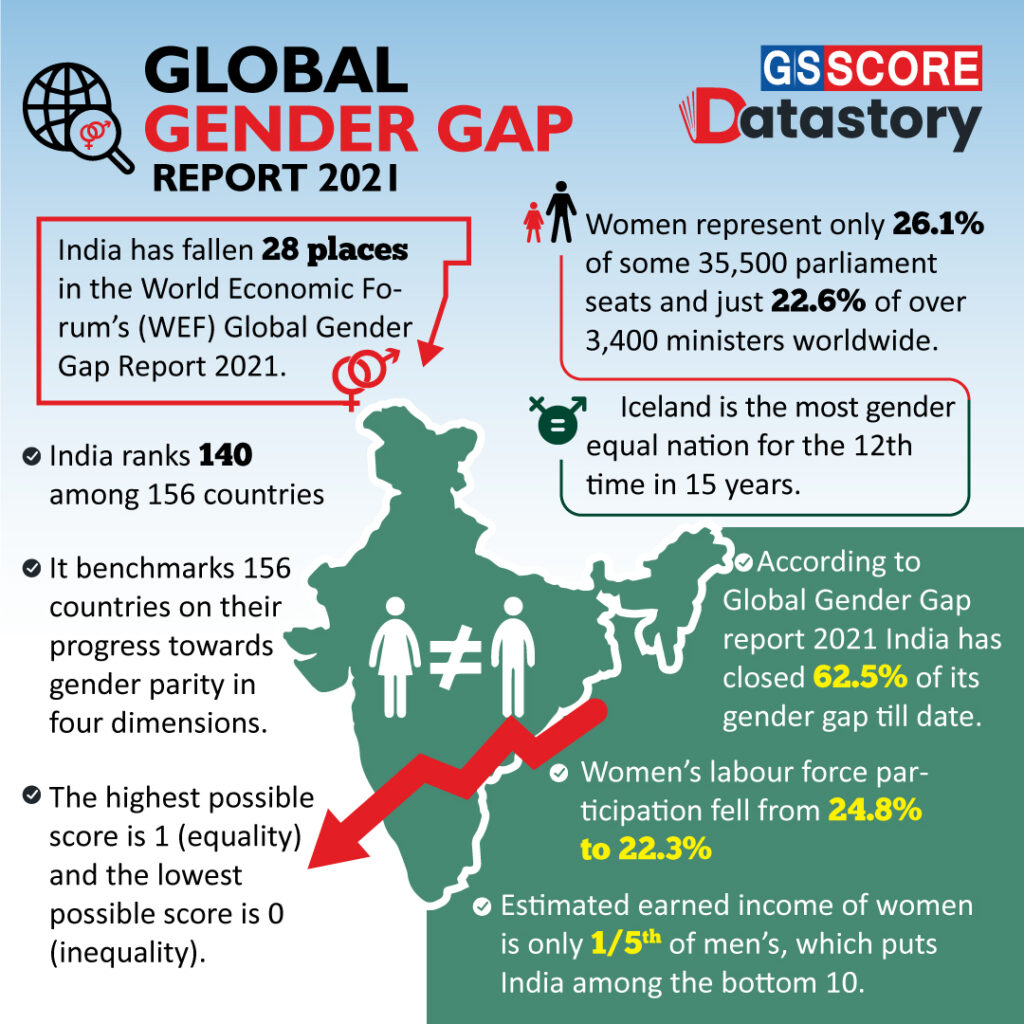
Women disproportionately face financial setbacks due to caregiving responsibilities, unequal pay, and disrupted careers—factors that a prenup seeks to acknowledge and mitigate. Her “unromantic” request, therefore, is a lucid recognition of systemic disparity, an act of resistance against romantic idealism that often requires women to surrender financial autonomy under the guise of love.

Gendered Expectations and Emotional Policing
When a woman asks for a prenup, she is often subjected to emotional scrutiny framed as a question of character rather than legitimate concern. This reaction exposes a glaring double standard: men asserting financial protection are lauded as responsible, while women doing the same are shamed and labeled as unfeeling or “unromantic.”
This emotional policing enforces outdated gender roles—where women are expected to be trusting, nurturing, and self-sacrificing. The moment a woman steps outside this narrow script, she is punished socially and emotionally. In essence, the criticism she endures is not just about the prenup; it is about controlling her agency, her voice, and her right to define what love and security mean on her own terms.
A Deeper Fascination: Why the Outrage?
The visceral reaction to a woman’s request for a prenup might initially seem excessive, but it points to a deeper cultural unease. This transaction challenges the romantic narrative that marriage is purely an emotional contract. There is something distinctly unsettling about acknowledging the interplay of love and law, affection and finance.
At its core, the fascination is about a confrontation with reality—the insistence that love should operate without safeguards is a collective denial of vulnerability and inequality. The outrage serves as a defense mechanism to preserve this comforting illusion, revealing society’s reluctance to grapple with complexities beyond surface-level romanticism.
Redefining Romance: Autonomy as an Act of Love
The paradigm needs a shift. Romance should not be measured by emotional gestures alone but by the respect for autonomy and the safeguarding of futures. The request for a prenup is in fact an expression of self-love and care, a desire to enter marriage as an equal partner with clear eyes and mutual respect.
True romance means valuing each person’s worth, including their financial independence and right to protection. When she asks for a prenup, she is not denying love; she is affirming it on the terms of equality and honesty, challenging the system that often forces women to choose between love and security.
Conclusion: Embracing Complexity in Modern Relationships
The narrative that labels women as unromantic for requesting prenups is not an indictment of their character but a reflection of society’s refusal to evolve. To navigate contemporary partnerships, there must be an embrace of complexity, an acknowledgment that love is entwined with legalities and financial realities.
She who insists on a prenup embodies courage and foresight. Her story challenges us to dismantle myths that perpetuate vulnerability and to construct new narratives where love and pragmatism coexist. The future of romance demands nothing less than this bold reimagining.







Leave a Comment