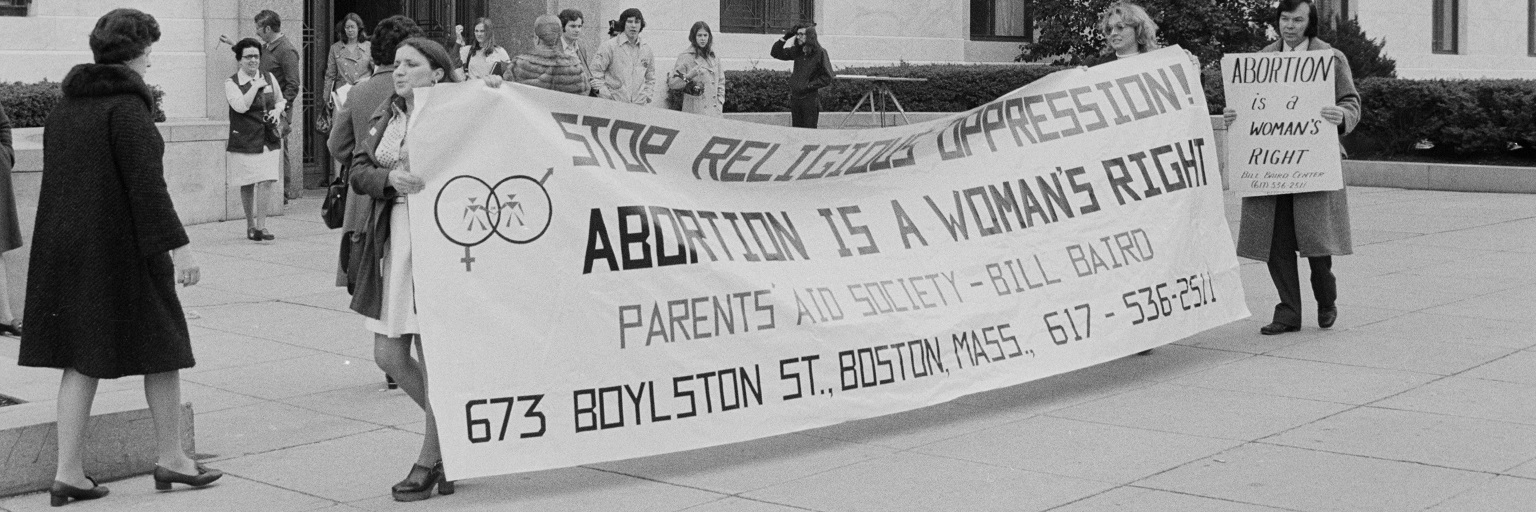
Across the United States, the landscape of reproductive rights is no longer a patchwork—it’s a battleground. What was once a relatively uniform framework of constitutional protections has splintered into a fractured mosaic of state-level policies, where access to abortion, contraception, and maternal healthcare now hinges on geography as much as it does on bodily autonomy. This is not merely a political divergence; it is a full-throated assault on the bodily sovereignty of millions of people who can become pregnant. The map of reproductive rights in America is no longer defined by red and blue states, but by zones of liberation and zones of oppression. This is the Reproductive Rights Rollback Map—a stark, ever-shifting terrain where the right to choose is increasingly contingent on where you live, how much you earn, and whether your state’s legislature has been hijacked by theocratic zealots.
The Great Divide: Where Choice Is a Privilege, Not a Right
Imagine a country where the ability to make decisions about your own body is not a fundamental right, but a conditional privilege—granted only in certain states, under certain circumstances, and often with punitive strings attached. This is the reality for millions of Americans in 2024. The Reproductive Rights Rollback Map reveals a nation cleaved in two: on one side, states where abortion remains accessible, where clinics operate without the shadow of legal harassment, and where comprehensive sex education is not a political football but a public health priority. On the other, a growing constellation of states where trigger laws, six-week bans, and total abortion prohibitions have turned pregnancy into a state-mandated condition for those who cannot flee.
In these restrictive zones, the concept of “choice” has been hollowed out. It is no longer about personal agency; it is about survival. Women, trans men, nonbinary people, and others who can become pregnant are forced into a calculus of risk: travel hundreds of miles for care, seek clandestine abortions, or carry an unwanted pregnancy to term. The emotional and financial toll is incalculable. States like Texas, Alabama, and Missouri have weaponized their laws, not just to ban abortion, but to criminalize it—to turn doctors into felons, to turn friends into informants, and to turn pregnancy into a form of state surveillance.

The Financial Burden: Poverty as a Barrier to Bodily Autonomy
Reproductive rights are not just about legality—they are about economics. The Rollback Map exposes a cruel irony: the states with the most draconian abortion bans are often the poorest, where systemic inequities already stack the deck against marginalized communities. In Mississippi, where abortion is banned with no exceptions for rape or incest, the average annual income hovers below the national poverty line. In Louisiana, where clinics have shuttered under the weight of TRAP laws, Black women already face maternal mortality rates three times higher than white women. The financial barrier to accessing abortion care in restrictive states is not incidental—it is intentional.
For those who can scrape together the funds, the costs are staggering. A medication abortion in a restrictive state may require multiple clinic visits, travel expenses, and lost wages. A procedural abortion may require crossing state lines, paying for lodging, and navigating a labyrinth of legal loopholes. The Hyde Amendment, which bans federal funding for abortion, ensures that even those with insurance are often left to foot the bill themselves. This is not reproductive justice—it is reproductive extortion. The Rollback Map is not just a geographic divide; it is a class divide, where the wealthy can buy their way out of oppression, and the poor are left to suffer the consequences.
The Criminalization of Pregnancy: When the State Becomes the Womb
The most chilling development on the Reproductive Rights Rollback Map is the criminalization of pregnancy itself. In states like Oklahoma and Tennessee, laws have been weaponized to prosecute people for miscarriages, stillbirths, and self-induced abortions. Prosecutors have charged women with “feticide” for using drugs during pregnancy, while others have been jailed for seeking emergency care after a miscarriage. This is not a fringe phenomenon—it is a coordinated strategy to turn pregnant people into subjects of state control.
The implications are dystopian. Imagine a world where a person who miscarries is treated as a suspect, where a doctor who provides emergency care is forced to report their patient to law enforcement, where a person who ends a pregnancy in the privacy of their own home risks life in prison. This is the reality in dozens of states. The Rollback Map is not just a record of abortion bans—it is a blueprint for a theocratic police state, where the state asserts dominion over the most intimate aspects of human life.

The Exodus: Who Can Afford to Flee—and Who Cannot
The Reproductive Rights Rollback Map has triggered a mass exodus. Those with the means—financial, social, logistical—are fleeing restrictive states for sanctuary in places like California, Illinois, and New York. Clinics in these states are overwhelmed, their waiting rooms packed with patients from Texas, Florida, and Ohio. But this exodus is not an equal-opportunity migration. It privileges the privileged: those with savings, those with flexible jobs, those with supportive networks. For undocumented immigrants, for low-wage workers, for those trapped in abusive relationships, escape is not an option.
The human cost of this exodus is staggering. Families are torn apart. Careers are derailed. Lives are put on hold. The Rollback Map is not just a political document—it is a ledger of broken dreams, of shattered futures, of generations of people forced to navigate a country where their rights are contingent on the whims of state legislatures. The states that have positioned themselves as reproductive rights sanctuaries are straining under the weight of this influx, while the states that have banned abortion are left to grapple with the consequences of their cruelty.
The Resistance: How Activists Are Redrawing the Map
Yet the Reproductive Rights Rollback Map is not set in stone. Across the country, activists, healthcare providers, and legal advocates are fighting back. In Kansas, voters resoundingly rejected an attempt to amend the state constitution to deny abortion rights. In Ohio, a ballot initiative enshrined reproductive freedom into the state’s founding document. In states like Arizona and Nebraska, legal challenges have temporarily blocked extreme bans. The resistance is not passive—it is fierce, strategic, and unapologetic.
Grassroots organizations are mobilizing to fund abortion travel, provide legal support, and challenge restrictive laws in court. Mutual aid networks are stepping in where the state has failed, offering financial assistance, transportation, and safe housing to those denied care. The Rollback Map is not just a record of oppression—it is a call to action. It demands that we confront the reality of reproductive injustice, that we organize across state lines, and that we demand a federal solution to a federal problem.
The fight for reproductive rights is not over. It is intensifying. And the Reproductive Rights Rollback Map is our guide—a stark reminder that the battle for bodily autonomy is far from won. The question is not whether we will resist, but how far we are willing to go.









Leave a Comment