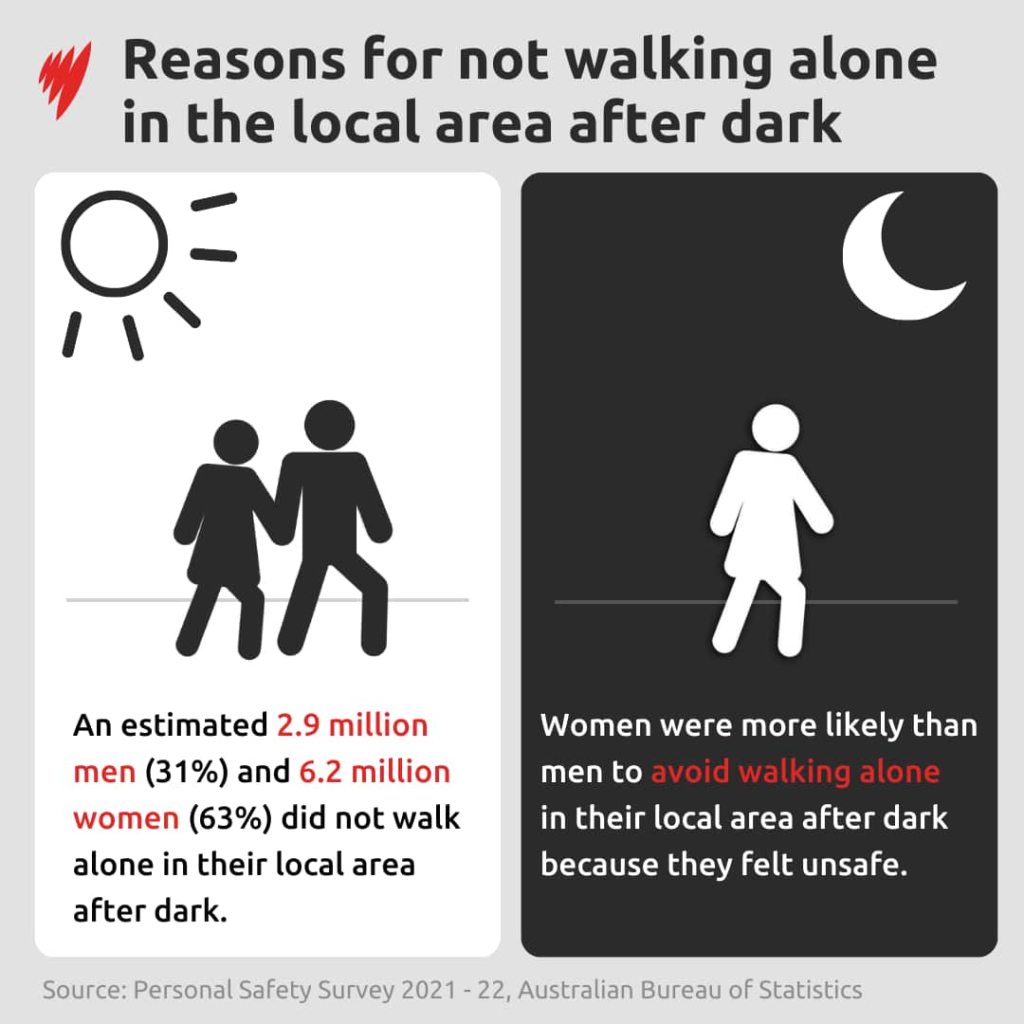
There’s a quiet violence in the way we teach women to navigate the world—not with confidence, but with caution. It’s not just the catcalls on the street or the lingering gaze in the elevator; it’s the unspoken calculus of every journey, the silent tally of risks we’re expected to keep in our pockets. And now, in the age of ride-hailing, that calculus has been outsourced to an app, tucked neatly between surge pricing and driver ratings. Welcome to the era of Uber’s parking pepper spray—a symptom of a society that treats safety as a luxury, not a right, and shifts the burden of protection onto the very people who are most at risk.
The Illusion of Control in a Gig Economy World
Picture this: you’re stepping into a stranger’s car, a transactional exchange where trust is currency and your safety is the collateral. Uber doesn’t just sell rides; it sells the promise of security, a digital handshake that says, “We’ve vetted them, you’ll be fine.” But what happens when that promise cracks? When the driver’s rating is pristine, the car is immaculate, and yet your instincts scream? The gig economy thrives on the myth of empowerment—“be your own boss,” “set your own hours”—but when that empowerment is predicated on self-defense, it’s not empowerment at all. It’s surrender.
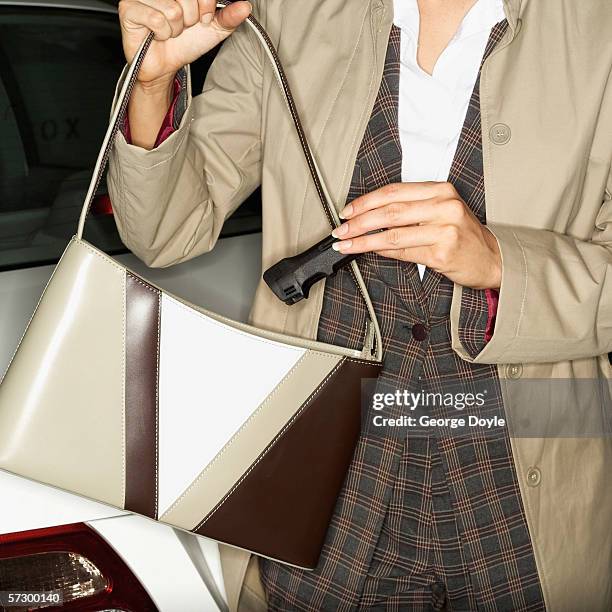
Uber’s parking pepper spray isn’t just a product; it’s a confession. A tacit admission that the system they’ve built is inherently unsafe, and that the only way to navigate it is to arm yourself against the very people who are supposed to be your protectors. It’s the corporate equivalent of handing a woman a rape whistle and calling it a solution.
The Normalization of Fear as a Service
We’ve normalized the idea that safety is a premium feature, something you pay extra for—whether it’s a “women-only” Uber, a panic button in the app, or a vial of pepper spray tucked into your purse. But who decided that fear should be monetized? That the right to walk home without calculating the fastest escape route is a privilege reserved for those who can afford it? The gig economy didn’t invent this hierarchy; it just perfected it. Now, safety isn’t just a personal responsibility—it’s a paid subscription.
And let’s be clear: this isn’t about empowerment. It’s about extraction. Uber profits from the anxiety it creates, then sells you the tools to manage it. It’s a closed loop of anxiety and consumption, where the only way out is to buy more—more features, more upgrades, more ways to mitigate a system that was never designed with your safety in mind. The message is clear: if you want to move through the world unscathed, you’ll have to pay for the privilege.
The Myth of the “Safe” Ride
Uber’s marketing would have you believe that a five-star driver and a clean vehicle equal safety. But history tells a different story. From assaults to abductions, the headlines are a grim reminder that no algorithm can predict human malice. The truth is, safety isn’t a feature you can toggle on or off—it’s a fundamental right that should be guaranteed, not commodified. Yet here we are, in a world where women are expected to carry mace in their Uber rides like it’s a standard-issue accessory, as if the threat of violence is just another part of the experience.
What does it say about our society when the most mundane act—hailing a ride—requires a mental checklist of worst-case scenarios? That the simple act of getting from point A to point B has been weaponized against half the population? The normalization of pepper spray in Uber isn’t just a product of fear; it’s a product of complacency. A resignation to the idea that violence is inevitable, and that the best we can do is arm ourselves against it.
The Corporate Hand That Feeds on Fear
Uber didn’t invent the fear of ride-hailing; it just exploited it. The company’s entire business model is built on the idea that convenience trumps safety, that the fastest route is always the best one, regardless of the risks. And now, with parking pepper spray, it’s monetizing that fear directly. It’s a masterclass in neoliberal capitalism: create a problem, then sell the solution. But the solution isn’t safety—it’s the illusion of it.
Consider the irony: Uber’s safety features are framed as innovations, yet they do nothing to address the root causes of the problem. They don’t question why women feel unsafe in the first place. They don’t challenge the cultural norms that place the burden of protection on the vulnerable. Instead, they offer a Band-Aid—a temporary fix for a systemic wound. And in doing so, they absolve themselves of responsibility, shifting the blame onto the very people who are most at risk.
The Psychological Toll of Living in a Carceral State
Carrying pepper spray isn’t just a practical precaution; it’s a psychological anchor. Every time you reach for it, you’re reminded that the world isn’t safe for you. That the people around you might not have your best interests at heart. That the simple act of existing in public space requires constant vigilance. This isn’t empowerment—it’s surveillance. It’s the internalization of fear, the way it seeps into your bones and shapes your decisions. Do I take this route? Should I cancel the ride? Is this driver trustworthy? The questions never end, because the system is rigged against you.
And yet, we’re told this is progress. That Uber’s parking pepper spray is a step forward, a sign that the company is listening. But listening isn’t enough. Change requires accountability. It requires dismantling the systems that make women feel unsafe in the first place. It requires asking why we’ve come to accept that safety is a privilege, not a right.
The Way Forward: Rejecting the Commodification of Safety
The answer isn’t more pepper spray. It’s not more panic buttons or more “women-only” options. It’s not asking women to adapt to a broken system—it’s demanding that the system adapt to them. That means holding companies like Uber accountable for the environments they create. It means investing in real safety measures—not just those that make for good PR, but those that address the root causes of violence. It means recognizing that safety isn’t a product to be sold; it’s a fundamental human need that should be guaranteed by society.
Until then, we’ll keep carrying our pepper spray, our keys between our fingers, our breath held a little too tight. We’ll keep calculating the risks, weighing the options, making do with the scraps of security offered to us. But we shouldn’t have to. The cost of safety shouldn’t be invisible—it should be nonexistent. And until that day comes, we’ll keep fighting, not just for better tools, but for a world where we don’t need them at all.








Leave a Comment