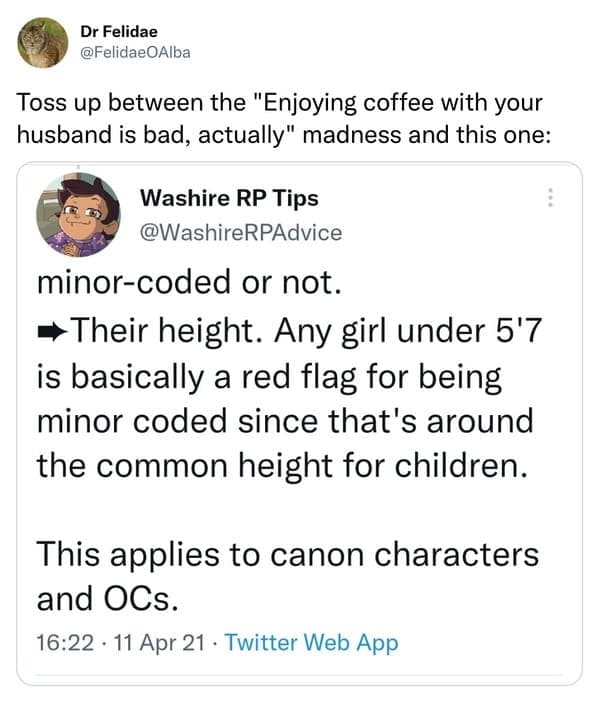
In the relentless flux of the digital age, where discourse is both instantaneous and immortalized, a new archetype of feminist dialogue has emerged: the chronically online feminist discourse. This phenomenon transcends mere hashtag activism or fleeting viral moments. It is a complex ecosystem of ideas, rhetoric, and confrontation that is reshaping how feminism dialogues with society at large. Far from being a cacophonous echo chamber, this discourse is subtly recalibrating perspectives, challenging entrenched norms, and weaponizing the digital vernacular to change minds in ways offline spaces rarely achieve.
The Genesis of Chronically Online Feminist Discourse
The chronically online feminist discourse is birthed from the unyielding necessity to carve out space within a virtual landscape saturated with noise and misinformation. It is a digital insurgency—a relentless barrage of critiques, memes, threads, and call-outs that refuse to allow patriarchal complacency to go unchecked. Feminist advocates have leveraged social media platforms as vibrant arenas for sustained critique and education, fostering an almost insurgent vocabulary that defies traditional limits of polite conversation.
This type of discourse thrives not on passive consumption, but active intellectual combat. It mixes irreverence with rigor, often employing sarcasm, irony, and uncompromising candor, ensuring the message is neither diluted nor ignored. In this space, the critique is immediate, the responses unfiltered, and the accountability is constant. It is unapologetically raw, sometimes abrasive, but undeniably potent.
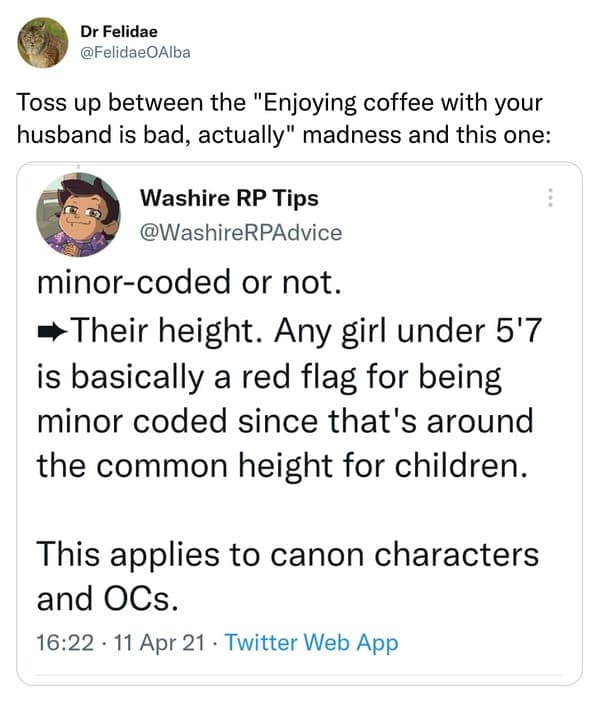
Memes, Micro-Essays, and Viral Expositions: The Forms of Engagement
Readers entrenched in this terrain encounter a diversified palette of content designed to penetrate varying depths of understanding. Memes serve as one of the most accessible yet potent vehicles—binary visual/audio cues that distill complex feminist theories into digestible, shareable packets of social critique. These digital artifacts employ satire and exaggeration to puncture ingrained misogyny and expose social injustices.
Alongside memes are the micro-essays and threaded Twitter treatises—nuanced, erudite yet accessible explorations that unravel layers of systemic inequality. These long-form interventions invite reflection and often draw from historic feminist texts with a contemporary twist, tailoring them to resonate with today’s digitally native audience. They combine the breadth of academic thinking with the immediacy of social relevance, bridging the gap between scholarship and activism.
Viral expositions and exposés further galvanize awareness by spotlighting figures, institutions, or discourses fraught with sexism or exclusionary politics. Through meticulous compilation of evidence and persuasive argumentation, these often painstakingly curated posts garner collective outrage but also inspire reformative debate.
Intersectionality Amplified: Multiplicity in Voices and Issues
Chronically online feminism is a polyphonic chorus that refuses homogeneity. It embodies intersectionality not as an afterthought, but as its foundational ethos. The discourse elevates voices from marginalized cohorts—Black feminists, queer activists, disability advocates—ensuring their narratives disrupt the dominant monolith of mainstream feminism. The digital dialogue acts as a conduit for cross-pollination, embedding multifaceted identities and experiences into the feminist narrative, which enriches and complicates the conversation in invaluable ways.
Readers will find content addressing how race, class, gender identity, and ability interlock to shape experiences of oppression uniquely. These discussions challenge any simplistic or universal claims of feminism by confronting readers with the uncomfortable realities of systemic inequality in all its harrowing permutations. This inclusion pushes beyond tokenism toward deep structural understanding and solidarity.

Call-Out Culture and Accountability: The Digital Reckoning
One hallmark of this discourse is its unforgiving commitment to accountability, often manifesting as what critics deride as “call-out culture.” Yet, beneath the surface drama lies a rigorous mechanism for evaluating power, privilege, and complicity. This culture demands more than performative allyship; it insists on tangible change and continual self-assessment.
Readers navigate content chronicling incessant debates over problematic statements, social media missteps, and institutional failures. While the repeated public exposure of these issues can feel exhausting and polarizing, it serves an essential function: dismantling complacency through relentless scrutiny. The discourse educates its audience by exposing patterns of behavior that perpetuate harm and holding even erstwhile allies to account.
However, this is not a monolithic practice of public shaming alone; it is frequently accompanied by educational interventions and restorative possibilities, offering pathways for growth amid critique. In this tension between confrontation and conversation, the discourse’s transformative potential often reveals itself most clearly.
Feminist Scholarship Meets Pop Culture: A Hybrid Intellectual Terrain
The chronically online feminist discourse draws strength from an astute synthesis of academic feminism and pop culture references. This fusion renders otherwise esoteric feminist theories accessible and relevant to a broad audience. Readers encounter incisive critiques of media, television, music, and art that uncover subtle propagations of sexism, objectification, and erasure.
Through this hybrid lens, feminism is demystified and presented as a living, breathing critique that permeates everyday life. Thoughtful dissections of popular shows or viral celebrity moments interlace with feminist jurisprudence and social theory, creating an invigorating space where high and low culture collide. This approach not only sustains engagement but also fosters a critical media literacy vital in contemporary activism.

The Transformative Impact: Changing Minds in an Age of Cynicism
Despite the vitriol and fatigue that often accompany online feminist battles, this discourse is quietly revolutionizing perspectives one digital encounter at a time. For many readers previously uninitiated or skeptical, repeated exposure to rigorous feminist arguments fosters empathy, awareness, and critical self-reflection. The emotive power of personal storytelling combined with relentless deconstruction of systemic issues chips away at ingrained prejudices.
This transformative phenomenon proves particularly efficacious on younger demographics raised in a hyperconnected world where identity and justice are performed as publicly as they are internally processed. The chronically online dialogue provides linguistic tools and conceptual frameworks that empower individuals to navigate and challenge social inequities beyond the screen.
Ultimately, this discourse is far from a mere online fad or digital echo chamber; it is a dynamic, insurgent intellectual movement that harnesses the unruly expanse of the internet to rewrite feminist activism and thought.







Leave a Comment