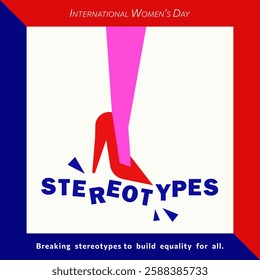
The minimalist movement has long been celebrated for its clean lines, uncluttered spaces, and rejection of excess. Yet beneath its serene aesthetic lies a subversive undercurrent—a quiet rebellion against patriarchal norms. Feminism, in its most potent form, doesn’t always roar; sometimes, it whispers through the deliberate absence of noise. The minimalist movement, with its pared-down designs and stripped-back visuals, carries a feminist manifesto in its silence. It challenges the expectation that women must be loud, decorative, or endlessly accommodating. Instead, it asserts that simplicity itself can be a form of resistance.
The Aesthetic of Defiance: How Minimalism Subverts Expectations
Minimalism isn’t just about less; it’s about reclaiming agency. The feminist undertones of minimalist art and design emerge from their refusal to perform femininity as prescribed by patriarchal standards. Consider the stark, unadorned lines of a feminist slogan rendered in monochrome—a visual that rejects the frilly, ornamental expectations placed on women’s expression. These designs don’t scream for attention; they command it through their very restraint.
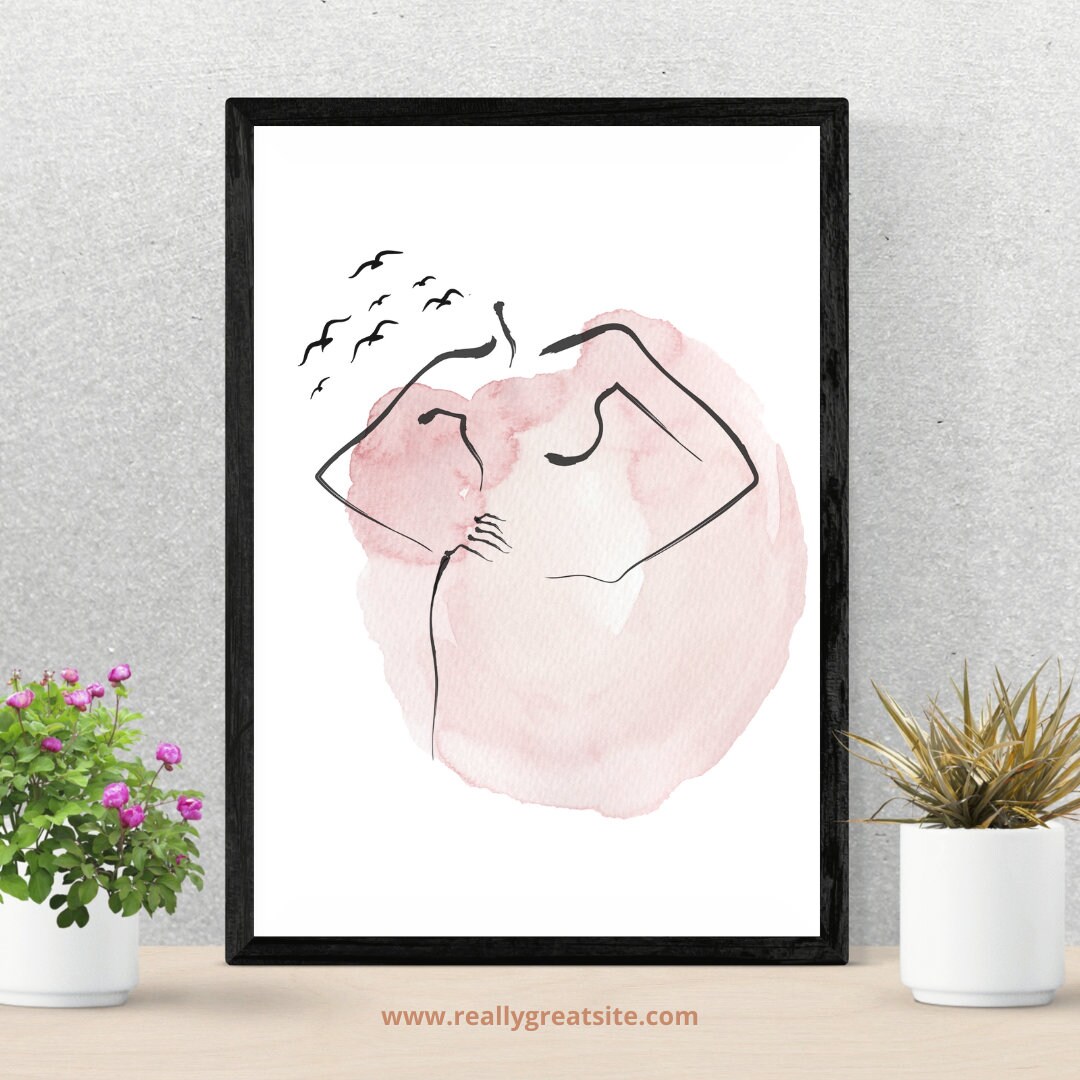
Take, for instance, the recurring motif of the female figure distilled into a single, unbroken stroke. There’s no softness, no submissive curves—just a defiant silhouette that refuses to be objectified. This isn’t minimalism for minimalism’s sake; it’s minimalism as a form of visual dissent. The absence of embellishment becomes a statement: *You don’t need to be adorned to be seen.*
Even typography plays a role. Bold, sans-serif fonts—once the domain of corporate masculinity—are reclaimed here, stripped of serifs and softened edges. They become tools of empowerment, their starkness mirroring the unapologetic clarity of feminist demands. The message is clear: clarity doesn’t require ornamentation.

Silence as Power: The Feminist Politics of Absence
In a world that demands women fill every silence with chatter, laughter, or compliance, minimalism offers a radical alternative: the power of absence. The empty space in minimalist designs isn’t a void; it’s a deliberate choice—a rejection of the idea that women must always be *on*, always performing, always available. This is feminism in its most distilled form: the right to exist without justification.
Consider the feminist art prints that reduce the female form to its most essential elements. No makeup, no elaborate hairstyles, no exaggerated features—just the raw, unfiltered essence of a woman. This isn’t erasure; it’s liberation. It strips away the layers of societal expectations, leaving only what is inherently hers: her presence, her form, her right to be seen as she is.
The minimalist movement’s embrace of negative space also mirrors the feminist struggle for bodily autonomy. Just as women are told what to wear, how to move, and when to speak, minimalist design tells a different story: *You don’t have to fill every inch. You don’t have to justify your existence.*
From Wall Art to Wearable Protest: Minimalist Feminism in Everyday Life
Feminism isn’t confined to galleries or protest signs—it thrives in the mundane, the everyday, the things we wear and display without a second thought. Minimalist feminist designs have seeped into the fabric of daily life, turning passive consumption into active resistance. A tote bag with a single, unbroken line of text—*Enough*—becomes a walking manifesto. A mug with a minimalist woman’s silhouette is a quiet rebellion against the expectation that women must always be nurturing, always pouring out, never taking up space.
Even the act of purchasing such items is a political statement. In a market saturated with hyper-feminine, over-the-top designs, choosing minimalism is a vote against the commodification of women’s bodies. It’s a refusal to participate in the spectacle of femininity as spectacle. Instead, these designs ask: *What if we didn’t need to perform?*
This extends to digital spaces as well. Social media feeds cluttered with performative feminism—endless selfies, hashtag activism, the pressure to be *relatable*—find balance in the minimalist feminist aesthetic. A single, striking image, devoid of noise, cuts through the clutter. It’s feminism without the noise, without the performative labor of constantly being *on*.
The Paradox of Minimalism: When Less Becomes More Than Enough
There’s a delicious irony in the minimalist movement’s feminist potential: the more it strips away, the more it reveals. The less it adorns, the more it asserts. This is the paradox of feminist minimalism—it doesn’t just reject excess; it exposes the hollowness of the systems that demand it.
Consider the corporate world, where women are often told to *lean in*—to adopt the aggressive, unapologetic tactics of patriarchal power structures. Minimalist feminism offers a different path: *Don’t lean in. Stand firm.* The clean lines of a minimalist design don’t apologize for their presence. They don’t beg for approval. They simply *are*.
This is the quiet radicalism of minimalism. It doesn’t need to shout because its message is inherent in its form. A single, unbroken line carries more weight than a thousand embellished curves. A blank space speaks louder than a crowded canvas. In a world that demands women be everything to everyone, minimalist feminism says: *No. You don’t have to be more than enough.*
Beyond the Aesthetic: The Philosophical Roots of Minimalist Feminism
To understand the feminist potential of minimalism, we must look beyond its visual appeal and into its philosophical underpinnings. Minimalism, at its core, is a rejection of the superfluous—a philosophy that aligns closely with feminist critiques of patriarchal excess. Why adorn when you can assert? Why perform when you can exist?
The minimalist movement’s roots in Zen Buddhism and Stoicism further underscore its feminist possibilities. Both philosophies emphasize presence, clarity, and the rejection of distraction—values that resonate deeply with feminist struggles. To be present is to reject the noise of societal expectations. To seek clarity is to cut through the fog of misogyny. To embrace simplicity is to reject the idea that women must be endlessly accommodating.
This philosophical alignment isn’t accidental. Minimalism, in its purest form, is a rebellion against the idea that women must be *useful*—to men, to capital, to the endless cycle of consumption. It’s a declaration that women have the right to exist for themselves, in their own terms, without the burden of performance.
The Future of Minimalist Feminism: A Quiet Revolution
The minimalist feminist movement isn’t a passing trend; it’s a quiet revolution in the making. As more women reject the pressure to be *enough*—enough pretty, enough loud, enough accommodating—the minimalist aesthetic offers a visual language for that rejection. It’s a language of defiance, of clarity, of unapologetic presence.
In the years to come, we can expect to see this movement evolve. Minimalist feminism will seep into architecture, into fashion, into digital design. It will challenge the idea that women must be decorative, that their worth is tied to their appearance or their utility. Instead, it will assert that women are entities unto themselves—complex, essential, and deserving of space, both literal and metaphorical.
The minimalist movement’s hidden feminist message isn’t just about art or design. It’s about power. It’s about the right to exist without apology, without adornment, without the constant demand to perform. It’s a reminder that sometimes, the most radical thing you can do is to be still—to let the silence speak for itself.







Leave a Comment