The pink tax isn’t just a myth whispered in feminist circles—it’s a systemic hemorrhage of wealth from women’s wallets, disguised as a harmless color preference. From the cradle to the grave, corporations have weaponized gendered marketing to extract billions, cloaking exploitation in the pastel hues of “girly” products. But what happens when someone tears back the curtain? What happens when the absurdity of charging more for a pink razor than a blue one—or a girl’s bike than a boy’s—is laid bare in stark, undeniable terms? The answer? A reckoning. A shift. A slow, seismic unraveling of an industry built on the backs of those who’ve been conditioned to pay extra for the privilege of being a woman.
The Cradle of Inequity: How the Pink Tax Begins Before the First Step
Long before a child can articulate the injustice of a $20 pink toy truck versus a $15 blue one, the pink tax has already staked its claim. Studies have shown that girls’ toys and clothing are consistently priced higher than their gender-neutral or male counterparts—sometimes by as much as 30%. Why? Because the market has decided that femininity is a luxury, a premium to be paid for the mere suggestion of frills. A baby onesie with “Daddy’s Little Monster” emblazoned in cursive costs less than one that reads “Princess in Training,” not because the fabric is cheaper, but because the latter is draped in the illusion of delicacy. This isn’t economics. It’s emotional extortion.
And it doesn’t stop at toys. Consider the diaper industry, where “boy” diapers are priced lower than “girl” diapers, despite being functionally identical. The justification? Marketers claim parents are willing to pay more for products that align with their daughter’s perceived “cuteness.” But cuteness isn’t a material—it’s a construct, and one that’s been ruthlessly monetized. The pink tax here isn’t just a surcharge; it’s a socialization tax, teaching girls from infancy that their existence is worth less unless it’s packaged in a way that pleases the male gaze.
The Adolescent Toll: School Supplies, Clothing, and the Hidden Cost of Being a Girl
By the time a girl enters school, the pink tax has already calcified into an unspoken expectation. A pack of markers in “girl” colors—pastel pinks, purples, and teals—costs more than the same pack in “boy” colors: bold reds, blues, and blacks. The difference? A few cents per unit, but multiplied across millions of households, it’s a river of revenue flowing into corporate coffers. Why? Because the market has decided that girls’ creativity is worth less than boys’, and that their aesthetic preferences are a niche to be exploited.
Then there’s clothing. A girl’s school uniform shirt, identical in fabric and stitching to a boy’s, costs more because it’s emblazoned with a bow or a ruffle. A pair of sneakers marketed to girls—despite being structurally the same as boys’—will carry a higher price tag, justified by the addition of a glittery logo or a “girly” colorway. This isn’t capitalism. It’s gendered price gouging, dressed up as choice. And the worst part? Girls internalize it. They learn that their needs are secondary, that their preferences are a commodity to be taxed.

The Adult Tax: From Razors to Wheelchairs, the Pink Penalty Persists
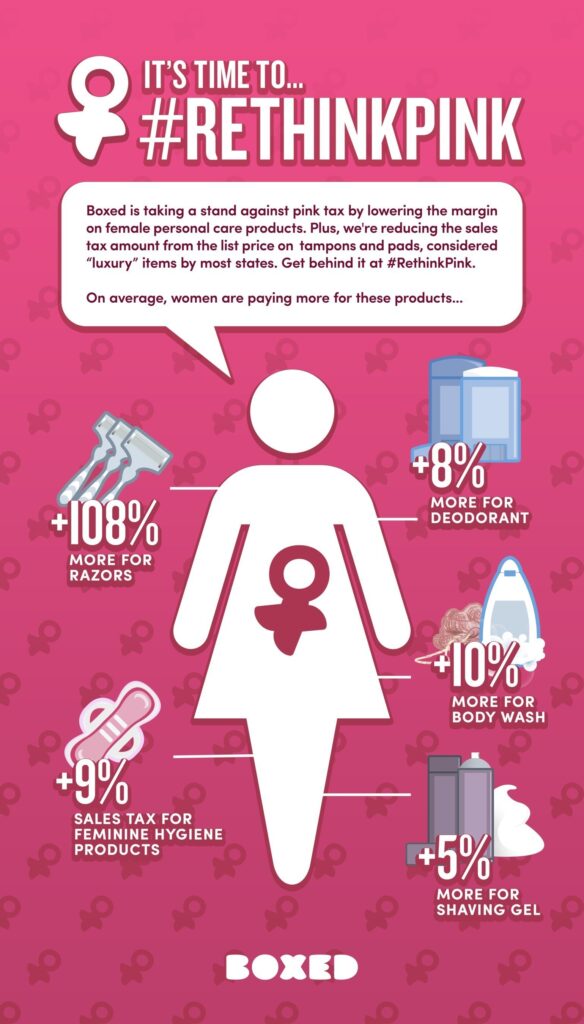
The pink tax doesn’t vanish with adulthood—it evolves. A woman’s disposable razor costs more than a man’s, not because the blade is sharper, but because it’s pink. A deodorant marketed to women is priced higher than the “gender-neutral” version, despite containing identical ingredients. Even products as mundane as shampoo and body wash are subject to the tax, with “feminine” scents like vanilla and lavender commanding a premium over “masculine” ones like sandalwood or citrus. The message is clear: if it’s for a woman, it’s frivolous. If it’s for a man, it’s essential.
And then there’s the medical industry, where the pink tax takes on a more sinister form. Women’s healthcare products—from tampons to breast pumps—are taxed as “luxury items” in many states, while Viagra and Rogaine are classified as medical necessities. The logic? Men’s health is a priority; women’s health is a convenience. Even mobility aids aren’t spared. A wheelchair designed for women, with a lighter frame and adjustable features, can cost thousands more than a standard model, because the market has decided that accessibility for women is a niche luxury.
The cumulative effect is staggering. Over a lifetime, a woman can pay tens of thousands of dollars more than a man for the same products and services—a financial hemorrhage that exacerbates the gender wealth gap. But here’s the kicker: none of this is accidental. It’s the result of decades of deliberate marketing strategies designed to make women feel like they’re paying for something intangible—femininity, desirability, acceptability—when in reality, they’re paying for the privilege of existing in a world that sees them as second-class consumers.
The Rebellion: How Women Are Fighting Back Against the Pink Tax
But the tide is turning. Women are no longer willing to accept this quiet extortion. Social media campaigns like #PinkTax and #AxThePinkTax have exposed the absurdity of gendered pricing, forcing retailers to rethink their strategies. Some brands have begun to phase out gendered pricing, offering identical products at the same cost regardless of color or marketing. Others have launched subscription services that deliver unisex razors, shaving cream, and even deodorant to women at the same price as men—because, shockingly, women’s bodies aren’t a special case.
Legislators are also taking notice. States like California and New York have passed laws banning gender-based pricing, and federal bills have been introduced to address the issue nationwide. The argument is simple: if a product is functionally the same, it should cost the same. Period. The pink tax isn’t a market inefficiency—it’s a market failure, one that relies on the exploitation of half the population.
And then there’s the cultural shift. Women are refusing to buy into the myth that their needs are secondary. They’re demanding unisex products, repurposing men’s items for their own use, and calling out brands that engage in gendered price gouging. The message is clear: we see you. We see the pink tax. And we’re done paying it.
The Future: A World Without the Pink Tax
The end of the pink tax isn’t just a feminist dream—it’s an economic inevitability. As women gain more financial independence and social influence, the market will have no choice but to adapt. The question isn’t whether the pink tax will disappear, but how long it will take for corporations to realize that exploitation isn’t a sustainable business model.
In the meantime, the fight continues. Women are sharing their stories, organizing boycotts, and demanding transparency from retailers. They’re proving that the pink tax isn’t just a financial burden—it’s a moral one. And morality, unlike pink plastic razors, can’t be priced.
The revolution won’t be televised. But it will be documented. And it will be expensive—for the corporations that have profited from it for far too long.







Leave a Comment