The pink tax isn’t just a line item on a receipt—it’s a systemic surcharge, a quiet toll on women’s wallets that compounds over a lifetime. From razors that cost more than men’s versions to dry cleaning that charges extra for blouses, this gendered markup isn’t accidental. It’s engineered. And it’s everywhere.
The Razor Tax: Why Women Pay More for Smooth Skin
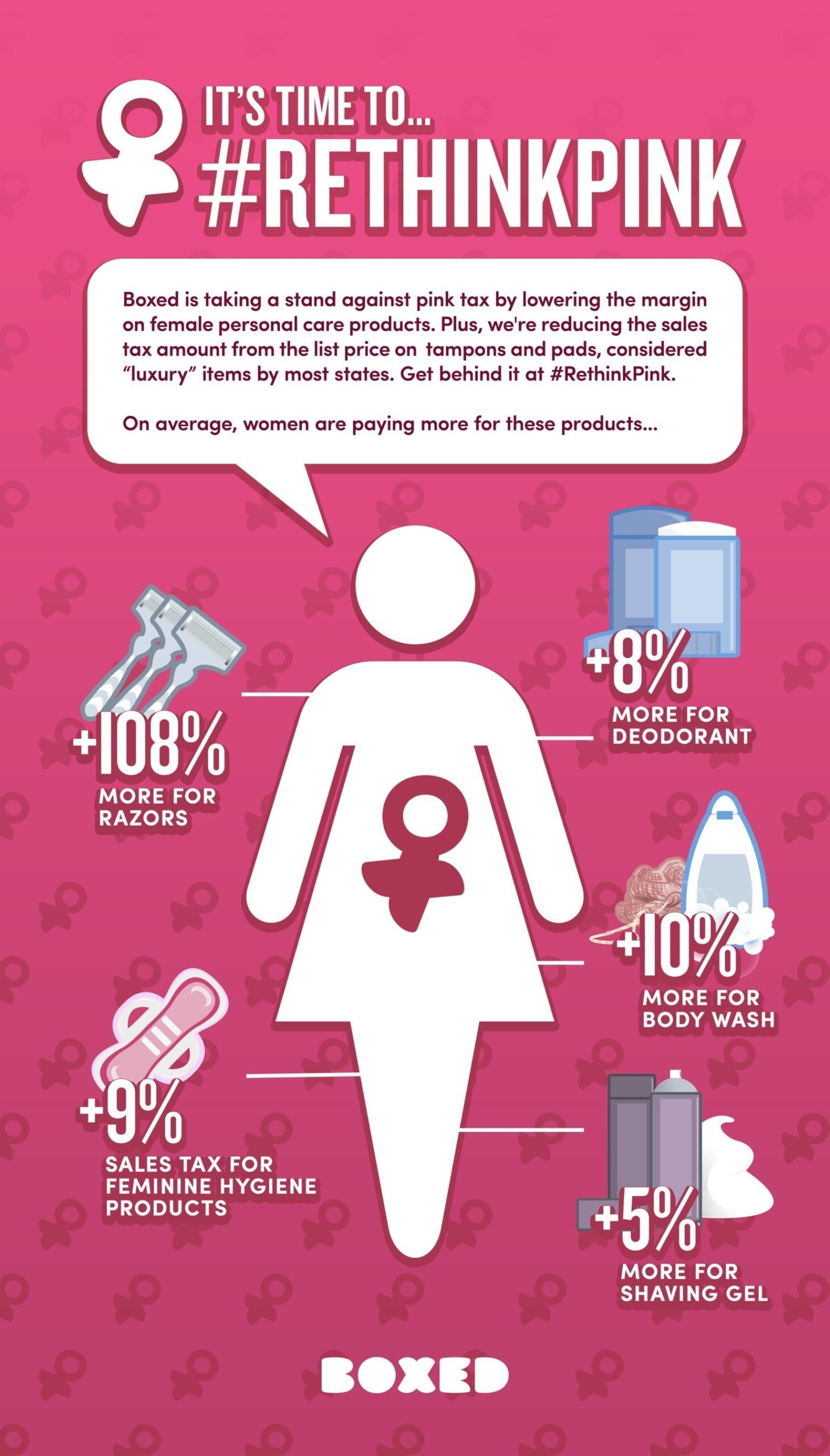
Walk into any drugstore and compare the shelves. A pink razor, sleek and ergonomically contoured, sits next to a blue one—identical in function, but priced differently. The pink version? Often 30% more. This isn’t about innovation; it’s about marketing. Companies know that women associate self-care with femininity, and they exploit it. The razor tax extends beyond disposables: electric shavers, depilatory creams, even the humble loofah—all carry a premium simply because they’re designed for women’s bodies.
But the real cost isn’t just monetary. It’s the time spent shaving, the nicks and irritation from poorly designed tools, the environmental waste of single-use plastics marketed as “convenience.” Women aren’t just paying for a product; they’re paying for the illusion of effortless perfection. And the irony? The same companies selling these overpriced razors also profit from the backlash, selling laser hair removal as the “solution”—another expense, another cycle of consumption.
Dry Cleaning’s Dirty Little Secret: The Blouse Surcharge
Try handing a man’s dress shirt to a dry cleaner, then a woman’s blouse. The price difference isn’t justified by fabric or complexity—it’s about gender. Studies show that dry cleaning for women’s clothing can cost up to 15% more, even when the items are structurally identical. The justification? “Delicate fabrics.” “Intricate details.” But lace trim doesn’t require more labor than a plain collar. It’s a markup disguised as care.
This isn’t just an urban legend. It’s a documented phenomenon, with dry cleaners admitting in surveys that they charge more for women’s garments because they can. The result? A closet full of clothes that cost more to maintain than they’re worth, a wardrobe that becomes a financial sinkhole. And for working women? It’s another invisible tax on professionalism, another reason to dread the “dry clean only” label.
Hygiene Products: The Tampon Tax and Beyond
The tampon tax—still a reality in many U.S. states—is the most infamous example of the pink tax, but it’s far from the only one. Shampoo marketed to women costs more than the “men’s” version, even when the ingredients are identical. Deodorant for women? Higher price. Body wash? Check the label. The pattern is unmistakable: if it’s pink, floral, or labeled “for her,” the cost goes up. Even menstrual products themselves aren’t immune—organic cotton pads and “luxury” liners carry premiums that have nothing to do with quality.
This isn’t about choice. It’s about exploitation. Companies know that women have no alternative but to buy these products, and they price accordingly. The tampon tax debate has brought some progress, but the broader issue remains: why should basic hygiene be a luxury? Why should women pay a “female tax” for the privilege of existing in a body that menstruates, sweats, or simply exists?
Clothing: The Illusion of “Feminine” Fashion Economics
Fast fashion thrives on the pink tax. A women’s t-shirt costs more than a men’s tee, even when the fabric and stitching are identical. A pair of jeans? Women’s styles are priced higher across the board, from skinny fits to mom jeans. The justification? “Trendier cuts.” “More flattering designs.” But the truth is simpler: women are conditioned to pay more for clothing, and brands capitalize on it.
Even children’s clothing isn’t spared. A pink onesie for a baby girl costs more than a blue one for a boy, despite no functional difference. This early indoctrination sets the stage for a lifetime of overpaying. And the worst part? The environmental cost. Cheap, overpriced fast fashion leads to more waste, more pollution, and more exploitation of garment workers—most of whom are women in Global South countries.
Healthcare: The Gendered Price of Wellness
Women’s healthcare is riddled with pink tax disparities. A study found that women’s health insurance premiums are, on average, 45% higher than men’s—even when controlling for age and coverage. Then there’s the cost of birth control, which remains out of reach for many due to insurance gaps and high copays. Even over-the-counter pain relievers marketed to women (like “menstrual relief” ibuprofen) carry a premium.
The healthcare system itself is complicit. Women’s pain is often dismissed, leading to delayed diagnoses and more expensive treatments. A heart attack in a woman is more likely to be misdiagnosed than in a man, resulting in pricier emergency care. The pink tax isn’t just about products—it’s about the entire infrastructure of care, designed to extract wealth from women at every turn.
Services: The Invisible Fees That Add Up
From haircuts to car repairs, women often pay more for the same services. A hair salon charges more for a “women’s cut” than a “men’s cut,” even when the work is identical. Auto shops inflate prices for women customers, assuming they’ll pay without question. Even gym memberships are pricier for women, despite no difference in access or facilities.
This isn’t about skill—it’s about assumption. Service providers know that women are less likely to negotiate, less likely to question a bill, and more likely to be talked into add-ons. The pink tax thrives in these gray areas, where the lack of transparency allows exploitation to go unchecked. And the worst part? Women internalize it. They expect to pay more. They budget for it. They accept it as the cost of being a woman.
Fighting Back: How to Outsmart the Pink Tax
The pink tax isn’t inevitable. It’s a choice—and women are choosing to resist. Start by voting with your wallet: buy men’s razors, shop in the “men’s” section, and demand unisex products. Support brands that charge the same for all genders. Use apps like TrueCar or Glassdoor to research service providers before committing. And most importantly, talk about it. Share receipts. Post price comparisons. Make the pink tax visible.
Legislation is another front. States like California and New York have banned gender-based pricing, and more are following. Advocate for the Pink Tax Repeal Act, which would make it illegal to charge different prices for substantially similar products. But change won’t come from laws alone—it will come from a cultural shift. Women must stop accepting the pink tax as normal. They must demand better.
The Bigger Picture: Why the Pink Tax Matters
The pink tax isn’t just about money. It’s about power. It’s a reminder that women’s bodies and labor are undervalued, that their needs are an afterthought, that their existence is a market to exploit. It’s a tax on ambition, on confidence, on the very idea that women deserve equality.
And it’s not going away on its own. The pink tax is a symptom of a larger problem: the commodification of femininity. Companies don’t just sell products—they sell insecurity, then profit from the solutions. They create a problem (expensive razors) and then sell the cure (laser hair removal). They manufacture demand where none existed before.
But here’s the truth: women are done paying for it. They’re done with the markup, the markup, the markup. They’re fighting back—not just with wallets, but with words, with activism, with the unshakable demand for what they’re owed: fairness.






Leave a Comment