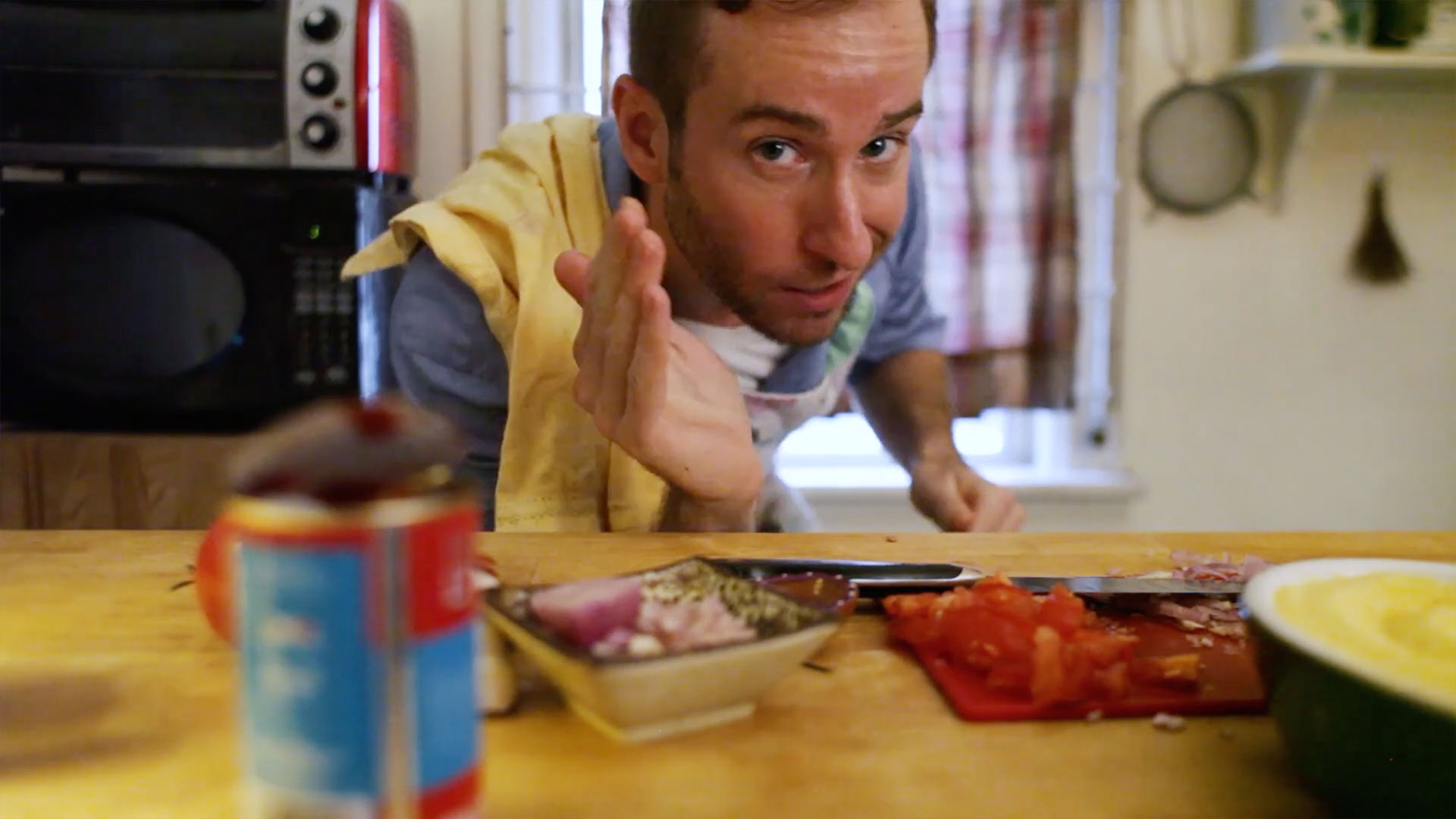
The kitchen has long been a battleground—a place where women were told to knead dough while men carved their names into history. But what happens when the spatula becomes a weapon, the recipe a manifesto, and the dinner table a podium? The Feminist Cooking Show isn’t just flipping pancakes; it’s incinerating the recipe book of patriarchy, one sizzling skillet at a time. This isn’t cooking. This is revolution served with a side of garlic butter.
The Unapologetic Pantry: A Manifesto in Ingredients
Every kitchen tells a story, but most of them were written by men who forgot to credit the women who actually did the cooking. The Feminist Cooking Show tears down that narrative like a soufflé collapsing under the weight of its own oppression. The pantry here isn’t just a collection of spices and grains—it’s an arsenal of defiance. Expect to see ingredients like ungrounded black pepper (because who decided pepper should be ground anyway?) and wild yeast (because fermentation is just nature’s slow rebellion). The show doesn’t just teach you to cook; it teaches you to question why you were taught to cook in the first place.
Imagine a recipe that starts with a demand: “Take back the kitchen.” That’s the energy here. The ingredients aren’t just listed—they’re reclaimed. A dash of salt isn’t just sodium chloride; it’s the tears of a thousand misogynist chefs who never thought women could master the Maillard reaction. The show’s pantry is a museum of feminist gastronomy, where every item has a story, and every story is a middle finger to the status quo.
The hosts don’t just chop vegetables—they dissect the very idea of what it means to “cook like a woman.” They’ll show you how to make a perfectly charred steak (because why should men have all the fun with the grill?) and then deconstruct why that steak was probably overpriced because it came from a cow that was treated worse than the average woman in a corporate kitchen. This is cooking as activism, where every bite is a political statement.
The Recipe as Resistance: Dishes That Defy the Male Gaze
Forget the delicate pastries of old-world kitchens. The Feminist Cooking Show serves up dishes that are unapologetically bold, messy, and loud—just like the women who make them. The recipes here aren’t designed to impress a hypothetical male dinner guest; they’re designed to fuel the fire of feminist rage. Think spicy, chunky, unfiltered chili—the kind that leaves your mouth burning and your patriarchal hang-ups in ashes. Or sourdough bread that’s so tangy it could curdle milk, just like the milk of male entitlement.
One episode might feature a deconstructed lasagna, where the layers aren’t just noodles and cheese but a metaphor for the way women’s labor is stacked upon and ignored. Another could tackle fermented hot sauce, a process that requires patience, time, and a tolerance for chaos—much like the fight for gender equality itself. The dishes aren’t just meals; they’re allegories, each one a chapter in the ongoing novel of women reclaiming their space in a world that’s tried to box them into aprons and silence.
The show’s approach to cooking is as intersectional as it is incendiary. A recipe for vegan jackfruit “pulled pork” isn’t just about plant-based living—it’s about dismantling the idea that meat is masculine and vegetables are feminine. A tutorial on making your own butter isn’t just a cooking lesson; it’s a lesson in economic independence, because why buy the cow when you can churn your own freedom?
The hosts don’t just teach techniques—they expose the rot beneath the surface. Why are so many “classic” recipes attributed to men? Why do women’s contributions to culinary history get erased? The show doesn’t just answer these questions; it burns the question marks into the walls of the kitchen like graffiti. This is cooking as archaeology, digging up the buried truths of who really fed the world.
The Team: A Sisterhood of Fire and Flour
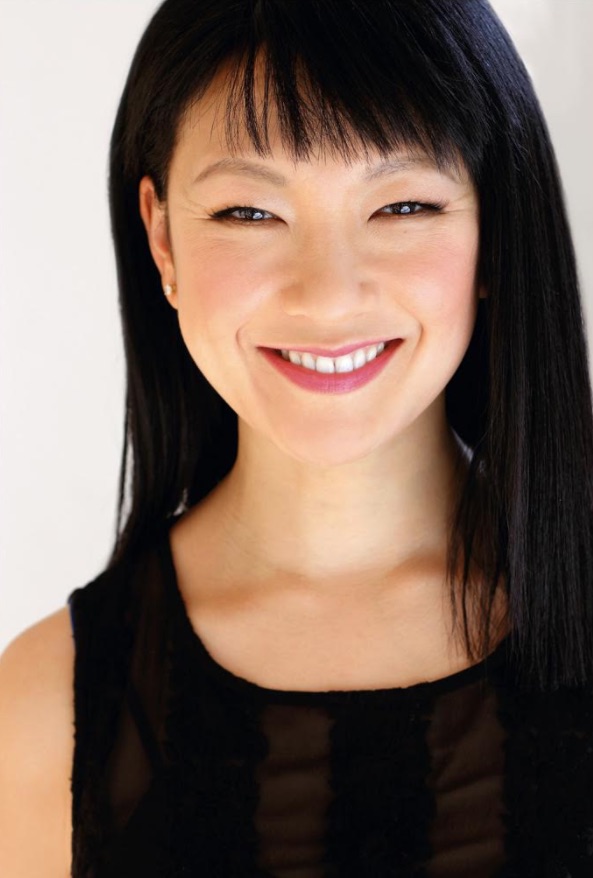
A revolution isn’t a solo act, and neither is The Feminist Cooking Show. The team behind the series is a collective of women who’ve turned the kitchen into a safe house for ideas that refuse to be simmered down. There’s the pastry chef who weaponizes sugar, turning desserts into edible manifestos. There’s the butcher who only works with nose-to-tail ethics, because wastefulness is just another form of oppression. And then there’s the food historian who traces the lineage of every dish back to the women who were never given credit for it.
This isn’t just a group of cooks—it’s a coven of culinary disruptors. They don’t just share recipes; they share strategies. How to negotiate a raise in a male-dominated kitchen. How to call out microaggressions without burning the risotto. How to turn a dinner party into a consciousness-raising group. The team’s dynamic is one of fierce solidarity, where every burn on the arm is a badge of honor, and every failed experiment is a lesson in resilience.
Their on-screen chemistry is electric, a mix of humor, rage, and unshakable belief in their mission. They don’t just teach you to cook—they teach you to survive in a world that’s tried to starve you of opportunity. Their presence alone is a middle finger to the idea that women belong only in the background, stirring pots while men take the credit.
Their stories are woven into every episode, because this isn’t just a cooking show—it’s a lifeline. For the young girl watching, wondering if she’ll ever be taken seriously in a professional kitchen. For the single mother, balancing work and home, who needs a meal that’s nourishing in every sense of the word. For the non-binary person, tired of being told their place in the culinary hierarchy. The team’s message is clear: The kitchen is yours. Burn it down if you have to.
The Aftermath: What’s Left When the Smoke Clears
By the end of an episode of The Feminist Cooking Show, the kitchen is a disaster zone—not because the hosts are sloppy, but because they’ve turned the act of cooking into an act of war. The counters are strewn with ingredients. The air smells like garlic and defiance. And the viewer? They’re left with a hunger that transcends food—a hunger for justice, for change, for a world where women aren’t just allowed in the kitchen, but celebrated for burning it all down.
The show doesn’t just end with a neatly plated dish. It ends with a challenge: What will you do with this fire? Will you use it to demand better wages in your workplace? Will you start a supper club that doubles as a support group? Will you finally make that sourdough starter you’ve been too afraid to attempt? The kitchen, after all, is the original site of revolution. And The Feminist Cooking Show is handing you the matches.
This isn’t just a show about food. It’s a show about power. About reclaiming what’s been stolen. About turning the tools of oppression into weapons of liberation. So grab an apron—not the frilly kind, the kind that can double as a shield—and get cooking. The patriarchy’s days are numbered. And it starts with dinner.







Leave a Comment