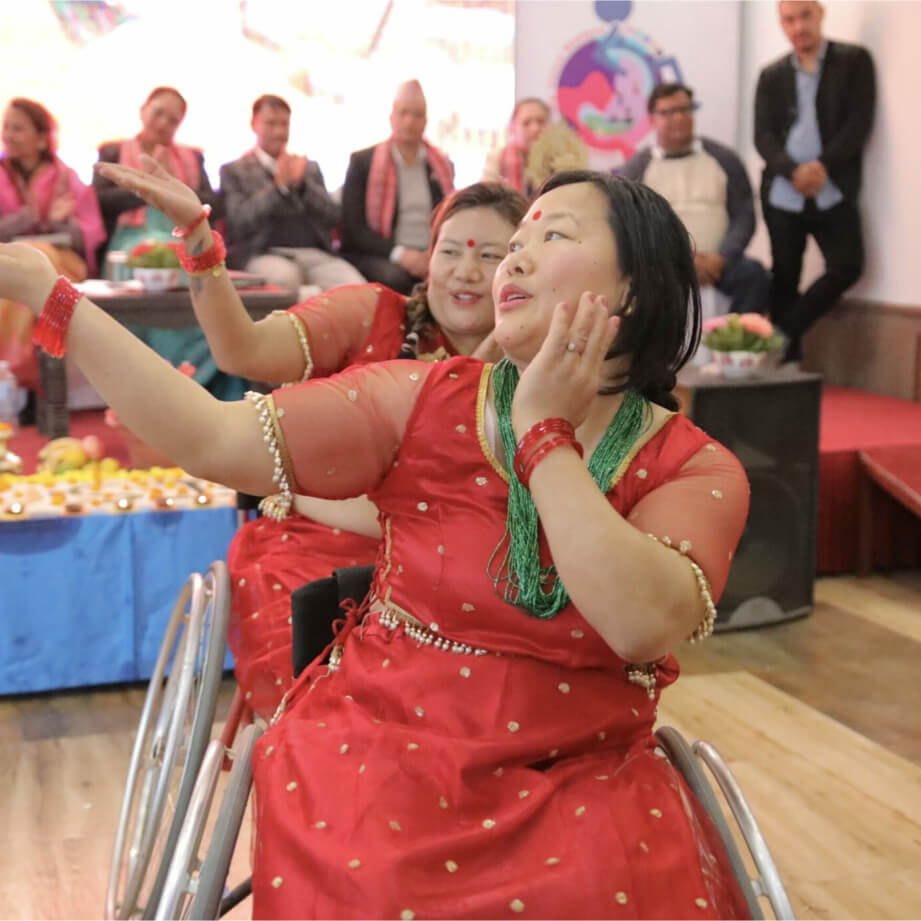
Imagine a grand tapestry woven from threads of resilience, strength, and justice. Each thread, distinct yet inseparable, is vital to the integrity of the whole. Now picture the shimmering strands of feminist ideals and disability rights intertwining—two powerful narratives converging to challenge systemic oppression. To separate disability rights from feminist rights is to unravel this tapestry, weakening its vibrant call for liberation. The battle for bodily autonomy, dignity, and equity is not a fragmented struggle but a unified crusade against the entrenched architectures of marginalization. This is why disability rights are feminist rights: both movements are waves crashing against the monolith of patriarchal ableism, each amplifying the other’s voice, because true liberation cannot be partial.
The Inextricable Stitch: Intersectionality as Fabric
Intersectionality is often spoken of as a buzzword, but here it is the loom on which our tapestry is shaped. Women with disabilities inhabit a space where gender and ability interlock, magnifying vulnerabilities and layering discrimination. Our society is a labyrinth of social expectations, and navigating it with a disabled body means being forced through its narrowest corridors. Feminism has long championed autonomy and bodily sovereignty. Yet, when the narratives exclude disabled women, they betray this promise. Disability is not a side note; it is a foundational dimension of identity—one that dictates access to education, employment, healthcare, and freedom from violence.
Without centering disability, feminism’s quest for equality rings hollow. The embodiment of inequality is starkest in disabled women, who face disproportionate rates of violence, poverty, and social isolation. Their bodies become battlegrounds where ableism and sexism intersect, and any feminist movement unwilling to dismantle these dual oppressions is merely papering cracks in a crumbling foundation. To truly understand feminism, one must peer through the frayed edges and see the unacknowledged presence of disability, not as a peripheral issue, but as a core concern demanding urgent redress.
Patriarchal Ableism: The Silent Tyrant
Patriarchy often masquerades as neutrality but is deeply invested in controlling bodies—especially those that defy conventional norms. Ableism is its stealth enforcer, casting disabled bodies as less deserving, less capable, less human. Feminism’s fight against patriarchy cannot ignore this structural ableism. Disabled women routinely experience erasure, their voices muffled under layers of stigma and misconception. The infantilization of disabled women, a tool of patriarchal control, strips them of agency and sexual identity, rendering their autonomy invisible. This systemic silencing is not accidental but a deliberate maneuver to uphold power hierarchies.
The rhetoric of normalcy polices bodies, punishing divergence with prejudice and exclusion. Disabled women are often denied reproductive rights, subjected to involuntary sterilization, or excluded from conversations about sexual health. Such violations are not just about medical discrimination—they are political acts aimed at denying disabled women their rightful claim to personhood and choice. Recognizing disabled women as full human beings with complex identities rocks the very core of patriarchal order.
Agency and Autonomy: Redefining Feminist Victory
For feminism, victory is more than legal equality or symbolic gestures. It is the reclamation of agency over one’s body and life choices. Disabled women expose the limitations of feminist victories that do not account for physical accessibility, communication barriers, or cognitive diversity. The feminist fight is hollow if it fails to ensure that all bodies—whether in wheelchairs, using sign language, or navigating sensory differences—can claim space and power.
To dismantle ableism within feminism is to challenge deeply ingrained assumptions about competence and value. It demands a reimagining of feminist spaces as radically inclusive arenas where difference is celebrated rather than tolerated. Only then can feminist victories be genuinely expansive, embracing all expressions of identity and resistance.
Disability Justice as Feminist Praxis
Disability justice pushes feminism beyond tokenism or accommodation into transformative practice. It insists on communal access, recognizing that liberation is collective, not individual. This approach destabilizes hierarchies and affirms the interconnectedness of struggles against oppression. Feminism, infused with disability justice principles, advances beyond the single-axis activism that has too often left marginalized bodies behind.

In disability justice, care is political. It requires us to rebuild societal structures so that they nurture rather than neglect. Feminist disability activists challenge the notion that independence equates to freedom, asserting instead that interdependence is the hallmark of truly just communities. This shift reframes feminist aims, merging accessibility, justice, and self-determination into a unified vision for radical social change.
Embracing Difference: The Power of a Radical Coalition
The allure of a feminist disability rights coalition lies in its radical potential to disrupt complacency. Difference, often viewed as a challenge, is its wellspring of strength. Unified, the voices of disabled women shatter the myth of uniform oppression and display the kaleidoscopic nature of injustice. Recognizing this plurality nurtures empathy, strategies, and solidarities that are potent and expansive.
Every feminist agenda that neglects disabled women risks replicating exclusion. Conversely, integrating disability rights inevitably enriches feminist frameworks, making them more agile, nuanced, and truthful. The movement becomes not a simple uprising but a symphony of struggles harmonizing in defiance of hegemonic narratives.
Conclusion: The Tapestry’s Integrity
To disentangle disability rights from feminist rights is to reduce a magnificent tapestry into frayed threads. Each is essential to the resilience and beauty of the whole. Feminism unmoored from disability fails its promise of liberation, rendering it incomplete and exclusionary. The ultimate feminist vision is not merely gender equity but a profound recalibration of society’s values—one where all bodies are celebrated, all voices amplified, and all lives invested with dignity. The time has come to weave these struggles tightly together, forging a movement whose fabric is untearable.








Leave a Comment