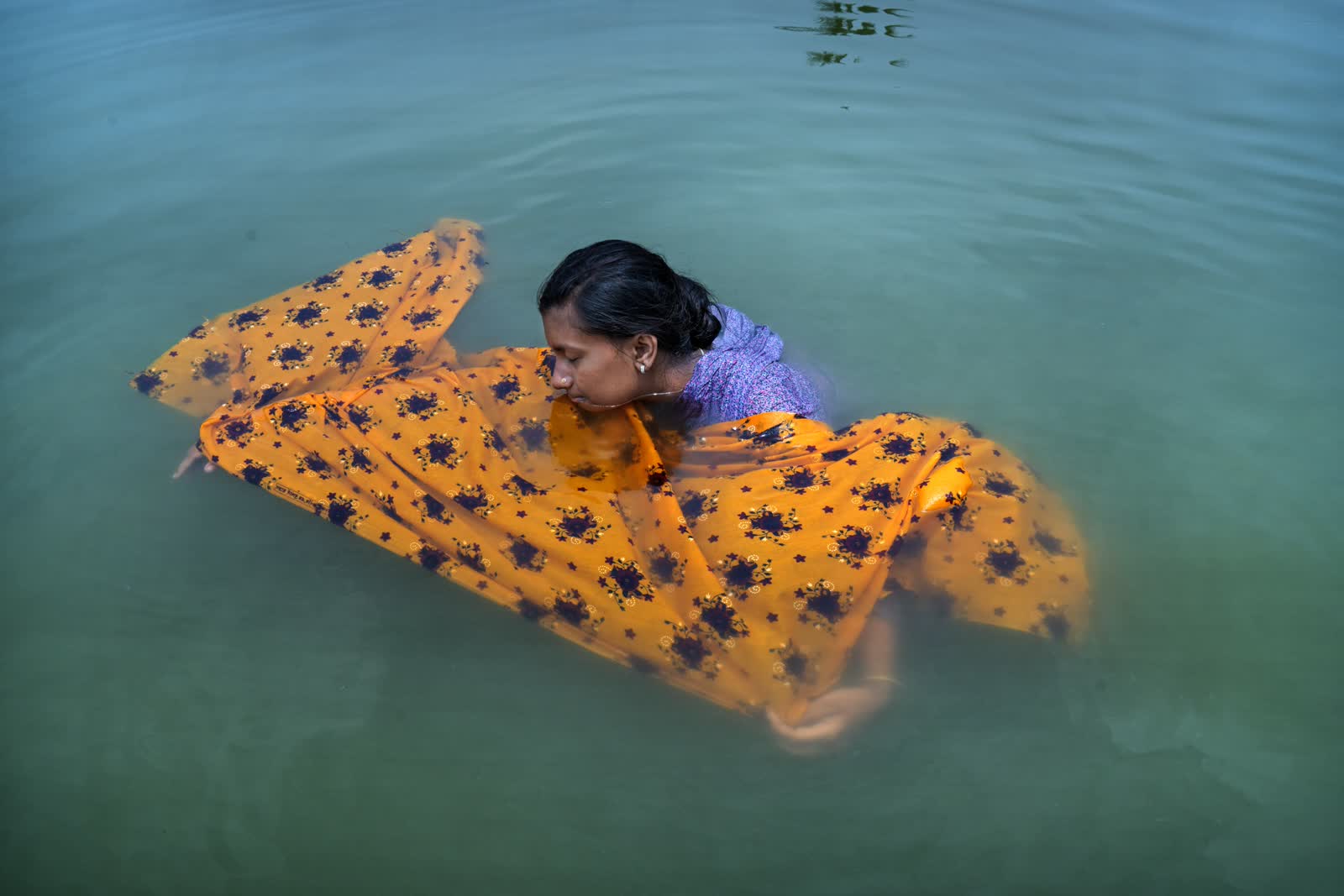
What if I told you that the most devastating wildfires, the most suffocating heatwaves, the most merciless floods—these aren’t just acts of nature, but patriarchal acts of violence? Not in the way you might think, not with a fist or a gavel, but with the slow, insidious erasure of women’s voices, bodies, and futures from the climate conversation. The climate crisis isn’t just warming the planet—it’s feminizing poverty, it’s weaponizing menstruation, it’s turning pregnancy into a gamble with a loaded die. And yet, we’re still debating whether this is a feminist issue. Let’s not mince words: it’s not just feminist. It’s a feminist emergency.
The Heat Doesn’t Discriminate—But Society Does
Picture this: a scorching afternoon in a rural Indian village. The sun is a white-hot branding iron. Men, traditionally the breadwinners, have migrated to cities for work. Women remain, tending crops, fetching water, cooking meals—all under the weight of a merciless sun. Heatwaves don’t just dehydrate bodies; they dehydrate economies. When women can’t work the fields, families go hungry. When they can’t fetch water, children get sick. And when they collapse from heatstroke, who carries their bodies? Who mourns them? The climate doesn’t care about gender, but the systems that fail them do.
In sub-Saharan Africa, where droughts are turning arable land to dust, women spend up to six hours a day walking for water. That’s six hours not in school, not in a clinic, not in a meeting where decisions are made. Six hours of their lives stolen by a crisis they didn’t create. Meanwhile, men are more likely to own land, access credit, and influence policy. The climate crisis doesn’t just expose existing inequalities—it deepens them, like a wound salted with neglect.

When the Sky Falls, the Floor Gives Way
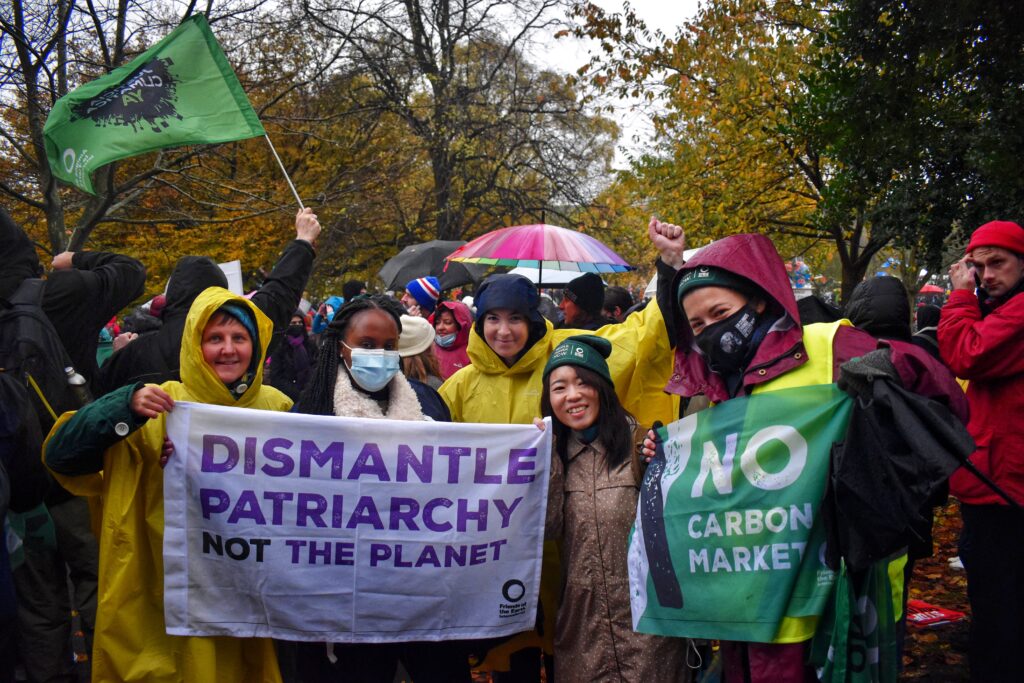
Disasters don’t just destroy homes—they destroy livelihoods, and women’s livelihoods are the most precarious. After Hurricane Maria devastated Puerto Rico in 2017, women’s labor force participation plummeted. Why? Because when the power grid failed, when the roads washed away, when the hospitals overflowed, women were the ones who stayed behind to care for the sick, the elderly, the children. Unpaid care work isn’t just undervalued—it’s a silent casualty of climate collapse.
And let’s talk about displacement. When entire communities are uprooted by rising seas or encroaching deserts, women face a brutal paradox: they’re both more vulnerable to violence in refugee camps and more likely to be excluded from resettlement decisions. A study in Bangladesh found that women displaced by floods were twice as likely to experience sexual violence as those who stayed behind. The climate crisis doesn’t just displace bodies—it displaces agency, leaving women in the crosshairs of both environmental and gender-based violence.
What’s the solution? Not just solar panels or drought-resistant crops—though those help. It’s dismantling the idea that women are passive victims. It’s recognizing that their knowledge—of seeds, of weather patterns, of community networks—is the key to resilience. When women lead climate adaptation projects, crop yields increase. When they have land rights, food security improves. When they’re at the table, the table itself becomes sturdier.
The Body as a Battleground
Climate change doesn’t just alter ecosystems—it alters bodies. Rising temperatures are making pregnancy more dangerous. Heatwaves increase the risk of preterm births, low birth weights, and stillbirths. In the U.S., Black women are already three times more likely to die in childbirth than white women. Add extreme heat to the equation, and the disparity becomes a chasm. The climate crisis isn’t just a crisis of the planet—it’s a crisis of the womb.
And then there’s menstruation. In many parts of the world, girls miss school during their periods because they lack access to sanitary products or clean water. Climate change exacerbates this: floods contaminate water sources, droughts make it harder to grow cotton for pads, and heatwaves increase the risk of infections. A girl’s education isn’t just interrupted by poverty—it’s interrupted by the climate crisis. What’s more feminist than fighting for a world where no one’s period is a barrier to their future?

But here’s the twist: climate change doesn’t just harm women’s bodies—it weaponizes them. In some communities, women are blamed for droughts or floods, accused of “offending the gods” with their mere existence. The climate crisis doesn’t just expose misogyny—it weaponizes it, turning women into scapegoats for a crisis they didn’t create.
The Unseen Labor of Care in a Dying World
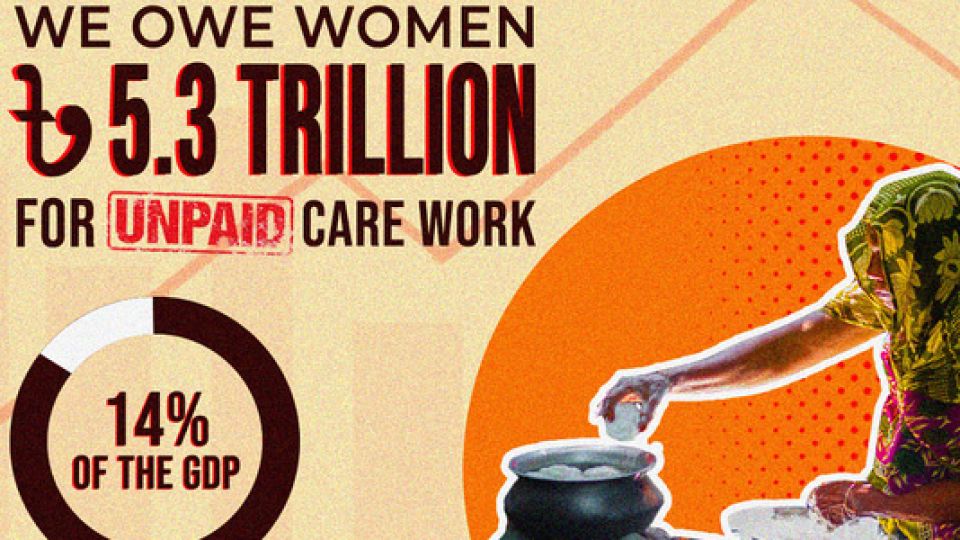
Care work is the invisible backbone of society. When hospitals overflow, when schools close, when elders need support, it’s women who step in—unpaid, unrecognized, and often unappreciated. But climate change is turning care into a luxury. Heatwaves make it harder to care for the elderly. Air pollution worsens respiratory illnesses. Food shortages strain already fragile healthcare systems. Women are expected to pick up the slack, yet their own health and safety are treated as an afterthought.
Consider the “double burden” of climate change: women are expected to adapt to environmental disasters while also maintaining the household. They’re the ones sewing masks during pandemics, the ones rationing food during droughts, the ones negotiating with armed groups for safe passage in conflict zones. And yet, when climate policies are designed, women’s voices are often the last to be heard. The result? Solutions that work for men but fail for everyone else.
What if we treated care work like the climate work it is? What if we paid women for the labor they already do? What if we recognized that their resilience isn’t just a survival tactic—it’s a blueprint for a better world? The climate crisis isn’t just about reducing emissions. It’s about redistributing power, resources, and respect.
The Challenge: Can We Afford to Wait?
Here’s the uncomfortable truth: the climate crisis is a feminist crisis because feminism isn’t just about equality—it’s about survival. And survival, in a world where the air is thick with smoke and the earth is cracking open, requires more than just good intentions. It requires action. It requires listening to women who’ve been warning us for decades. It requires funding feminist climate solutions, not just as a checkbox, but as a lifeline.
So here’s the challenge: Will we treat the climate crisis as a feminist issue before it’s too late? Or will we continue to let women bear the brunt of a disaster they didn’t cause, while men in suits debate the finer points of carbon pricing? The choice isn’t just political. It’s existential.
And if we fail? The earth will keep warming. The floods will keep rising. The women will keep suffering. But one thing is certain: the patriarchy won’t save us. Only feminism can.








Leave a Comment