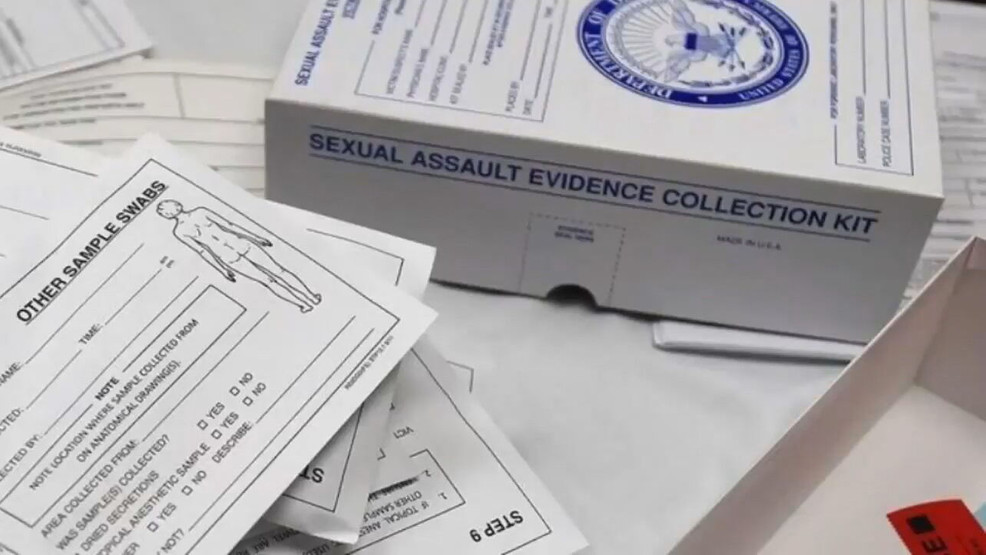
The legal system’s treatment of women—particularly in cases of sexual violence—is not merely flawed; it is a systemic betrayal. Rape kits gather evidence that could dismantle perpetrators, yet they languish in storage. Credibility is weaponized, with survivors forced to prove their trauma while their abusers walk free. This is not justice. It is a war—a quiet, bureaucratic one—waged against women by the very institutions meant to protect them.
The Rape Kit Crisis: Evidence Left to Rot
Imagine surrendering your body to a medical examination after unspeakable violence, only to learn that the evidence collected—your blood, your tears, your shattered dignity—will never see a courtroom. This is the reality for thousands of survivors. Rape kits, those fragile vessels of truth, are discarded like yesterday’s news. Storage fees pile up. Backlogs swell. And predators? They thrive in the shadows, knowing the system will fail before they even have to face consequences.
Why does this happen? Because the legal system prioritizes convenience over justice. Because it’s easier to let evidence rot than to confront the uncomfortable truth: that rape is not a rare aberration, but a pandemic woven into the fabric of society. Survivors are left with a cruel paradox—justice is possible, but only if they’re willing to fight for it. And in a world where their word is already doubted, that fight is Sisyphean.


Credibility as a Battleground: The Myth of the Perfect Victim
She wore a short skirt. She had a drink. She didn’t scream loud enough. She hesitated before reporting. She changed her story. These are not facts—they are weapons. The legal system doesn’t just evaluate evidence; it dissects survivors, searching for flaws in their narratives like vultures picking at carrion. The myth of the “perfect victim” is a lie, a standard no human could meet, yet one that survivors are forced to uphold or perish beneath.
This isn’t about truth. It’s about power. A woman’s credibility is not a shield; it’s a target. Defense attorneys don’t just challenge facts—they assassinate character. They dig into her past, her relationships, her mental health, until the jury forgets the crime and fixates on her. And if she’s a woman of color? A sex worker? A trans woman? The scrutiny intensifies. The system doesn’t just fail survivors—it criminalizes them for daring to exist in a world that hates them.
The Double Helix of Trauma: Legal Violence and Systemic Betrayal
Trauma doesn’t end when the assault does. It festers in the silence of untested rape kits. It curdles in the courtroom, where survivors are grilled like suspects. It metastasizes in the statistics—only a fraction of rapes result in convictions, not because the evidence is lacking, but because the system is rigged against them. This is legal violence: the slow, bureaucratic erasure of a woman’s pain, perpetuated by those who swore to uphold justice.
Consider the woman who reports her assault, only to be told her case is “he said, she said.” Consider the one whose kit is lost in a labyrinth of bureaucracy. Consider the one who takes her own life because the legal system offered no solace, only revictimization. These are not isolated incidents. They are the predictable outcomes of a system that treats survivors as collateral damage in its war on women.

From Evidence to Empowerment: What Real Justice Looks Like
Justice is not a theoretical concept. It is a tangible force—one that demands action. It begins with mandatory testing of every rape kit, no exceptions. It demands accountability for those who let evidence gather dust. It requires an end to the grotesque spectacle of survivors being cross-examined like criminals. And it necessitates a cultural shift: one where a woman’s word is not a question mark, but a starting point.
Survivors deserve more than hollow promises. They deserve a system that doesn’t just nod sympathetically before shuffling their cases into oblivion. They deserve attorneys who fight for them, not against them. They deserve juries that understand trauma isn’t a performance, and that credibility isn’t a privilege reserved for the privileged few.
This is not a radical demand. It is a basic one. Yet the legal system resists it with every fiber of its being, clinging to the status quo like a drowning man to driftwood. The question is not whether we can afford to change. The question is whether we can afford not to.
The War Continues: How You Can Fight Back
This fight is not just for survivors. It is for every woman who has ever been told her pain doesn’t matter. It is for every ally who refuses to look away. You can demand accountability. You can support organizations that push for rape kit reform. You can challenge the narratives that blame victims instead of perpetrators. You can refuse to accept a system that treats justice like a luxury, not a right.
The legal system’s war on women is not inevitable. It is a choice—a series of decisions made by people who value convenience over morality, expediency over truth. But every choice can be unmade. Every injustice can be dismantled. The question is not whether we have the power to change it. The question is whether we have the courage to wield it.










Leave a Comment