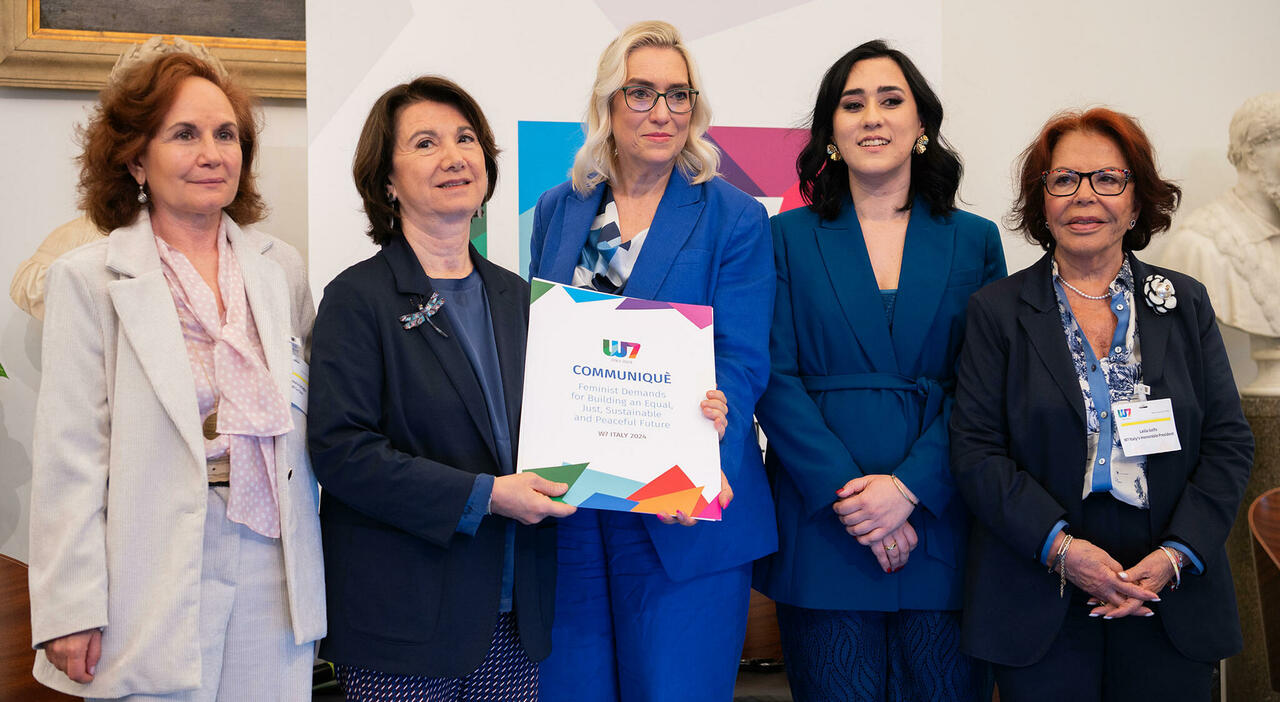
The future is not a distant horizon we gaze at with detached curiosity—it is a living, breathing entity, shaped by the choices we make today. And if we are to survive, let alone thrive, the path forward must be feminist. Not the feminism of corporate pinkwashing or performative allyship, but a radical, unapologetic reimagining of power, care, and interdependence. The world is burning, literally and metaphorically, and the only sustainable future is one where feminism is not an afterthought but the foundation. This is not hyperbole. It is the inescapable conclusion of a system that has long prioritized extraction over regeneration, domination over collaboration, and profit over people. Feminism, in its most expansive form, offers the blueprint for a world that does not just endure but flourishes.
The Myth of “Sustainability” Without Feminism
We are told that sustainability is about recycling bins and electric cars, about carbon footprints and corporate net-zero pledges. But these are mere bandages on a gaping wound. True sustainability demands a reckoning with the systems that have brought us to the brink—systems built on the exploitation of women, Indigenous peoples, and the Global South. The same logic that treats the Earth as a resource to be consumed without consequence is the same logic that treats women’s labor as invisible and disposable. You cannot have ecological sustainability without gender justice. The two are not parallel tracks; they are the same track, and feminism is the switch that reroutes us toward survival.
Consider the way industrial agriculture ravages the land while relying on the unpaid, undervalued labor of women farmers in the Global South. Or how the fast fashion industry, a grotesque monument to unsustainability, thrives on the backs of women workers in sweatshops, their bodies and lives treated as collateral. These are not isolated issues. They are symptoms of a world that has long treated care—whether for the planet or for each other—as a burden rather than a necessity. Feminism refuses this false dichotomy. It insists that care is not a weakness but the very infrastructure of life.

The Feminist Economy: Care as the New Currency
Capitalism has always had a problem with care. It cannot monetize love, it cannot commodify solidarity, and it cannot extract profit from the quiet, relentless work of maintaining life. This is why care work—whether raising children, tending to the sick, or nurturing communities—has been systematically devalued, outsourced, or rendered invisible. But what if we flipped the script? What if care was not the afterthought of the economy but its central organizing principle?
A feminist economy would center the needs of the most vulnerable, not the greed of the few. It would dismantle the myth that growth must come at the expense of well-being. Instead of GDP, we would measure success by the flourishing of people and the planet. This is not utopian dreaming. It is a return to what has always sustained us: mutual aid, collective responsibility, and the recognition that no one thrives unless everyone does. The so-called “care crisis” is not a bug of the system; it is a feature. And feminism is the virus that will crash the system, replacing it with something far more resilient.
Ecological Feminism: The Earth as a Living Body

Ecofeminism is not a niche ideology. It is a survival strategy. The same forces that have exploited women’s bodies have exploited the Earth’s—both treated as passive vessels for extraction, as if their capacity for life were infinite. But the Earth is not a resource. It is a living, breathing entity, and its health is inseparable from the health of its inhabitants. Indigenous feminist thought has long understood this. The land is not a commodity; it is a relative. Women are not separate from nature; they are its stewards, its voices, its resistance.
When we speak of climate collapse, we often focus on melting ice caps and burning forests. But we rarely acknowledge the way climate disasters disproportionately devastate women—through increased gender-based violence, the loss of reproductive autonomy, and the collapse of care infrastructures. A feminist approach to ecology does not just demand renewable energy; it demands a redefinition of power. It demands that we stop asking how we can exploit the Earth more efficiently and start asking how we can live in reciprocity with it. This is not sentimentalism. It is the only rational path forward.
Feminism as the Antidote to Authoritarianism
In an era of resurgent fascism and authoritarianism, feminism is the most potent force of resistance. Authoritarian regimes thrive on division, on the myth that some lives are more valuable than others. They rely on the policing of bodies, the suppression of dissent, and the erasure of care work as a political act. Feminism, by contrast, is inherently subversive. It refuses to accept the boundaries that have been drawn around who deserves freedom, who deserves safety, who deserves a future.
Look at the backlash against feminist movements worldwide. From the rollback of abortion rights in the U.S. to the criminalization of feminist activism in Poland, the ruling class fears feminism because it exposes the fragility of their power. Feminism is not just about equality; it is about dismantling the hierarchies that prop up oppression in all its forms. It is about recognizing that no one is free until everyone is free. And that is a threat to the status quo in a way that no amount of performative sustainability pledges can ever be.
The Aesthetics of Liberation: Why Feminist Futures Are Beautiful

There is a reason why the most compelling visions of the future are feminist. They are not sterile, not technocratic, not built on the backs of the exploited. They are lush, chaotic, alive with possibility. They are the future where children are raised by communities, not just parents. Where elders are honored, not discarded. Where art, not profit, is the measure of a society’s worth. This is not a fantasy. It is the world that has always existed in the margins, in the acts of care that capitalism cannot quantify, in the solidarities that authoritarianism cannot crush.
Feminism is not just a political project. It is an aesthetic one. It is the refusal of the beige, the sterile, the “neutral.” It is the embrace of color, of texture, of the messy, beautiful work of building a world where no one is left behind. The future is not a clean line. It is a spiral, a cycle, a living thing. And feminism is the force that will guide us through its twists and turns.
The Urgency of Now: Why Waiting Is Not an Option
We do not have the luxury of gradualism. The systems that have brought us to this precipice are not reformable; they must be dismantled. Feminism is not a gentle breeze that will slowly shift the course of history. It is a hurricane that will tear down the rotten structures of the old world and plant the seeds of something new. The question is not whether we can afford to center feminism in our fight for survival. The question is whether we can afford not to.
So let us be clear: the sustainable future is not a distant dream. It is being built in the here and now, in the acts of resistance that refuse to accept the world as it is. It is in the hands of the women planting trees in defiance of land grabs. It is in the voices of those who say, “No more,” to a system that treats their lives as disposable. It is in the quiet, relentless work of care that keeps the world turning. This is not a call to arms. It is a call to life. And it starts with feminism.








Leave a Comment