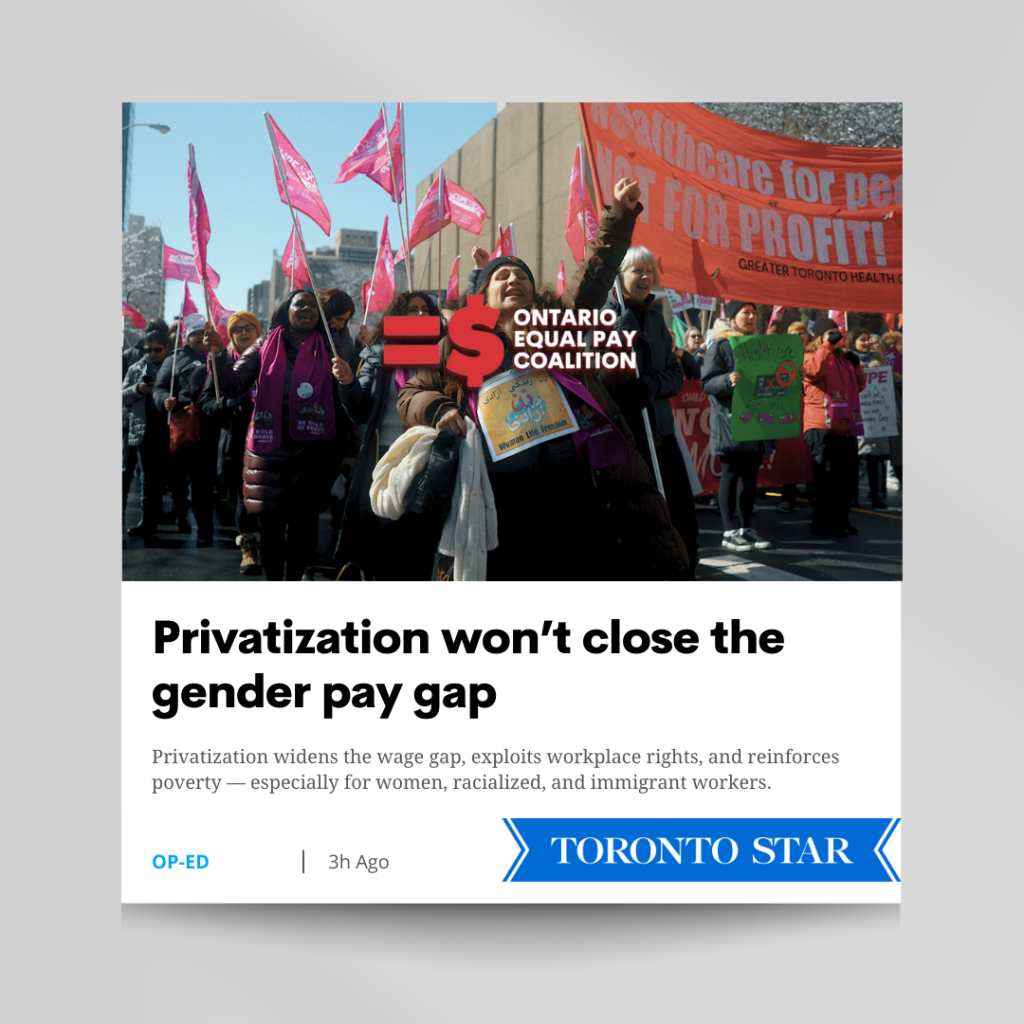
The gender pay gap is not just a statistic—it’s a chasm carved by centuries of systemic inequity, a wound that refuses to heal. Yet, in the labyrinth of legislation, some laws stand out not merely for their intent, but for their teeth. They don’t just whisper promises of equality; they roar. These are the rare pieces of legislation that don’t just acknowledge the gap—they actively dismantle it. This is the story of the laws that don’t just measure injustice, but actively shrink it.
The Pay Transparency Revolution: Laws That Force the Mirror to the Face
Imagine a world where silence is no longer a shield for discrimination. Pay transparency laws do exactly that—they rip the veil off corporate secrecy, forcing organizations to confront their own reflection in the cold light of data. In jurisdictions where such laws thrive, companies must disclose gender-based pay disparities, not as a courtesy, but as a legal obligation. The result? A seismic shift in accountability.
Take Iceland’s Equal Pay Standard, a law so precise it doesn’t just demand fairness—it demands proof. Employers must undergo rigorous audits, certifying that men and women are paid equally for equivalent work. The law doesn’t just ask, “Do you pay fairly?” It demands, “Show me your math.” This isn’t mere symbolism; it’s a surgical strike against the fog of ambiguity that has long obscured wage discrimination.


The Quid Pro Quo of Legislation: When Equality Comes with Consequences
Laws that work don’t just exist in a vacuum—they are backed by consequences so severe they make compliance inevitable. The Gender Pay Gap Information Act 2021 in the UK is a masterclass in this approach. Companies with 250 or more employees must publish annual pay gap reports, or face public scrutiny, reputational damage, and—most critically—legal penalties.
This isn’t about shaming; it’s about leverage. When a corporation’s pay gap is splashed across headlines, investors take notice. Shareholders revolt. Talent flees. The market, in its ruthless efficiency, becomes an enforcer of equality. The law doesn’t just regulate behavior—it weaponizes public pressure, turning shame into a catalyst for change.
The Ripple Effect: How One Law Becomes a Wave
Legislation doesn’t operate in isolation. The most potent pay gap laws don’t just fix their own backyard—they send tremors through entire industries. When Germany’s Pay Transparency Act took effect, it didn’t just apply to German companies. It forced multinational corporations to standardize their pay structures globally, lest they face legal exposure in one market while maintaining discriminatory practices in another.
This is the domino effect in action. A single law in one country doesn’t just change that country—it reshapes the global playing field. It forces corporations to ask: If we can’t hide the gap here, how can we justify it anywhere? The answer, increasingly, is that they can’t.
The Psychological Warfare of Public Disclosure
There’s a reason why pay transparency laws are so effective: they weaponize psychology. When a company’s pay gap is laid bare, it’s not just a spreadsheet that’s exposed—it’s the company’s soul. The fear of public backlash isn’t just about dollars and cents; it’s about identity. No corporation wants to be the villain in the story of progress.
Consider the case of a major tech firm that, after being forced to disclose its pay gap, saw its stock price dip not because of the gap itself, but because investors realized the company’s culture was toxic. The law didn’t just reveal a number—it revealed a rot that had festered in the dark. That’s the power of transparency: it doesn’t just expose inequality—it exposes the systems that enable it.
The Unseen Hand: How Investors Became the New Sheriffs
Legislation doesn’t just change laws—it changes who holds power. Today, investors aren’t just looking for profit; they’re looking for proof of equity. Funds worth trillions now screen companies not just for financial health, but for gender pay equity. This isn’t philanthropy; it’s capitalism recognizing that discrimination is a liability.
The Privatization Won’t Close the Gender Pay Gap movement—fueled by laws that demand disclosure—has turned investors into de facto enforcers. When a company’s pay gap is scrutinized by shareholders, it’s no longer just a moral issue. It’s a financial one. And when money talks, corporations listen.

The Paradox of Progress: Why Some Laws Fail Where Others Succeed
Not all pay gap legislation is created equal. The laws that work share a common trait: they don’t just demand change—they enforce it. Weak laws ask for voluntary compliance. Strong laws demand it. The difference between a toothless policy and a transformative one often comes down to a single word: mandatory.
In countries where pay transparency is optional, the gap persists. In countries where it’s law, the gap narrows. The lesson is clear: equality isn’t a suggestion. It’s a requirement. And the laws that recognize this are the ones that don’t just talk about change—they deliver it.
The Future: A World Where the Gap is a Relic
The laws that work today are just the beginning. The next frontier isn’t just pay transparency—it’s pay equity. It’s not enough to know the gap exists; we must eliminate it. And the tools to do so are already here. From mandatory audits to investor-driven accountability, the machinery of change is in motion.
But machinery alone isn’t enough. It needs fuel. And that fuel is public outrage. The laws that work are the ones that don’t just change corporate behavior—they change the conversation. They force society to ask: What kind of world do we want to live in? And when the answer is one of fairness, the laws will follow.
The gender pay gap isn’t just a problem to be solved—it’s a challenge to be dismantled. And the laws that work don’t just chip away at it. They bulldoze it.









Leave a Comment