In the vast theater of human interaction, women often find themselves both the cornerstone and the shadow—offering emotional sanctuary to others while their own emotional reservoirs quietly dwindle. This silent, relentless phenomenon—emotional labor—has long been dismissed as a mere extension of “women’s work,” invisible and undervalued. Yet, a seismic shift in perspective is overdue. What if this indispensable, exhaustive emotional support women provide is not just an act of kindness, but a battleground of unrecognized oppression? This exploration demands not only acknowledgment but a disruptive reframing of emotional labor’s place in our social consciousness.
The Silent Scaffold: Understanding the Emotional Support Women Offer
Women have historically been cast as the emotional caretakers in families, workplaces, and communities. It is not merely sympathy or sporadic comfort they provide—it is a constant, intricate scaffolding upon which relationships, institutions, and emotional well-being rest. This support ranges from consoling a distressed child to mediating a colleague’s anxiety or navigating the labyrinth of a family member’s crisis. It is an omnipresent, invisible web woven with intuition, empathy, and patience. But this scaffolding comes at a cost. The act of consistently providing emotional support requires tremendous psychological energy, often paralleled with physical exhaustion.

Yet society undervalues these acts, regarding them as natural extensions of femininity rather than demanding labor deserving recognition. It is a paradox: the more women stabilize collective emotions, the less their work is credited, and the easier it is for the structures around them to lean heavier.
The Burden Beneath the Smile: What Emotional Labor Really Entails
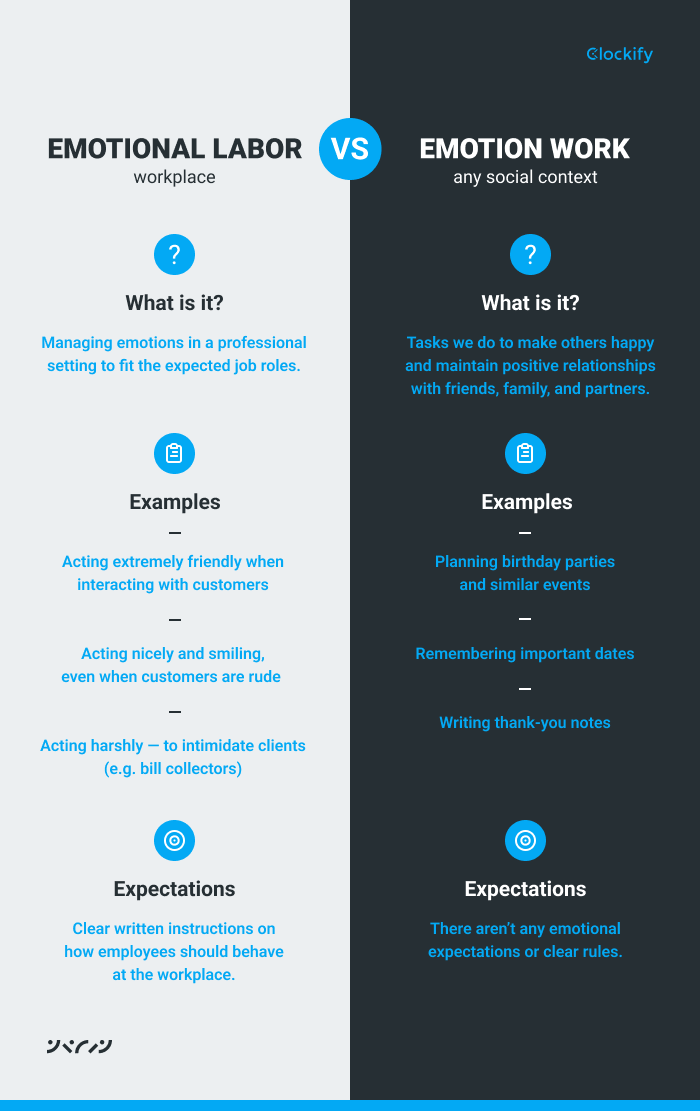
Emotional labor is not simply about feeling empathy—it is about the controlled, intentional management and modulation of one’s own feelings to meet the emotional needs of others. Unlike other forms of labor, this work is rarely accompanied by tangible rewards or rest. It demands women to suppress their own exhaustion, frustrations, or anxieties to remain a steady pillar—an “emotional diplomat” constantly negotiating the delicate balance of moods and crises. It is an endless performance of affective regulation, where failure to mask inner turmoil can be met with dismissal, or worse, accusations of being “too emotional.”

This labor is especially pernicious in the workplace, where women endure what has been termed “the extra shift.” Beyond their job descriptions, they take on the emotional caretaking roles—comforting colleagues, de-escalating conflicts, remembering personal details—that are neither recognized nor compensated. The normalization of such expectations corrodes mental health and perpetuates gender inequalities.
Emotional Labor as a Mechanism of Control and Gendered Expectation
Dismantling emotional labor’s gendered scaffold requires recognizing how deeply embedded it is in societal norms. The expectation that women must be the constant emotional providers operates as a tacit mechanism of control—where emotional work becomes a prerequisite for social acceptance and professional advancement. Women’s ability to perform this labor seamlessly often influences their evaluations in personal and professional spheres, reinforcing the stereotype that emotion is their domain.
Simultaneously, men are culturally excused from bearing this burden, further entrenching gender disparities. This asymmetry perpetuates an invisible economy where women’s emotional capital is drawn upon endlessly and without recompense, maintaining the status quo of patriarchal privilege.
Cracks in the Facade: The Consequences of Unrelenting Emotional Labor
Emotional labor is not a benign strain—it manifests as profound fatigue, heightened anxiety, and chronic stress. Women experiencing such relentless demands may face deteriorations in mental health, including depression and burnout. This invisible fatigue is magnified when compounded with other societal pressures such as unpaid domestic labor or professional responsibilities.
The emotional suppression required often results in a fracturing of selfhood, where women’s authentic emotions are subordinated to the needs of others. The cumulative effect is a dissonance that not only undermines individual well-being but destabilizes entire communities and workplaces by masking the true cost of this labor.
Redefining Value: Toward a Paradigm Shift in Recognizing Emotional Labor
The path forward demands a radical reframing of how emotional labor is valued. Recognizing it as indispensable work—complex, skilled, and exhausting—must be central to discussions on gender equity. Policies that explicitly acknowledge and compensate this form of labor in professional contexts could catalyze change. Moreover, dismantling entrenched gender norms that pigeonhole women into emotional caretaking roles can liberate individuals of all genders.
Men must be actively encouraged and expected to share the emotional workload, fostering cultures that prize vulnerability and mutual support rather than stoic detachment. Only through collective reckoning and redistribution can the oppressive undercurrents of emotional labor be weakened.
A Call to Unlearn and Reshape Emotional Expectations
This shift also implores society to unlearn the habitual invisibility of women’s emotional contributions. Confronting discomfort around emotional expression in all genders, normalizing open communication, and challenging the notion that emotional labor is “natural” for women are critical steps. Communities and organizations must foster environments where emotional labor is visible, honored, and shared equitably.
Such transformation promises not only gender justice but a reimagining of human connection itself—a world where emotional support enriches rather than exhausts, where shared humanity transcends outdated patriarchal scripts rooted in emotional exploitation.
The time has come to unravel the quiet tyranny of emotional labor and to champion the women whose strength fuels it. To do so is not merely an act of justice—it is an imperative shift toward collective liberation.









Leave a Comment