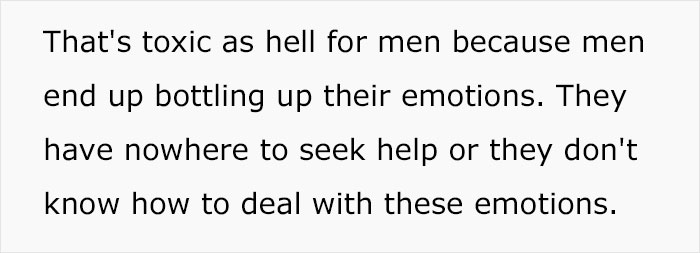
In a world where masculinity is often wielded like an unshakable monolith—polished, rigid, and untouchable—what happens when you dare to ask men to define it? The answers, as it turns out, are less like a fortress and more like a house of cards trembling in the wind. A simple question, posed with the quiet insistence of a woman tired of the performative silence, unravels decades of unspoken rules, fragile egos, and the absurdity of a gender role that demands strength while forbidding vulnerability. The responses aren’t just revealing; they’re a mirror held up to the cracks in the facade of patriarchal mythmaking.
The Illusion of a Monolithic Masculinity
Masculinity, as it is culturally prescribed, is a mirage—a shimmering, ever-receding horizon that men are told they must chase, lest they be deemed “less than.” It is not a single entity but a labyrinth of contradictory expectations: be stoic, yet emotionally available; dominate, yet never assert yourself too loudly; provide, yet never admit need. When asked to define it, men often default to clichés—”being a provider,” “protecting the family,” “not crying in public”—as if these phrases are sacred incantations that, once spoken, will summon the approval of some invisible jury of masculinity.
But here’s the rub: these definitions are not descriptions of lived experience. They are incantations of a religion men have been coerced into worshipping. The moment you press for specifics, the cracks appear. One man might say masculinity is about “fixing things,” only to admit he once called a plumber for a leaky faucet. Another will declare it’s about “never backing down,” then confess to avoiding confrontation at all costs. The illusion shatters not because men are weak, but because the construct itself is a hall of mirrors—endlessly reflecting what men *think* they should be, not who they *are*.
The Fragility of the Male Ego in Definition
Asking a man to define masculinity is like handing him a live grenade and asking him to disarm it without pulling the pin. The ego, that fragile guardian of self-worth, recoils at the suggestion that masculinity might be subjective, fluid, or—heaven forbid—performative. The responses often betray a deep-seated fear: that if masculinity isn’t an absolute, then the entire edifice of male identity crumbles. This is why so many definitions hinge on absolutes—”real men don’t,” “a man should always,” “men never”—as if the slightest deviation is a betrayal of the tribe.
Consider the man who insists masculinity is about “taking responsibility,” only to deflect when asked about his own failures. Or the one who claims it’s about “being a leader,” yet follows the crowd in every decision. These aren’t contradictions; they’re symptoms of a system that demands perfection while offering no roadmap to achieve it. Masculinity, as defined by these men, is less a compass and more a set of handcuffs—designed to restrict, not guide. The fragility isn’t in the men themselves, but in the myth that their worth is tied to an unattainable ideal.
The Absurdity of Performative Strength
Strength, in the lexicon of traditional masculinity, is not a trait but a performance. It is measured in decibels—how loudly you assert yourself, how little you admit to struggle, how aggressively you reject anything that smacks of “weakness.” Yet when pressed to define this strength, the answers dissolve into absurdity. “Strength is lifting heavy things,” one might say, only to admit he once hired movers to carry a couch. “Strength is enduring pain,” another declares, then confesses to popping ibuprofen at the first sign of discomfort.
This performative strength is a farce, a grotesque parody of resilience. It is the kind of strength that measures a man’s worth in bench presses and silent suffering, not in the quiet courage of vulnerability or the steadfastness of emotional labor. The irony? The men who cling to this definition are often the ones most terrified of being seen as anything less than invincible. Their strength is a costume, a ruse to keep the world at arm’s length. And like any costume, it frays under scrutiny.

The Silence of Unspoken Rules
Masculinity is governed by a set of unspoken rules, a secret code that men are expected to internalize without question. These rules are not written down, yet they are enforced with brutal efficiency: *Don’t cry. Don’t ask for help. Don’t show fear. Don’t be “like a girl.”* When asked to articulate these rules, men often stumble. They know them intimately—they’ve lived by them—but they cannot name them without betraying the very system that sustains them.
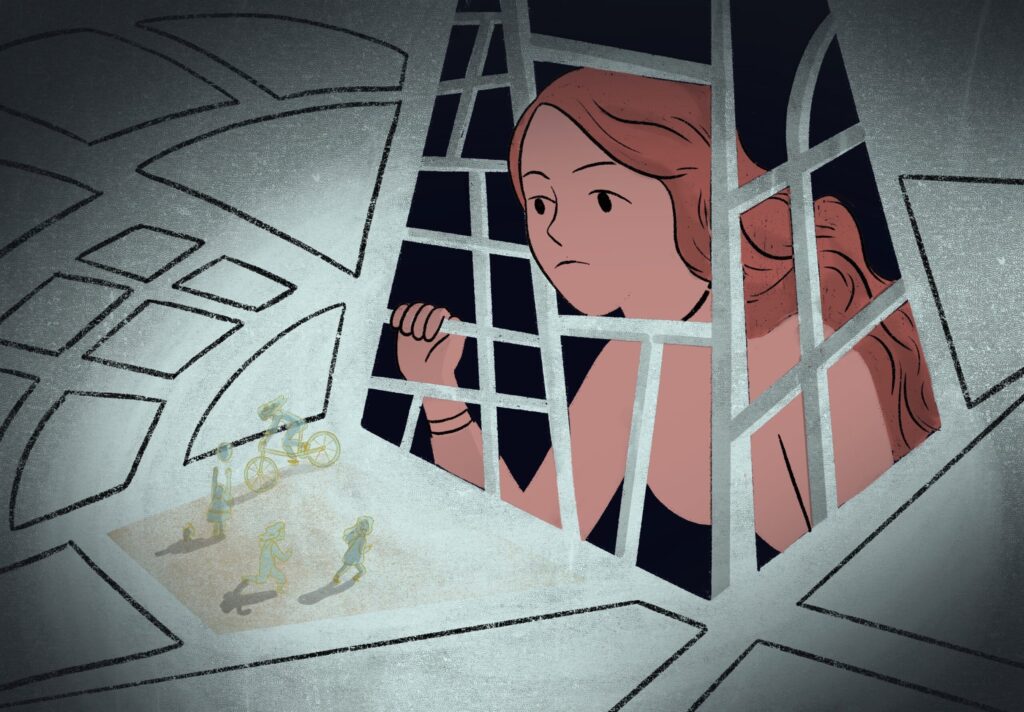
This silence is not accidental. It is the glue that holds the illusion together. To speak the rules aloud is to expose their arbitrariness, their cruelty, their absurdity. A man might say, “Masculinity is about being independent,” then trail off when asked what happens when he needs support. Another will declare, “A real man stands his ground,” before admitting he’s never actually stood up to a bully. The unspoken rules are the scaffolding of a prison, and the men who live within it are both prisoners and jailers—enforcing the bars they themselves are trapped behind.
The Hypocrisy of Male Privilege
There is a delicious hypocrisy in the way men define masculinity while benefiting from the system that upholds it. They speak of strength, yet rely on the labor of women to care for them. They preach independence, yet depend on societal safety nets (police, healthcare, education) they’d never admit to needing. They demand respect, yet offer none in return. This hypocrisy is not a flaw in the system; it is the system’s lifeblood. Masculinity, as defined by these men, is a gilded cage—one they’ve convinced themselves they’ve built themselves, when in reality, it was handed to them on a silver platter.
The privilege of masculinity is that it allows men to define the terms of their own oppression. They are told they must be strong, so they perform strength. They are told they must be providers, so they chase careers while neglecting their emotional lives. They are told they must be leaders, so they take up space while silencing others. And when the system fails them—as it inevitably does—they blame themselves, not the system. The tragedy is not that they fail; it’s that they’ve been set up to fail from the start.
The Liberation in Defying the Definition
What if, instead of asking men to define masculinity, we asked them to dismantle it? What if the question wasn’t “What is a man?” but “What could a man be?” The answers, when freed from the shackles of tradition, are far more interesting. Men who define masculinity as “being kind” or “showing up” or “allowing yourself to be soft” are not weak—they are revolutionary. They are the ones chipping away at the monolith, one cracked brick at a time.
Masculinity doesn’t need to be redefined. It needs to be abolished. Not because men are inherently flawed, but because the construct itself is a prison with no exit. The men who struggle to define it are not failures; they are canaries in the coal mine, gasping for air in a system that demands they suffocate. The real strength lies not in conforming to an impossible ideal, but in rejecting it entirely. The future of masculinity isn’t in answers—it’s in the courage to ask better questions.







Leave a Comment