Indigenous women are vanishing at an alarming rate, yet the collective voice of outrage remains hauntingly muted. These disappearances are not isolated incidents but symptoms of a structural catastrophe born from systemic racism, colonial neglect, and societal apathy. This is a crisis that demands reckoning—where is the roar of indignation that ought to flood every corner of our conscience? Unfurling the layers of this tragedy reveals a multiverse of issues: historical erasure, legal impunity, social invisibility, and cultural devastation. Here lies a call not just to witness, but to demand justice with unwavering ferocity.
The Historical Erasure of Indigenous Women
For centuries, Indigenous women have borne the brunt of colonial violence—dispossessed, displaced, and dehumanized in ways that render their plight virtually invisible. The disappearance of Indigenous women cannot be disentangled from this colonial legacy. It is a continuum of cultural genocide where their narratives are systematically erased from dominant histories. Their stories are dismissed as peripheral, their suffering muted beneath layers of official neglect and media silence.

This erasure fuels the epidemic; when society refuses to name or reckon with the systemic violence inflicted upon Indigenous women, it tacitly permits its continuation. Indigenous women are not just missing bodies—they represent the severed cultural threads weakened by centuries of intentional invisibility. Reclamation of their stories is the first step toward reclaiming justice.
Legal Impunity and Systemic Neglect
Modern institutions uphold a veneer of justice, yet beneath lurks a systemic rot: police indifference, jurisdictional entanglements, and legal inertia that combine to create a near-impenetrable fortress of impunity. Indigenous women are disproportionately victims of violence, yet their disappearances are often dismissed as lower priority cases. Law enforcement agencies frequently fail to coordinate across federal, state, and tribal jurisdictions, creating legal limbo where cases fall through cracks.

Moreover, the sheer volume of cases overwhelms already resource-starved tribal law enforcement, compounding the crisis. When crimes against Indigenous women are deprioritized or inadequately investigated, it is not mere administrative failure—it is a deliberate abdication of responsibility. This legal paralysis is a violent silencing weaponized against Indigenous communities.
Media Silencing and Public Apathy
The media industry, a powerful amplifier of societal issues, often neglects Indigenous women in stories of disappearance and violence. Their stories rarely reach front pages or prime time news. Instead, Indigenous women are framed as statistical anomalies or relegated to local coverage, ensuring the public remains numb or oblivious.
Public outrage is inextricably linked to visibility. When these brutal realities are rendered invisible, outrage withers. Social media campaigns intermittently bring attention to this crisis, but they face the overwhelming challenge of competing with the endless content that floods the digital sphere. The lack of sustained media attention fosters a culture of indifference, where Indigenous lives are not accorded the sanctity they deserve.
Intersectionality and Compounded Vulnerability
The vulnerability Indigenous women face is amplified by intersecting axes of marginalization: race, gender, socioeconomic status, and geography coalesce to create perilous conditions. Many Indigenous women live in impoverished communities, grappling with inadequate health care, lack of education, and limited economic opportunities. Remote locations isolate them from protective infrastructure, rendering escape or intervention nearly impossible when threatened.
Compounding this is the omnipresent threat of sexual violence and trafficking. Predatory networks exploit these intersectional vulnerabilities with impunity, thriving in shadows where Indigenous women’s stories are unheard. Understanding this compounded marginalization is crucial to crafting nuanced, effective responses that honor their experiences instead of simplifying their identities.
Calls for Justice and the Rise of Indigenous Activism
Despite the pervasive silence, Indigenous activists and allies have forged powerful movements demanding recognition, accountability, and transformation. Vigils, marches, and art collectives have become vibrant arenas of resistance, restoring dignity and amplifying Indigenous voices. These acts of defiance carve spaces where grief meets resilience, and mourning converges with mobilization.
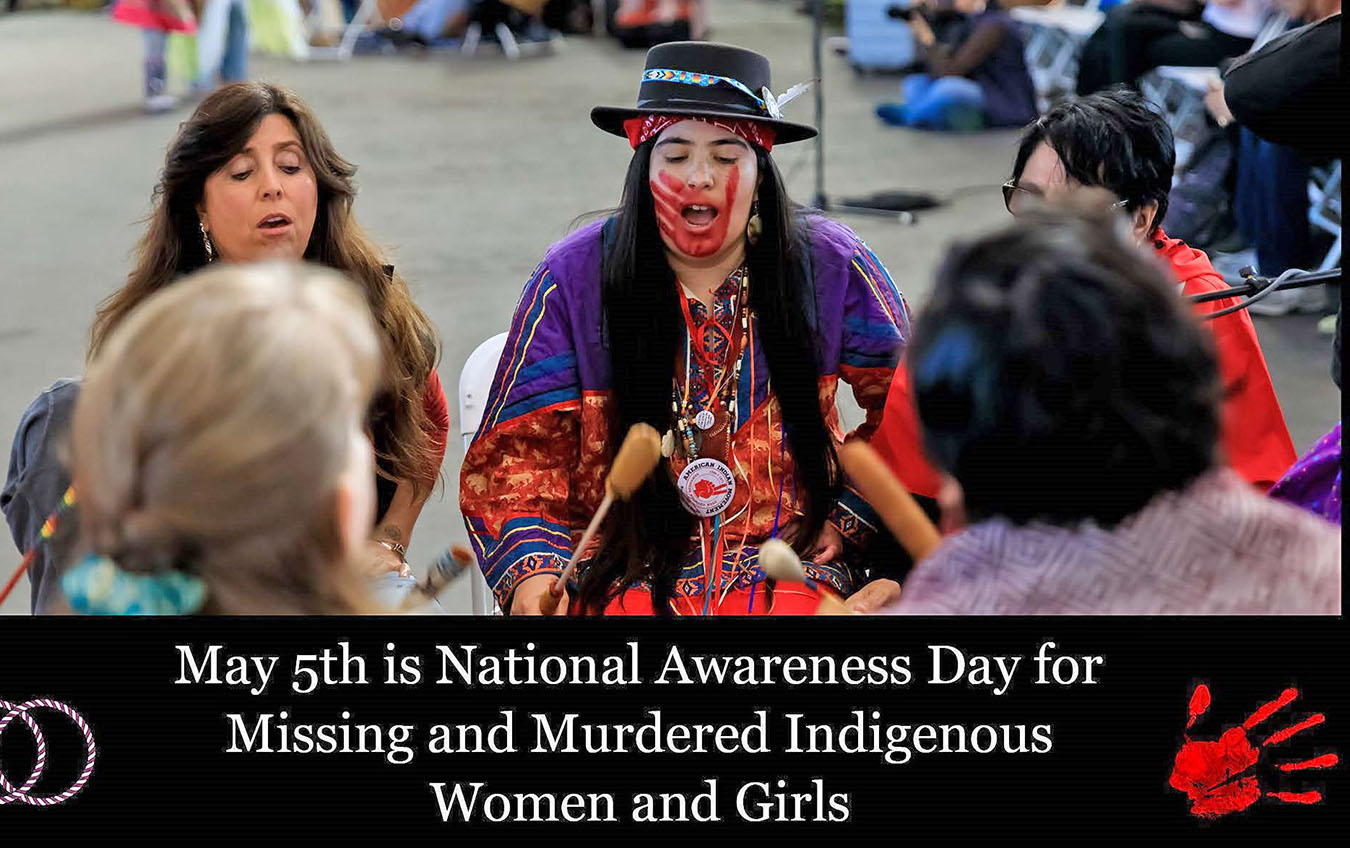
These movements demand systemic overhaul—from policy reforms to increased funding for tribal law enforcement, from federal recognition of the crisis to enhanced social services for survivors and their families. The call is not just for incremental change, but for a revolutionary commitment to justice that disrupts centuries of neglect and violence.
How Readers Can Engage and Amplify the Crisis
Passive awareness is not enough. Readers must embrace active participation in advocacy and education. This includes staying informed through Indigenous-led sources, supporting organizations that work directly with Indigenous communities, and pressing policymakers to prioritize comprehensive investigations and robust legislation.
Amplification requires challenging the myths and stereotypes that obfuscate Indigenous women’s realities. It means interrogating one’s own privilege and complicity in systems that allow these disappearances to persist unchallenged. The crisis demands neither pity nor patronage but solidarity rooted in respect and sustained action.
Conclusion: The Urgency of Reckoning
Indigenous women continue to disappear—not as an unfortunate anomaly, but as a glaring indictment of society’s moral failures. The crisis is both a symptom of historic oppression and a present-day emergency. Recognizing the depth of this issue requires more than cursory attention; it demands a reverberating outrage that propels transformative justice. To remain indifferent is to be complicit. Indigenous women’s lives are not negotiable—they are sacred.










Leave a Comment