
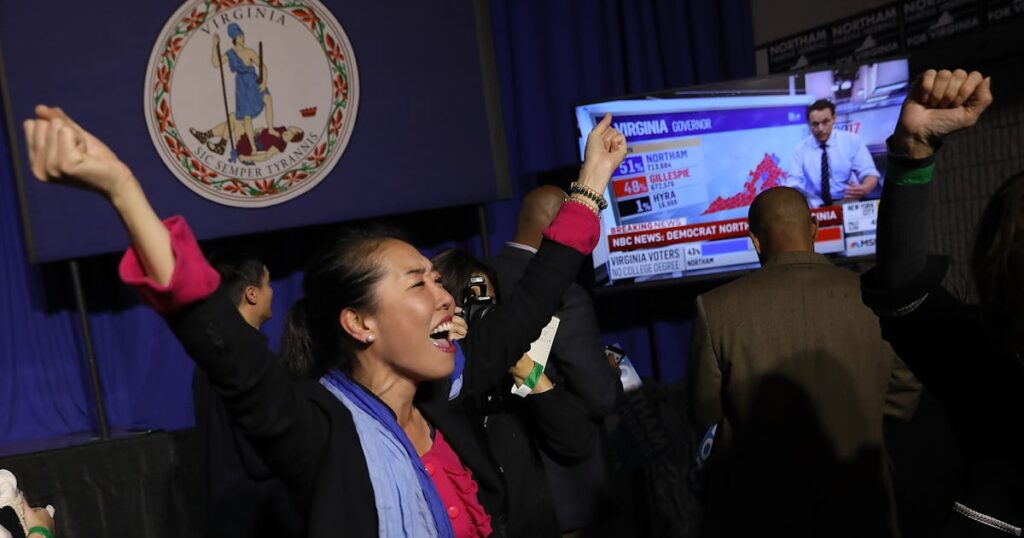
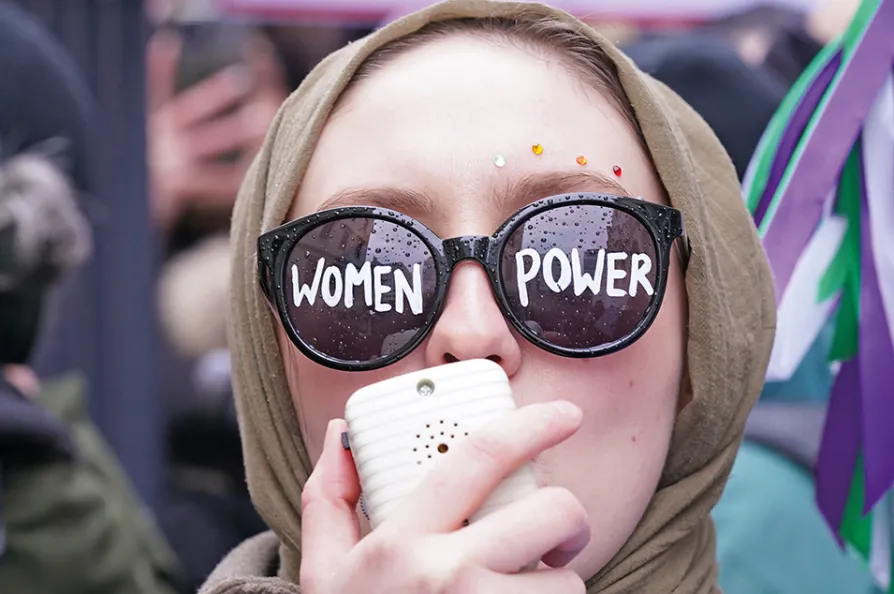
The Pink Wave crashed onto the shores of American politics with the force of a thousand suffragettes, but did it leave the beachhead we were promised? The 2018 midterms saw a tidal surge of women—over 2,000 of them—running for office, their pink-hued campaigns emblazoned with slogans of resistance and renewal. Yet, as the tide recedes, we must ask: what, truly, was the depth of the transformation? Was this a revolution or merely a ripple in the vast ocean of systemic inertia?
The Myth of the Pink Tide: Did Numbers Translate to Power?
The 2018 elections did shatter records. A record-breaking 102 women were elected to the House of Representatives, flipping the chamber blue. Women of color—Black, Latina, Indigenous—stormed the gates of Congress in numbers unseen. Yet, power is not merely about presence; it is about leverage. Did these women, in their crimson blazers and pearl necklaces, wield the kind of influence that could dismantle the patriarchal machinery grinding beneath their feet?
The answer is a resounding *maybe*. While their sheer presence shifted the Overton window, the halls of Congress remained stubbornly resistant to radical change. The Pink Wave may have brought more women to the table, but the menu was still dictated by the old boys’ club. The real test? Whether these women could translate their numerical advantage into policy that upends the status quo.

The Illusion of Progress: Did the Pink Wave Actually Move the Needle?
Progress is a mirage when viewed through the lens of electoral politics. Yes, women won seats. Yes, they brought fresh perspectives. But did they dismantle the structures that keep women—especially marginalized women—trapped in cycles of oppression? The data is murky. Studies show that women legislators introduce more bills on education, healthcare, and social welfare, but the passage rates for these bills often lag behind their male counterparts.
Worse still, the Pink Wave did little to address the root causes of gender inequality. Where were the sweeping reforms on paid leave? On reproductive rights? On the gender pay gap? The wave crashed against the rocks of institutional inertia, leaving behind only the faintest of ripples. The challenge now is to ask: was this wave merely a spectacle, or can it be the first swell of a tsunami?
The Backlash: When the Tide Turns Against Feminist Gains
Every feminist surge invites a counter-surge. The Pink Wave was no exception. As women made gains, so too did the forces of reaction. State legislatures across the country doubled down on restrictive abortion laws. The confirmation of Brett Kavanaugh to the Supreme Court was a brutal reminder that the old guard was not going quietly. The Pink Wave may have been a moment of triumph, but it was also a moment of vulnerability.
The backlash was not just political—it was cultural. Media narratives shifted from celebrating women’s political ascension to scrutinizing their competence, their appearance, their “likability.” The same women who were hailed as pioneers in 2018 were now being grilled about their “electability” in 2020. The message was clear: women could run, but they could not win on their own terms.

The Unfinished Business: What the Pink Wave Left Behind
The Pink Wave did not fail—it was incomplete. It brought women to the table, but the table itself remained unchanged. The real work lies in what comes next: organizing outside the halls of power, building movements that cannot be co-opted by the political establishment. The Pink Wave was a spark, but sparks are fleeting unless they ignite a wildfire.
Consider the women who ran in 2018 and lost. Many of them did not disappear—they doubled down. They built grassroots organizations, ran for local office, and pushed for change at the community level. This is where the Pink Wave’s legacy truly lies: not in the number of seats won, but in the number of people mobilized.
The challenge now is to ensure that the next wave does not crest and retreat, but instead carves new channels in the landscape of power. Will the next generation of feminist leaders learn from the Pink Wave’s shortcomings? Will they demand more than representation—they will demand revolution?
The Future: Can the Pink Wave Become a Tsunami?
The Pink Wave was a beginning, not an end. But beginnings are fragile things. They require nurturing, protection, and relentless pressure. The question is not whether the Pink Wave changed politics—it did. The question is whether that change will be deep enough to drown the old order.
History shows that feminist movements are cyclical. They surge, they recede, they surge again. The Pink Wave was one such surge. The next one must be different. It must be unapologetic. It must be intersectional. It must refuse to play by the rules of a game rigged against women.
So, as we stand on the shore, watching the water recede, let us ask ourselves: what will we do with the momentum? Will we let the tide pull us back into complacency, or will we wade deeper, fight harder, and demand more?
The Pink Wave taught us that women can win elections. The next wave must teach the world that women can win revolutions.







Leave a Comment