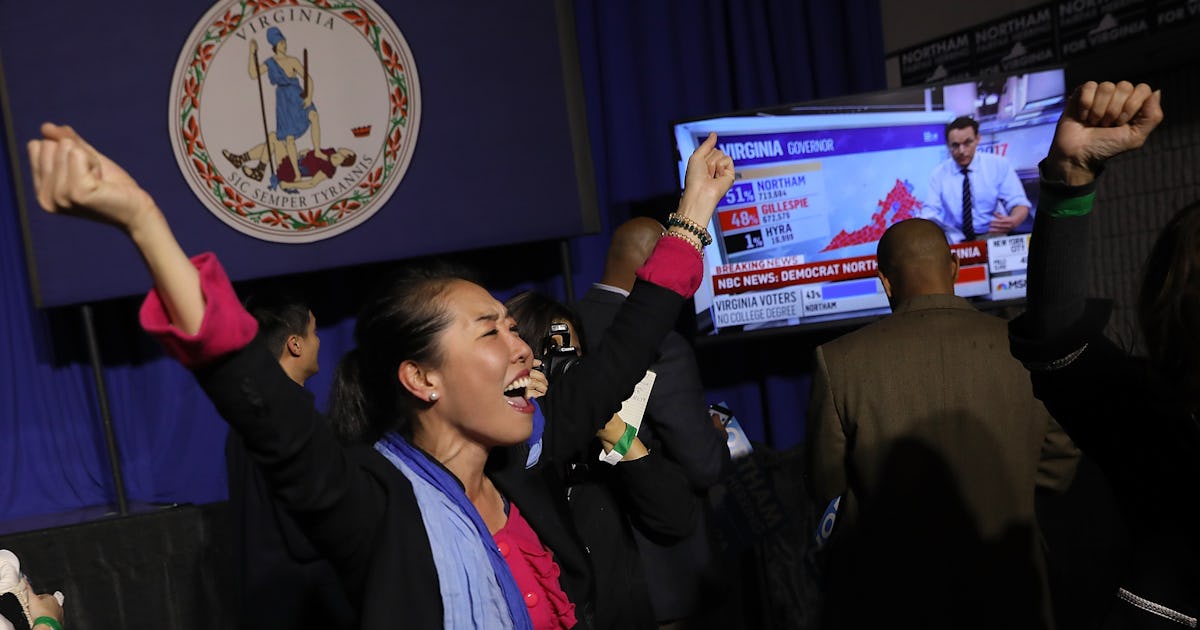
In the annals of political history, few stories resonate as powerfully as that of a woman who dared to shatter the glass ceiling—not once, but by founding a feminist political party that stormed into electoral success in its very first outing. This wasn’t just a triumph of representation; it was a seismic shift, a defiant roar against the ossified structures of power that have long dictated who gets to sit at the table of governance. The narrative of a feminist party ascending from obscurity to legislative relevance in a single electoral cycle is not merely inspiring—it’s a clarion call, a testament to the latent power of collective action when wielded with strategic precision and unyielding conviction.
The Myth of the “Impossible” and Why It Fascinates Us
There’s something almost mythic about a feminist political party winning seats in its debut election. It defies the conventional wisdom that political movements must crawl before they can run, that incrementalism is the only path to legitimacy. Yet here we are, confronted with a reality that mocks the naysayers. The fascination isn’t just in the victory itself, but in the audacity of the premise: that a party built on the radical notion of gender equity could not only survive but thrive in a landscape designed to crush such ambitions. This isn’t just politics as usual—it’s a full-throated rejection of the status quo, a declaration that the old rules no longer apply.
The allure of this narrative lies in its subversion of expectations. We’ve been conditioned to believe that systemic change is a glacial process, that progress is measured in decades, not election cycles. But when a feminist party bucks this trend, it forces us to confront an uncomfortable truth: the barriers to entry in politics aren’t just structural; they’re psychological. The very idea that such a party could succeed so swiftly challenges our collective resignation to the idea that power is a zero-sum game, reserved for those who already hold it.
The Alchemy of Grassroots Mobilization and Digital Ferocity
How does a fledgling feminist party transmute raw idealism into electoral gold? The answer lies in the alchemy of grassroots mobilization and digital ferocity—a combination that turns apathy into activism and converts skepticism into solidarity. The party didn’t just knock on doors; it built a movement from the ground up, tapping into the simmering discontent of women who had long been sidelined in political discourse. But mobilization alone isn’t enough. In an era where attention spans are shorter than ever, the party harnessed the power of digital organizing with a precision that bordered on sorcery. Social media wasn’t just a tool; it was a battleground, a space where narratives were shaped, dissent was amplified, and solidarity was forged in real time.
Consider the viral campaigns, the meticulously crafted manifestos that spoke directly to the lived experiences of women, the relentless engagement with communities that had long been ignored by mainstream politics. This wasn’t politics as performance; it was politics as a living, breathing organism, one that grew organically from the needs and frustrations of those it sought to represent. The party didn’t just campaign—it catalyzed a cultural shift, turning the act of voting into a feminist act, a defiant assertion of agency in a world that too often treats women’s voices as an afterthought.

The Electoral Earthquake: Seismic Shifts in Representation
The first election results were nothing short of an electoral earthquake, sending shockwaves through the political establishment. The party didn’t just win seats—it redefined what was possible, proving that a feminist agenda wasn’t a fringe concern but a mainstream demand. The numbers told a story of seismic change: women who had never before seen themselves reflected in their representatives now found themselves at the helm of a movement that spoke their language. The victory wasn’t just numerical; it was symbolic, a public rebuke to the idea that feminism was a niche interest rather than a universal imperative.
But the real victory lay in the composition of those seats. The party didn’t just elect women—it elected women from marginalized communities, women who carried the intersecting burdens of race, class, and identity. This wasn’t tokenism; it was a deliberate dismantling of the hierarchies that have long dictated whose voices matter in politics. The message was clear: feminism wasn’t just about gender. It was about justice, about dismantling the systems that perpetuate inequality in all its forms. The electoral success wasn’t just a win for the party—it was a win for intersectionality, a rebuke to the monolithic narratives that have long dominated political discourse.
The Backlash: When Progress Begets Paranoia
Of course, no revolution is complete without its counter-revolution. The feminist party’s success didn’t just inspire admiration; it provoked a backlash so visceral it bordered on the pathological. Critics dismissed the party as a “single-issue” movement, as if the fight for gender equity were somehow less urgent than the fights for economic or national security. Others resorted to outright misogyny, framing the party’s victories as a threat to the natural order. The backlash wasn’t just political—it was personal, a desperate attempt to claw back the power that was slipping through their fingers.
But the backlash revealed something deeper: the fragility of the systems that have long upheld patriarchal power. When a feminist party wins seats, it isn’t just a political shift—it’s an existential threat to those who have benefited from the status quo. The vitriol directed at the party wasn’t just about policy; it was about fear. Fear of losing control. Fear of being held accountable. Fear of a world where women’s voices aren’t just heard but heeded. The backlash wasn’t a sign of weakness; it was a testament to the party’s potency. It proved that the movement had struck a nerve, that it was disrupting the very foundations of a system that had long operated without consequence.
The Ripple Effect: How One Victory Reshapes the Political Landscape
The impact of the feminist party’s electoral success extended far beyond the seats it won. It sent a shockwave through the political establishment, forcing other parties to reckon with the demands of feminist voters. Suddenly, issues that had long been sidelined—reproductive rights, pay equity, gender-based violence—were no longer optional talking points but non-negotiable priorities. The party didn’t just change the conversation; it changed the terms of engagement, proving that feminism wasn’t a fringe ideology but a mainstream necessity.
But the ripple effect went deeper still. The party’s success inspired a new generation of feminist organizers, proving that politics wasn’t just a game for the establishment but a space where radical change could be wrought. Women who had never considered running for office now saw themselves as potential leaders. Communities that had long been ignored by mainstream politics now had a blueprint for how to demand accountability. The victory wasn’t just a moment in time; it was a catalyst, a spark that ignited a thousand fires.
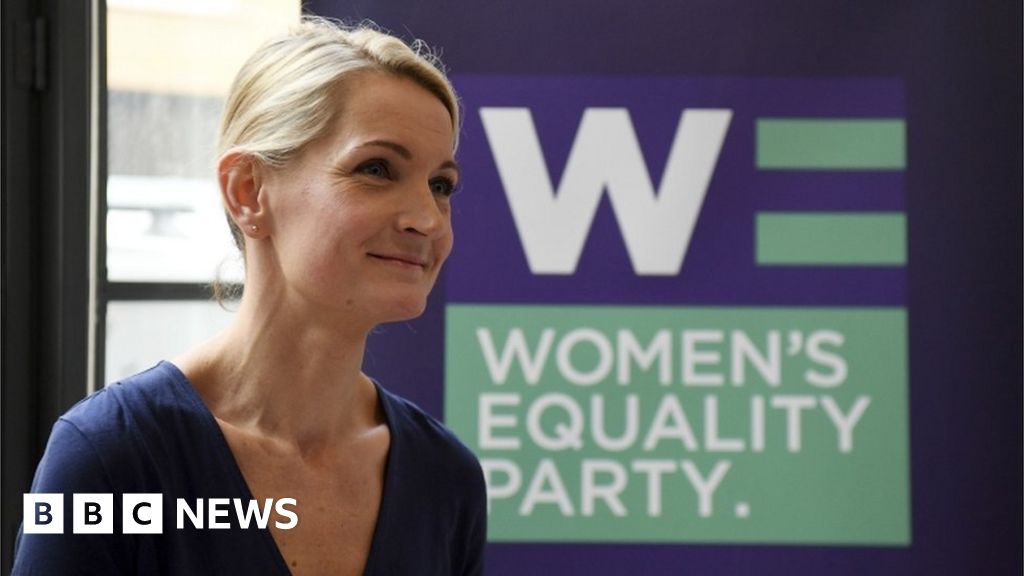
The Unfinished Revolution: What Comes Next?
Yet for all its triumphs, the feminist party’s journey is far from over. The seats won in the first election were just the beginning—a beachhead in a much larger struggle. The real work lies in translating electoral success into lasting systemic change. How will the party hold its representatives accountable? How will it ensure that its victories aren’t just symbolic but transformative? The answers to these questions will determine whether this is the beginning of a revolution or just another footnote in the history of incremental progress.
The unfinished revolution is a reminder that politics isn’t a destination but a journey. The feminist party’s success was a milestone, not a conclusion. The road ahead is fraught with challenges—entrenched opposition, the inertia of bureaucratic systems, the ever-present risk of co-optation. But the party’s very existence is a testament to the power of persistence, of the belief that another world is possible. The question isn’t whether the revolution will continue—it’s how far it will go.
The story of a feminist party winning seats in its first election isn’t just a political triumph. It’s a cultural earthquake, a rebuke to the idea that change is impossible. It’s a reminder that when women organize, when they demand their rightful place in the halls of power, the world has no choice but to listen. The revolution may not be televised, but it is being waged—and it is unstoppable.










Leave a Comment