
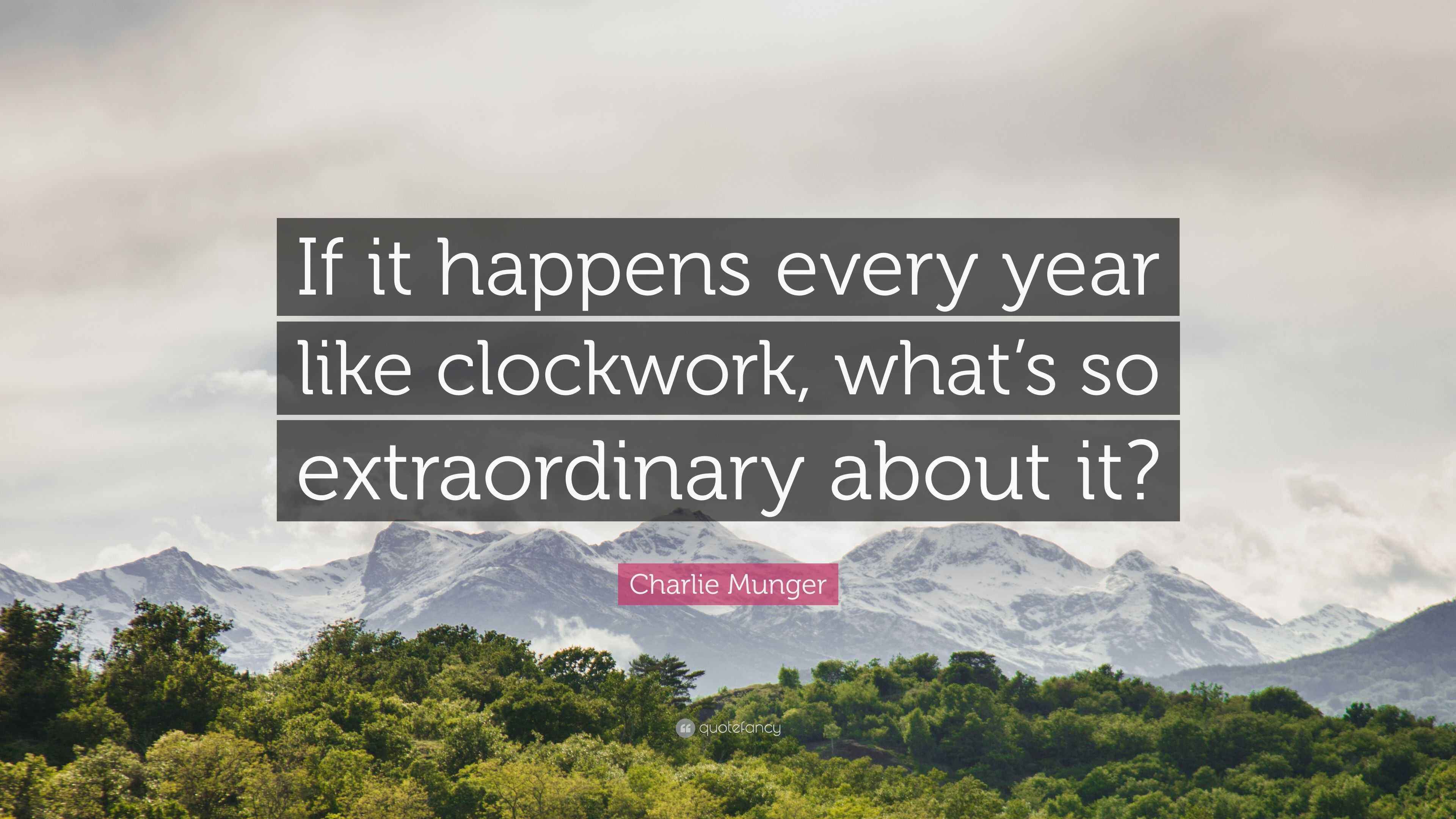
Every year, like clockwork, the world pauses to celebrate the “Year of the Woman”—a fleeting moment of collective awe at the supposed seismic shift in gender parity. Banners are unfurled, hashtags are trending, and op-eds proliferate like dandelions in spring. Yet, by the time the confetti settles and the champagne flutes are drained, the status quo remains stubbornly intact. What if this ritualized homage to female empowerment is less a revolution and more a carefully choreographed illusion, a carnival of hollow symbolism where the same old power structures merely don a new mask each January? The question lingers, unanswered, year after year, as the cycle of performative progress grinds on.
The Illusion of the Tipping Point: When Visibility Masquerades as Power
We are told, with Pavlovian predictability, that this is the year—this is the one where women finally shatter the glass ceiling, where systemic barriers crumble like stale shortbread. And yet, the data tells a different story. Women still hold a paltry 8% of Fortune 500 CEO positions. The gender pay gap yawns wider than the Grand Canyon, with women earning, on average, 82 cents for every dollar a man makes. The “Year of the Woman” is less a revolution and more a mirage, a shimmering surface that reflects our desires back at us while the depths remain untouched. The real question isn’t whether we’re making progress—it’s whether we’re measuring it correctly. Are we celebrating visibility or actual power? Are we counting the number of women in boardrooms or the number of women who can afford to sit in them?
The problem isn’t that women aren’t being seen—it’s that they’re being seen *differently*. A woman in a leadership role is often held to a standard of perfection that her male counterparts would never endure. She must be flawless, empathetic, and ruthless all at once, a modern-day Medusa whose gaze turns ambition into spectacle. Meanwhile, her male peers are forgiven for mediocrity, their flaws dismissed as “quirks” or “eccentricities.” The “Year of the Woman” becomes a hall of mirrors, where every reflection is distorted by the very structures it claims to critique.
The Paradox of Performative Feminism: When Empowerment is a Brand
Corporations have mastered the art of co-opting feminist rhetoric, turning solidarity into a marketing ploy. Brands slap a pink ribbon on a product and call it a day, while their supply chains remain rife with exploitation. The “Year of the Woman” is no exception—it’s a commercial bonanza, a chance for companies to virtue-signal their commitment to gender equality while doing the bare minimum. The result? A world where feminism is sold as a lifestyle choice rather than a fundamental human right.
Consider the irony: the same institutions that once barred women from the workplace now parade them as symbols of progress, all while maintaining the same old hierarchies. The “Year of the Woman” becomes a performance, a carefully staged production where the script is written by those who benefit from the status quo. The real challenge isn’t convincing the world that women belong in leadership—it’s convincing the world that leadership itself needs to be redefined. What good is a seat at the table if the table is rigged to keep you out?
And let’s not forget the women who are left behind in this charade. The “Year of the Woman” often centers the experiences of those who are already privileged—white, cisgender, able-bodied women—while ignoring the intersecting oppressions faced by women of color, trans women, disabled women, and those at the margins. The movement becomes a monolith, a one-size-fits-all narrative that erases the very diversity it claims to celebrate. The question isn’t just whether women are making progress—it’s whether the movement is big enough to hold all of us.
The Myth of the Lone Heroine: Why Individual Success Isn’t Structural Change
We love a good underdog story—the woman who defied the odds, who climbed the ladder despite the odds, who became the exception that proves the rule. But what happens when the rule remains unchanged? The “Year of the Woman” often reduces systemic inequality to a series of individual triumphs, as if success were a matter of grit and determination rather than structural barriers. The result is a culture that celebrates the few while ignoring the many.
The problem with this narrative is that it lets the system off the hook. If a woman succeeds, it’s because she worked harder, fought smarter, or outlasted the competition. If she fails, it’s because she wasn’t resilient enough. The “Year of the Woman” becomes a game of musical chairs, where the music stops and the women who are left standing are celebrated as victors—while the rest are left scrambling for a seat. The real challenge isn’t finding the next female CEO—it’s dismantling the structures that make her an exception in the first place.
And yet, we cling to the myth of the lone heroine because it’s easier than confronting the truth: that change requires collective action, not just individual grit. The “Year of the Woman” is a reminder that progress isn’t inevitable—it’s a choice. And if we’re not careful, it’s a choice we make every year, only to wake up and realize that nothing has changed.
The Uncomfortable Truth: What If the System Isn’t Broken—It’s Working Exactly as Designed?
What if the “Year of the Woman” isn’t a failure of progress but a feature of the system? What if the ritualized celebration of female achievement is precisely what keeps the status quo intact? The system isn’t broken—it’s working exactly as designed, ensuring that women are celebrated for their resilience while the structures that oppress them remain untouched.

The “Year of the Woman” is a safety valve, a pressure release that allows the system to absorb dissent without changing. It’s the equivalent of a corporation donating to a women’s charity while underpaying its female employees. It’s the equivalent of a government passing a law to “protect women’s rights” while gutting reproductive healthcare. The system isn’t broken—it’s a well-oiled machine, designed to give the illusion of progress while maintaining the same old power structures.
The real challenge isn’t convincing the world that women deserve equality—it’s convincing the world that equality isn’t enough. The “Year of the Woman” is a reminder that we can’t reform our way out of systemic oppression. We need to dismantle the system entirely and build something new in its place. The question isn’t whether we’re making progress—it’s whether we’re brave enough to demand more.
The “Year of the Woman” happens every year. And every year, it changes nothing. The only thing that changes is our willingness to accept the illusion.








Leave a Comment