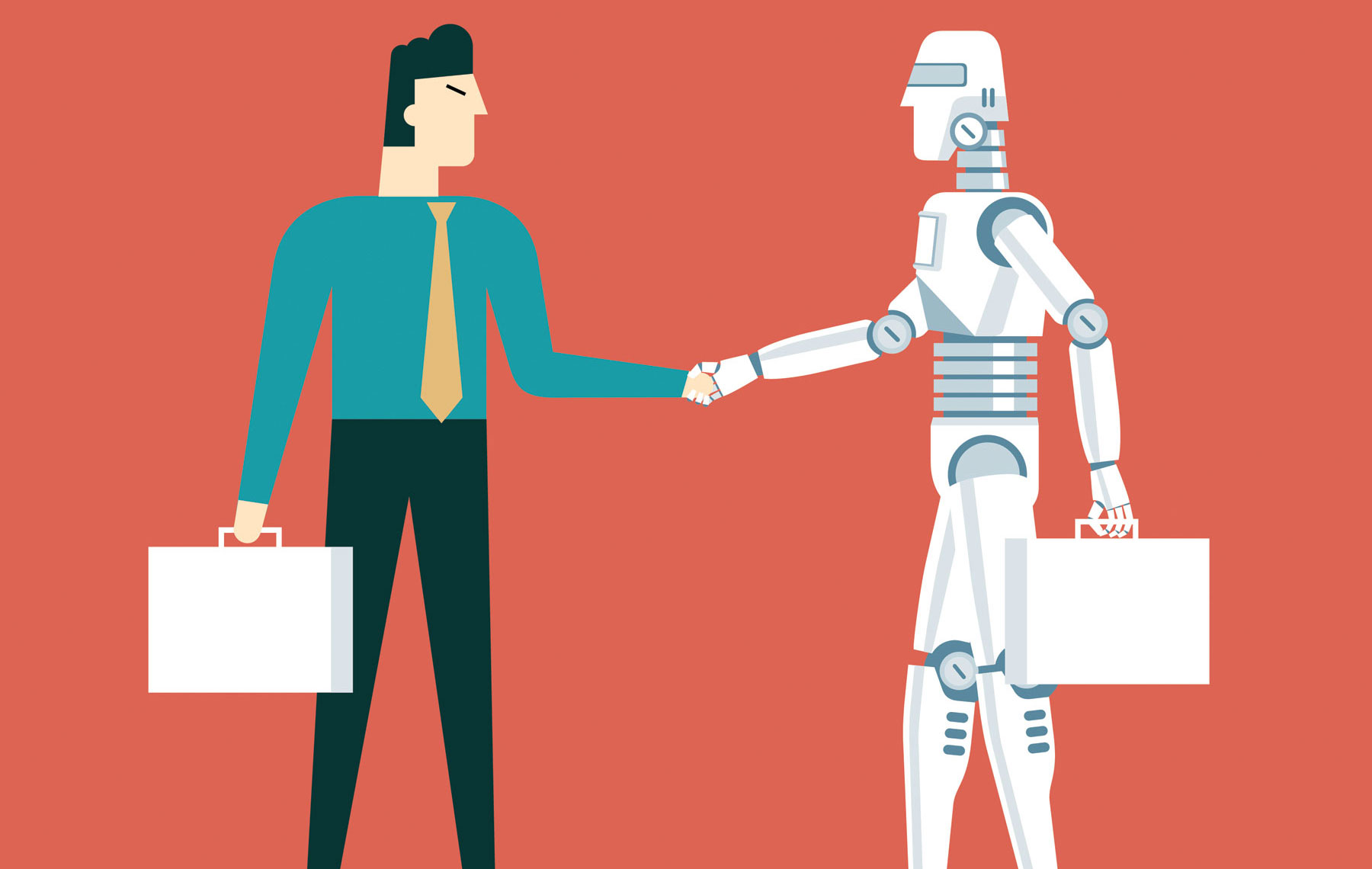
The silent revolution is not coming. It has arrived, and it is rewriting the rules of labor with the cold precision of a machine. Automation, that glittering promise of progress, is not a neutral force—it is a mirror reflecting the biases of those who design it. And right now, that mirror is cracked, warped by the hands of a system that has long undervalued the labor of women. The automation gap is not just a statistic; it is a chasm, and women are falling into it while men are building the bridges.
The Invisible Labor That Powers the Machine
Consider the unpaid work that has sustained economies for centuries: the care of children, the tending of homes, the emotional labor of keeping families and communities intact. These are not tasks that algorithms can easily replicate—yet. But the automation wave is not waiting for permission. It is sweeping through industries where women have historically been concentrated: retail, administration, education, healthcare. These are not “low-skilled” jobs; they are the backbone of society, the invisible scaffolding that holds everything together. Yet when machines are trained on datasets that exclude the nuances of this labor, the result is not innovation—it is erasure.
Imagine a robot designed to replace a cashier. It is fed thousands of images of hands passing items across a counter, but the dataset is skewed toward male hands—larger, stronger, less likely to be adorned with rings or nail polish. The result? The robot struggles with the dexterity required for tasks like bagging groceries or handling delicate items. Now imagine the same robot trained on the hands of women, the ones who have spent lifetimes perfecting the art of multitasking between work and home. The difference is not in the hardware, but in the data. And who controls the data? The same people who have always controlled the narrative.
The Ghost in the Machine: Bias Woven into Code
Algorithms are not neutral. They are the product of human choices, and those choices are steeped in centuries of patriarchal assumptions. When a hiring algorithm is trained on resumes submitted over the past decade, it learns to favor names that sound male, degrees from prestigious institutions that have historically excluded women, and career paths that align with traditional male trajectories. The result? Women are filtered out before they even get a chance to compete.
But the bias runs deeper. In industries where women are overrepresented—like nursing or teaching—automation is not just replacing jobs; it is redefining them. A robot nurse might be programmed to prioritize tasks based on efficiency, not empathy. A chatbot might be designed to handle customer service inquiries, but it lacks the emotional intelligence to de-escalate a crisis or offer comfort to a grieving patient. The machines are not failing; they are succeeding at what they were taught to do. And what they were taught is that women’s labor is secondary, expendable, a variable to be optimized away.
The Automation Paradox: Efficiency at What Cost?
Efficiency is the holy grail of modern capitalism. But at what point does efficiency become exploitation? When a company replaces 500 call center workers—disproportionately women—with a chatbot, it is not just cutting costs. It is erasing livelihoods, severing communities, and reinforcing the idea that some lives are worth less than others. The automation gap is not just about who loses their job; it is about who gets to decide what a job is worth in the first place.
Consider the gig economy, where women make up a significant portion of workers in roles like ride-hailing, food delivery, and care services. These jobs are already precarious, lacking benefits, stability, or recognition. Now, as automation encroaches, the question is not whether these jobs will disappear, but how quickly. Will the next generation of delivery drones be programmed to prioritize speed over safety? Will the algorithms that route rides be optimized for profit, not for the well-being of the drivers? The answer is already written in the code—and it is not kind to women.
The Future of Work: A Battlefield of Broken Promises
The narrative of automation is often framed as a story of liberation: machines will do the dirty work, freeing humans to pursue creativity, leisure, even enlightenment. But this is a lie. The reality is that automation is not liberating anyone. It is concentrating power in the hands of those who already have it, while the most vulnerable are left to pick up the pieces. Women, who have long been the shock absorbers of economic crises, are once again being asked to bear the brunt of change.
What does the future of work look like for women? It looks like a world where their labor is either automated out of existence or reduced to the lowest common denominator of efficiency. It looks like a world where the skills they have spent lifetimes honing—empathy, adaptability, resilience—are deemed irrelevant by the cold logic of machines. It looks like a world where the only jobs left for women are those that cannot, yet, be automated: the care work, the emotional labor, the invisible work that keeps society functioning but is never acknowledged in GDP reports.
The Rebellion in the Code: Can We Reclaim the Future?
There is a way out of this dystopia, but it will require more than just better algorithms. It will require a fundamental shift in who gets to decide what work is valuable. It will require policies that protect workers from the whims of unchecked automation. It will require a reckoning with the fact that the future of work cannot be built on the backs of those who have been exploited for centuries.
Women must be at the table when these decisions are made. Not as tokens, not as afterthoughts, but as the architects of a new economy. The machines are not the enemy. The enemy is the system that treats women’s labor as disposable. The solution is not to resist automation, but to demand that it be designed with justice in mind. That means diversifying the teams that build these systems. That means valuing the skills that women bring to the table. That means refusing to accept a future where the only jobs left for women are the ones that machines cannot yet do.
The automation gap is not inevitable. It is a choice—and we can choose differently.








Leave a Comment