
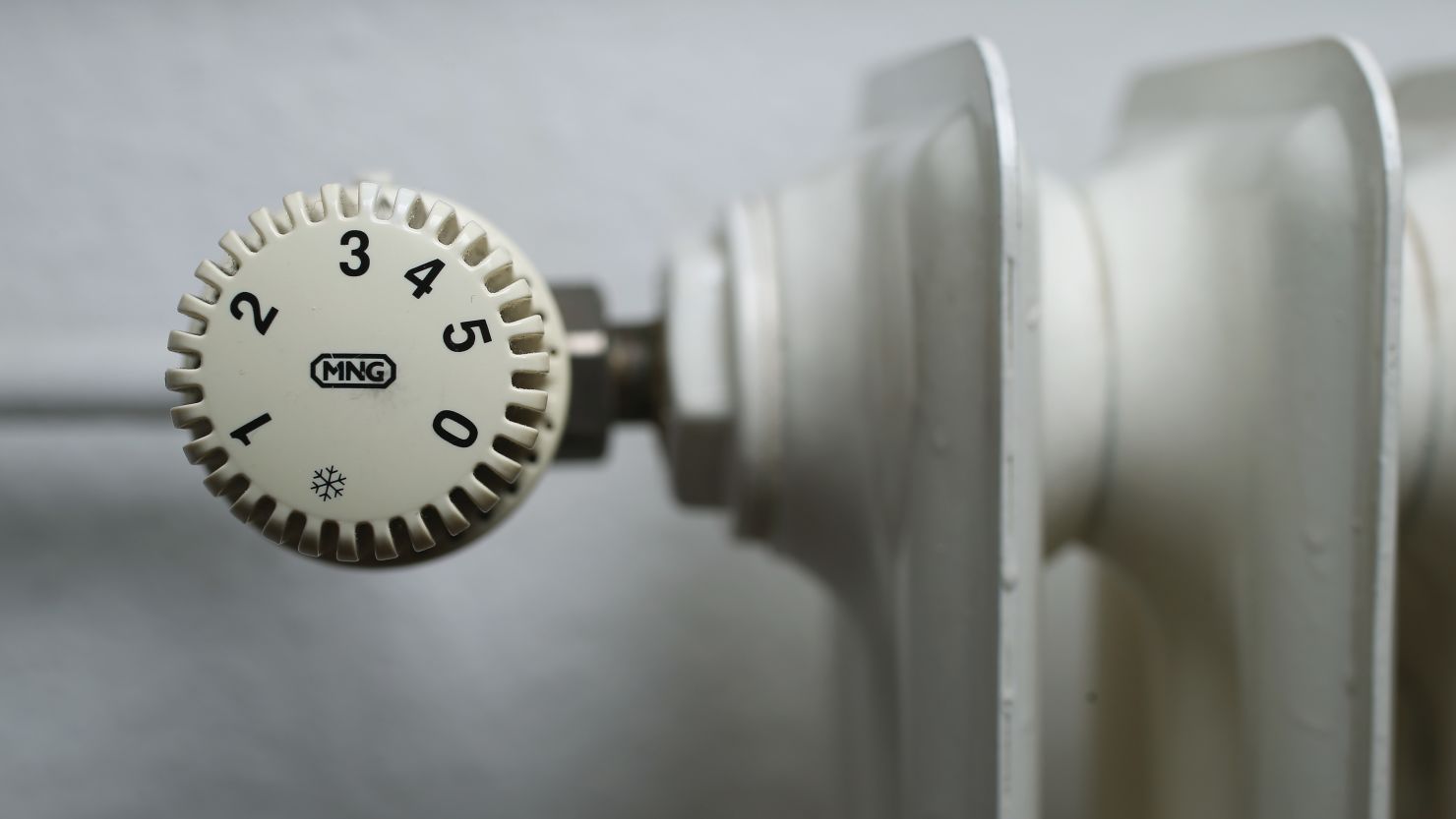
The thermostat in your office isn’t just a dial on the wall—it’s a silent arbiter of power, productivity, and, yes, patriarchy. For decades, the default office temperature has been calibrated to the metabolic needs of a 1960s man: a 70-kilogram, 40-year-old office worker whose body runs cool. The result? A climate-controlled environment that leaves women shivering in cardigans while men stroll in short sleeves, their productivity metrics conveniently unexamined. But what if the real productivity killer isn’t the temperature itself, but the stubborn refusal to acknowledge that half the workforce has been freezing in the name of corporate comfort?
The Myth of the Universal Comfort Zone
Science has long treated the “ideal” office temperature as a monolithic truth, a one-size-fits-all edict handed down from the air-conditioning gods. Yet this myth crumbles under scrutiny. Studies reveal that women, on average, prefer temperatures 2-3°C warmer than men—a disparity rooted in physiological differences. Women tend to have lower metabolic rates, higher body fat percentages, and more efficient heat dissipation. Yet corporate environments, designed by and for men, enforce a chill that borders on occupational harassment. The thermostat becomes a tool of exclusion, a daily reminder that women’s bodies are an afterthought in the spaces they occupy.
Consider the irony: a woman bundled in a blanket at her desk while her male colleague lounges in a t-shirt is not just a cliché—it’s a systemic failure. The discomfort isn’t incidental; it’s engineered. And when women adjust the thermostat, they’re often met with resistance, their requests dismissed as “too sensitive” or “irrational.” The message is clear: adapt, or be labeled difficult.
The Productivity Paradox: Cold Women, Warm Data
Corporate culture worships productivity metrics, yet it ignores the glaring contradiction: women in colder offices make more errors, take longer to complete tasks, and report higher stress levels. Research from Cornell University found that women in chilly offices made 44% more mistakes than their male counterparts. Yet instead of questioning the temperature, the blame is shifted—women are told to “toughen up,” to “layer up,” to grin and bear it. The real culprit? A workplace designed by men, for men, where women’s bodies are an inconvenience.
This isn’t just about comfort—it’s about control. The thermostat is a microcosm of broader workplace dynamics, where women’s needs are sidelined in favor of male-centric standards. When a woman adjusts the thermostat, she’s not just changing the temperature; she’s challenging a system that prioritizes male comfort over female efficiency. And in a world where women are already fighting for recognition in male-dominated fields, the thermostat becomes one more battleground.
The Climate Crisis of the Office: A Feminist Lens
Climate change isn’t just about melting glaciers and rising sea levels—it’s also about the microclimates we create in our workplaces. The office thermostat is a tiny, daily reminder of how deeply gender bias is embedded in our infrastructure. When women are forced to endure freezing temperatures, it’s not just a personal inconvenience; it’s a symptom of a larger failure to account for diversity in design. The same logic applies to lighting, seating, and even dress codes—systems built by men, for men, that leave women struggling to fit in.
But here’s the twist: the solution isn’t just about raising the temperature. It’s about dismantling the assumption that there’s a “one-size-fits-all” solution at all. Why should women have to adapt to a system that wasn’t built for them? The answer lies in rethinking workplace design from the ground up—literally. Offices should be flexible, adaptable spaces where temperature, lighting, and even furniture can be customized to individual needs. Because if the goal is productivity, why are we sacrificing half the workforce in the name of convenience?
The Power of Collective Action
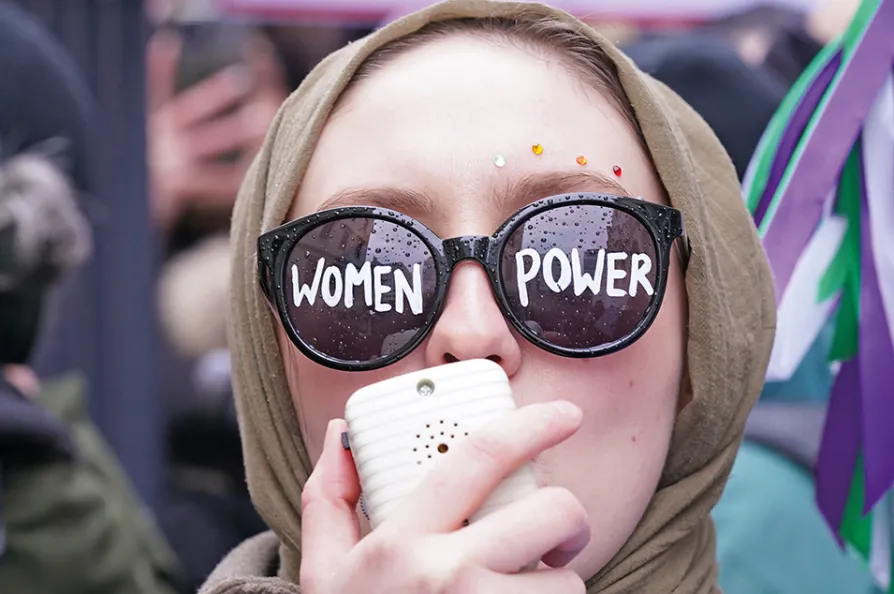
Change won’t come from polite requests or passive-aggressive Post-it notes on the thermostat. It will come from collective action. Women in offices across the world are beginning to push back—demanding warmer temperatures, advocating for adjustable climate controls, and refusing to accept the status quo. The #MeToo movement proved that silence is complicity; the same holds true for the thermostat wars. When women speak up, they’re not just asking for a warmer office—they’re challenging a system that treats their bodies as an afterthought.
But this isn’t just a women’s issue—it’s a human issue. Men who care about gender equality should join the fight, not just for the sake of fairness, but because rigid workplace standards harm everyone. A man who’s too hot or too cold is just as unproductive as a woman who’s freezing. The solution? A workplace that values flexibility, adaptability, and, above all, humanity.
The Future of Work: Beyond the Thermostat
The office thermostat is more than a dial—it’s a symbol of a workplace that’s stuck in the past. The future of work demands spaces that are inclusive, adaptable, and designed with all bodies in mind. This means adjustable climate controls, gender-neutral dress codes, and a willingness to question the assumptions that have governed office design for decades. It means recognizing that productivity isn’t just about numbers—it’s about people.
The next time you reach for the thermostat, ask yourself: who is this system really designed for? And if the answer isn’t “everyone,” then it’s time for a change.








Leave a Comment