
Why is it that when a woman steps into the workforce and manages her family, she earns the badge “working mom,” layered with societal expectations both exhausting and elevating, while her male counterpart is simply called “dad”? Dare to ask: does this linguistic distinction reveal an unsettling truth about the gendered undercurrents beneath our everyday language? It’s a question that punctures the veneer of equality and pries open a Pandora’s box of cultural biases, revealing how motherhood continues to be a uniquely scrutinized performance, whereas fatherhood enjoys a freedom shrouded in simplicity.
The Weight of an Extra Word: “Working” as a Feminine Modifier
When society dubs a mother as a “working mom,” that single adjective is drenched in implication. It suggests, implicitly, that momming is inherently exhaustive—even when unpaid or fully enveloped within the domestic sphere—and that working outside the home is an additional layer of heroic effort. Men, meanwhile, slide effortlessly past these layers. The word “working” is mysteriously invisible before “dad,” as if being a father and holding a job are seamlessly synonymous.
Why? Because traditional gender roles have cast men as breadwinners for centuries, weaving employment tightly into the identity of “dad.” Their provider role is presumed, hardly up for discussion. But for women? Has society not deemed caregiving their primary job—an unremunerated labor so entrenched it often escapes recognition? “Working mom” isn’t just a title; it’s a linguistic marker exposing a cultural fissure—one that canonizes motherhood as a labor-intensive identity all by itself, making any work beyond home a ‘remarkable’ feat.

When “Working Mom” Feels Like an Apology
Another layer to this semantic labyrinth is the often unspoken apology carried by the term “working mom.” It is a subtle—and sometimes unsubtle—acknowledgment of conflict, a nearly self-conscious tag signaling, “I am trying to do it all, but I may be falling short.” This linguistic form doubles as a social grappling hook, reflecting the impossible expectations leveled upon mothers to excel in every realm simultaneously: career, home, emotional labor, and beyond.
By contrast, fathers rarely carry this linguistic or emotional burden. The term “working dad” is seldom heard, implicitly shielding men from scrutiny over their contributions to childcare or domestic life. Society often awards them proverbial gold stars just for showing up. Women, however, juggle nuanced and competing expectations that demand perfection in both domains, and “working mom” connotes a brave but fraught balancing act rather than simple identity.
The Myth of Equivalence: Why Being A Working Mom Is Still Harder
To peel back the veneer even further, consider the lived realities behind the titles. Research and everyday testimony converge on this uncomfortable truth: despite strides for equality, being a working mom remains disproportionately difficult. It is not merely about clocking hours at a job or caring for offspring; it is about straddling two worlds that each demand full commitment and often inadequate societal support.
From wage gaps to inflexible work policies, workplace discrimination to the psychological tax of second-shift domestic labor, working moms continuously endure systemic hurdles that working dads typically do not. The emotional and physical toll of this double bind cannot be overstated. It should provoke a wrenching reflection on why language still fails to evolve past this inequitable bifurcation—why the “working” prefix is applied surgically to moms but left off dads as redundant or irrelevant.
“Dad” as the Default: A Cultural Blind Spot
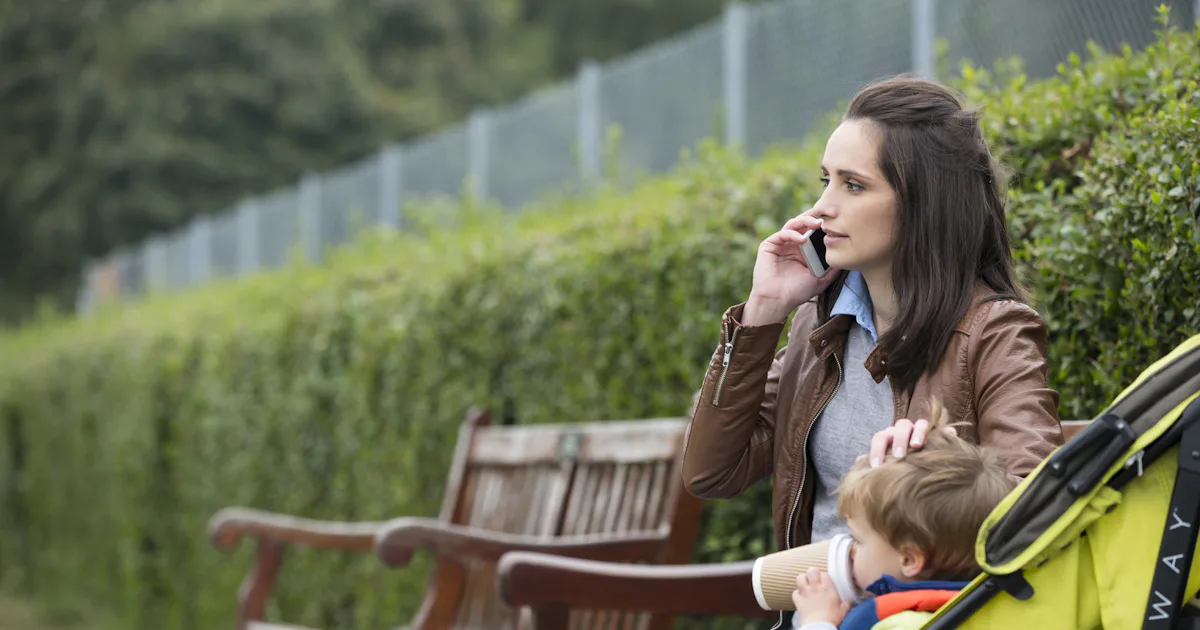
It is worth evaluating the cultural blind spot in which fathers operate as the default caregivers who do not have to justify their presence or effort. When a father claims he’s “more of a mom,” the internet reaction—a mix of bemusement, skepticism, and incredulity—signals just how deeply coded paternal effort is different from maternal labor. It reveals how fathers’ attempts to engage fully in parenting are often viewed as exceptional or “extra” rather than normative.
This default-status that fatherhood enjoys is a relic of patriarchal legacies that allowed men to parent superficially or intermittently without significant judgment. Even today, fathers may be praised merely for involvement that falls short of the relentless motherhood benchmark. The societal narrative continues to cast mothers as the linchpins of child-rearing while preserving fatherhood as an admirable but secondary role.
Reclaiming Language: Toward a More Equitable Vocabulary
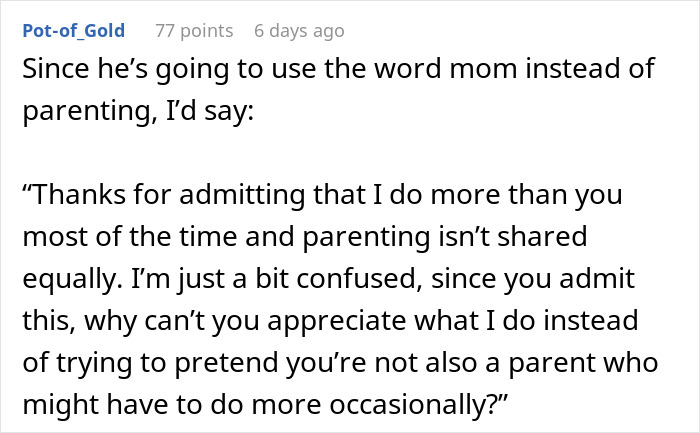
If language shapes the structure of thought, then changing the words we use to describe parenthood can catalyze deeper shifts in societal attitudes. What might happen if “working” ceased to be a modifier exclusive to mothers? Imagine a world where fathers and mothers alike are free of linguistic qualifiers, where caregiving and working coexist without gendered distinction.
This would dismantle false equivalencies and invite an honest reckoning with the distribution of labor—both emotional and physical. It would challenge workplaces, families, and communities to re-envision parenting beyond archaic archetypes. A recalibrated vocabulary, paired with tangible structural change, could finally honor the full humanity of caregivers, regardless of gender.
Conclusion: Naming the Invisible Labor
The subtle linguistic gap between “working mom” and “dad” is not just a quirk of nomenclature—it is a mirror reflecting centuries of gendered labor division and expectation. It spotlights an ongoing struggle at the intersection of identity, value, and recognition. In this divide lies a tremendous challenge: to rename labor fairly, to recalibrate expectations authentically, and to honor caregiving as essential work for all, without burdening only half the equation.
So, next time you hear the phrase “working mom,” pause. Ask why “working” is still shorthand for exceptional maternal effort, while fatherhood remains unmodified, unchallenged, and unquestioned. Only through this awareness can we begin to rewrite the story of parenting for a truly equitable future.









Leave a Comment