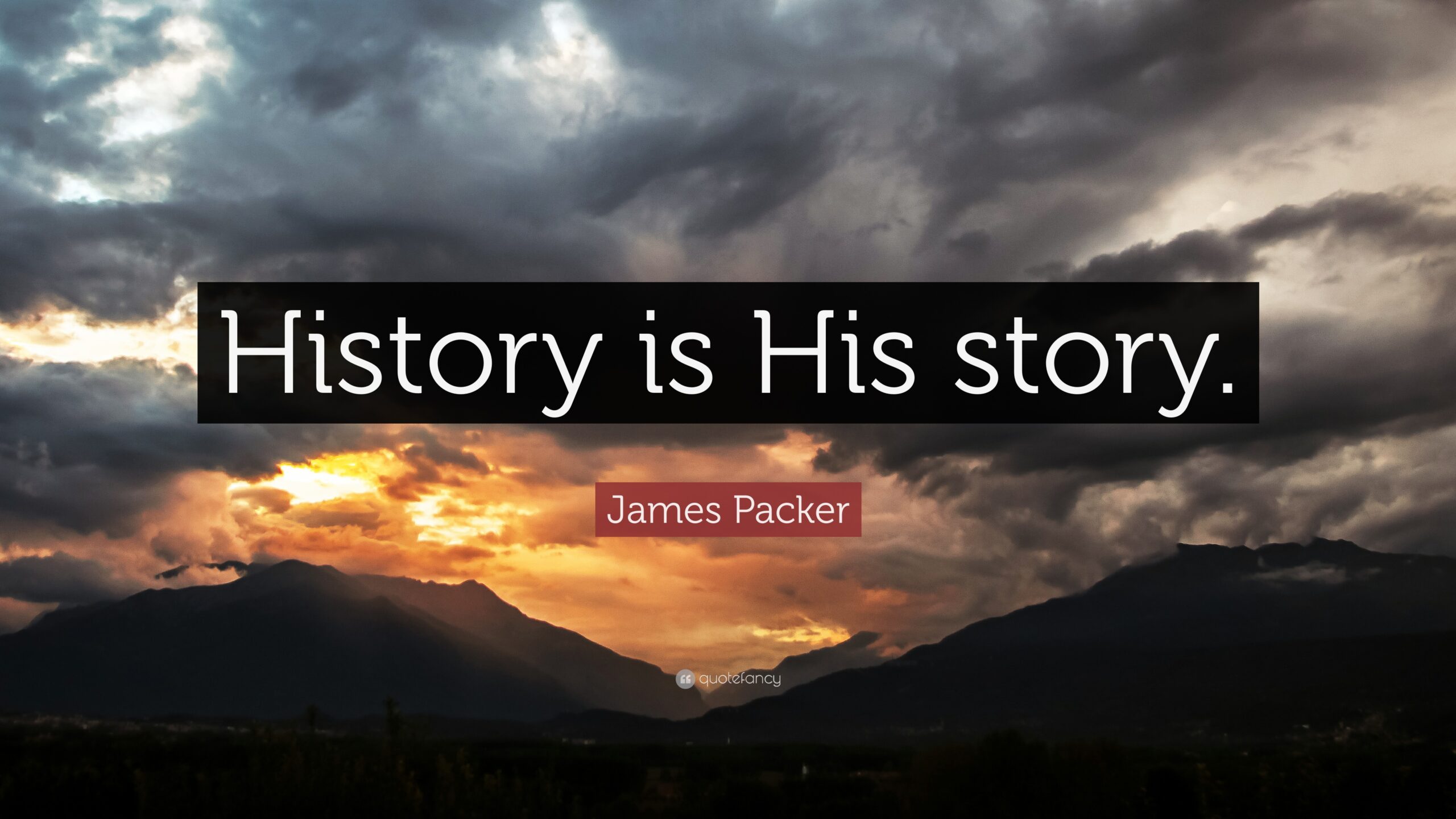
The annals of history are not merely a chronicle of events—they are a carefully curated mythos, a grand narrative spun by the victors to immortalize their own reflections. What we call “history” is, in truth, little more than “His Story” with a glossy rebranding campaign. The language itself is a linguistic coup: a single syllable—”his”—erases the contributions of half the world’s population, reducing their experiences to footnotes in a man’s footrace to legacy. This isn’t just an oversight; it’s a deliberate act of narrative colonization, where the stories of women, non-binary individuals, and marginalized communities are either erased, trivialized, or repackaged as deviations from the “main plot.” The PR machine behind history is so effective that we’ve internalized its distortions as truth, mistaking the reflection in the mirror for the entire room.
The Patriarchal Branding of Time: How “His Story” Became the Default
Imagine a corporation launching a product called “Man’s Best Friend” while systematically excluding dogs from its marketing materials. That’s the audacity of history’s branding. The term “history” derives from the Greek *historia*, meaning “inquiry” or “knowledge,” but its semantic evolution was hijacked by a male-dominated tradition that equated inquiry with male authority. From Herodotus to Thucydides, the foundational texts of Western historiography were authored by men, about men, for men—with women’s roles confined to the periphery as muses, victims, or footnotes. Even when women’s actions were undeniable—Cleopatra’s political acumen, Hypatia’s scientific brilliance, the unyielding labor of medieval queens—they were framed as exceptions to the rule, anomalies in a narrative designed to celebrate male agency.
The real sleight of hand? The rebranding of “His Story” as “History” wasn’t a subtle shift—it was a hostile takeover. The word “history” now carries the gravitas of objectivity, as if the discipline were a neutral observer rather than a constructed narrative. But every timeline is a curated exhibition. The Renaissance wasn’t just a rebirth of art and science; it was a rebirth of *male* art and science, with women’s contributions airbrushed out of the Sistine Chapel’s frescoes. The Industrial Revolution wasn’t just a march of progress; it was a machine that devoured women’s unpaid labor in the shadows while celebrating male inventors in the spotlight. The PR team behind history didn’t just sell a story—they sold the illusion that the story was inevitable.
The Archive as a Male Fantasy: What Gets Saved and What Gets Lost
Archives are not neutral repositories of truth; they are the attics of power, where only certain memories are deemed worthy of preservation. Consider the letters of Virginia Woolf, meticulously edited and annotated by male scholars who deemed her personal reflections less significant than her husband’s literary estate. Or the oral histories of enslaved women, dismissed as “gossip” by 19th-century historians who preferred the “objective” accounts of white male abolitionists. The archive is a hall of mirrors that reflects only the faces of the powerful, while the rest are left to haunt the margins as “unreliable narrators” of their own lives.
Even when women’s stories do survive, they are often framed through a lens of exceptionality. Joan of Arc wasn’t just a warrior; she was a “virgin warrior,” her femininity constantly policed to fit the narrative. Hypatia’s murder wasn’t just a tragedy; it was a cautionary tale about the dangers of female intellect. The suffragettes weren’t just activists; they were “hysterical” women whose demands were met with ridicule before being co-opted into sanitized versions of their own history. The archive doesn’t just omit—it actively rewrites, turning lived experiences into cautionary fables or inspirational anecdotes, depending on which serves the dominant story better.
What’s more insidious is how this selective preservation shapes our collective imagination. When we picture a “genius,” we think of Einstein, not Emmy Noether. When we imagine a “revolutionary,” we picture Che Guevara, not Claudia Jones. The archive doesn’t just reflect reality—it manufactures it, ensuring that the stories we tell about the past are the stories that reinforce the power structures of the present.
The Language of Erasure: How Grammar Becomes a Weapon
Language is not just a tool for communication; it’s a weapon for exclusion. The English language’s default male pronouns (“mankind,” “chairman,” “freshman”) are not accidental—they are linguistic colonization. Even in modern usage, where “they” has been reclaimed as a singular pronoun, the default remains male, as if the female half of humanity were an afterthought. This isn’t just semantics; it’s a grammatical coup d’état. When we say “history is written by the winners,” we forget that the winners also get to define the language in which history is written.
Consider the term “herstory,” a playful yet radical rebranding that exposes the absurdity of “history” as a universal term. It’s not just a feminist quirk—it’s a linguistic Molotov cocktail, a reminder that the stories we tell are always political. The backlash against “herstory” isn’t about language purity; it’s about defending the status quo. Those who cling to “history” as the only acceptable term are not defending objectivity—they’re defending a narrative that has never included them as anything but supporting characters.
And let’s not forget the way language erases non-binary and trans experiences. Terms like “womyn” or “womxn” aren’t just spelling variations—they’re acts of resistance against a linguistic system that refuses to acknowledge anyone outside the male-female binary. The PR team behind history didn’t just control the narrative; they controlled the dictionary.
The Museum as a Cathedral of Male Ego: Where Art and History Collide
Walk into any grand museum, and you’ll find a temple to male genius. The Louvre’s halls are lined with the faces of kings and conquerors, while the women who shaped their worlds—artists, scientists, queens—are relegated to side galleries or, more often, absent entirely. The Metropolitan Museum of Art’s collection of European paintings is a who’s who of male artists, with women’s contributions reduced to still lifes of fruit or portraits of their husbands. The message is clear: history is not just “His Story”—it’s *His Art*, *His Science*, *His Legacy*.
Even when women are included, they are often framed through the male gaze. The Mona Lisa isn’t just a painting; she’s a cipher, a blank canvas onto which centuries of male desire have been projected. Frida Kahlo’s self-portraits aren’t just art; they’re a rebellion against the male-dominated art world that once dismissed her as “just a wife.” The museum doesn’t just display history—it curates a pantheon, and the gods it chooses to worship are almost always men.
This isn’t just about representation; it’s about power. The museum is a cathedral where the past is sanctified, and the saints are always men. To challenge this is to challenge the very foundations of how we understand history—not as a record of human experience, but as a monument to male achievement.
The Future of History: Can We Rebrand the Past?
The good news? The PR team behind “His Story” is losing its grip. The internet has democratized storytelling, allowing marginalized voices to bypass the gatekeepers of traditional history. Archives are being digitized, oral histories are being preserved, and social media has given rise to a new generation of historians who refuse to accept the old narratives. Projects like the Women’s History Archive or BlackPast.org are rewriting the rules, ensuring that the stories of the excluded are no longer footnotes but central chapters.
But the battle isn’t just about inclusion—it’s about redefining what history even is. History isn’t just a timeline of events; it’s a living, breathing conversation about who we are and who we want to be. The future of history lies in decentralizing the narrative, in recognizing that every voice—no matter how quiet—deserves to be heard. It’s about understanding that “His Story” was never the whole story, just the loudest one.
The real question isn’t whether we can rebrand history—it’s whether we’re willing to admit that the current brand is a lie. History isn’t just “His Story” with better PR. It’s a story that has been stolen, repackaged, and sold back to us as truth. The only way to reclaim it is to burn down the old PR machine and build something new in its place.









Leave a Comment