
Imagine a juggler, expertly balancing flaming torches—not just one or two, but a seemingly endless barrage. Each torch represents a task, a responsibility, or a worry that demands undivided attention lest it plunge the entire act into chaos. This juggler doesn’t merely perform for admiration; she does it silently, invisibly, the grandeur of her act going unrecognized by the audience that surrounds her. This is the mental load women carry in relationships: a precarious dance of ceaseless cognition and emotional labor that is simultaneously undervalued and overwhelmingly exhaustive.
The Invisible Weight: Understanding the Mental Load
The mental load is not a mere to-do list pinned on a fridge or a schedule scribbled on a notepad. It is a cognitive burden—a relentless internal tracking system that organizes, anticipates, plans, and ensures the emotional and logistical stability of relationships and households. Women are culturally cast as the default managers of this invisible ledger. It is as if society quietly deputizes them as the CFOs of relational well-being, responsible for budgeting time, care, and affection with an unyielding precision.
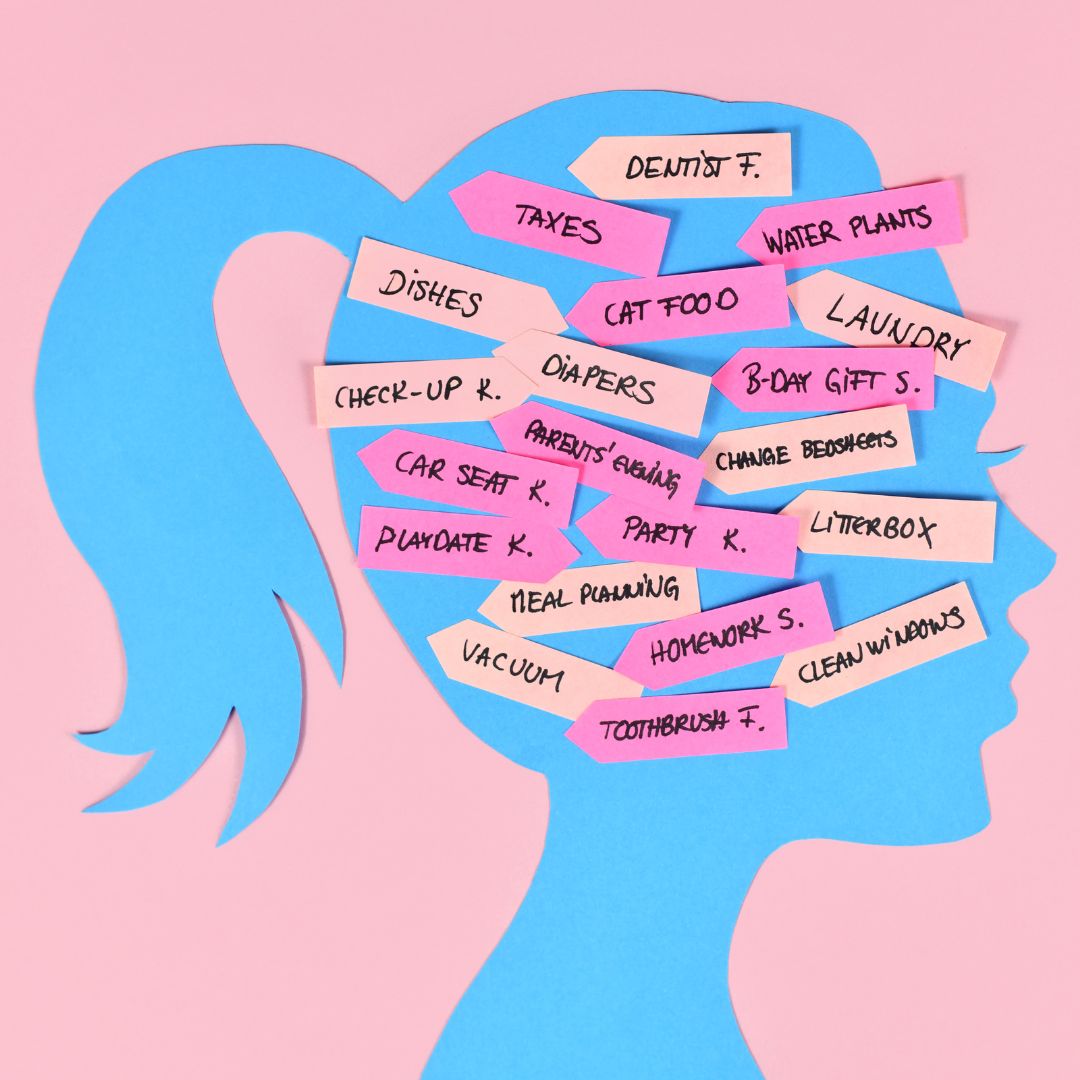
But why this asymmetry? Why is it women—and not their partners—that predominantly carry this cognitive freight? The answer lies entangled within deep societal scripts, inherited gender roles, and the enduring mythos of femininity that valorizes self-sacrifice and emotional astuteness in women while often absolving others from this meticulous caretaking role.
Emotional Labor: The Silent Currency Women Spend Daily
If mental load is the orchestration behind the present, then emotional labor is the currency that pays for the societal performance. It’s the quiet offer of companionship, the attentiveness to moods, the decoding of unspoken cues, and the proactive soothing of emotional upheavals. This labor involves a kind of psychic vigilance, a constant antenna tuned to the emotional climate of those around, primarily partners and children, which demands exhausting intuition and empathy.
Women expend this emotional currency often unconsciously. Their affective labor is rarely itemized on a receipt or tallied for fairness, yet it underlies the very fabric of relational harmony. The moment this labor is articulated—when asked ‘Who is thinking about the kids’ doctor’s appointment?’ or ‘Who remembered to call your mother?’—the weight of all those unnoticed moments becomes painfully apparent.
Historical Chains and Cultural Conditioning
To dismantle the mental load, one must first trace its roots. Patriarchy and tradition have woven a tapestry where women are not only caretakers but also gatekeepers of time, emotion, and organizational memory. This is the legacy of roles historically assigned: women confined to domestic spaces and socially engineered to be the emotional anchors. These inherited scripts don’t merely vanish; they morph into modern expectations.

In contemporary relationships, despite advances in gender equality, these cultural imprints persist undeterred. Women are subtly socialized from childhood to internalize responsibility for relational and familial maintenance. Their social existence becomes a multi-threaded narrative of management — in contrast, men’s involvement often remains peripheral or task-specific, sidelining the ongoing mental calculations.
The Conversation That Breaks The Cycle
There is no revelation in stating the obvious: conversation is the linchpin. However, not just any conversation, but one suffused with brutal honesty and willingness to unlearn. When partners openly map out the extensive landscape of mental load—listing the myriad tasks and invisible labors with clarity—it disrupts the normalization of unilateral burden. It turns an invisible act into a shared blueprint, making the hidden visible.
Such a dialogue demands vulnerability and recognition. It challenges the comfortable inertia that allows mental load to accumulate unchallenged. Importantly, it carves space within relationships for negotiation and redefinition of roles. The fairness of emotional distribution can then be actively re-engineered, mitigating the asymmetrical psychic taxation women endure.
Reimagining Relationship Equity: Moving Beyond the Checklist
Equity in a relationship is not merely about dividing chores. It is an intellectual and emotional redesign. This means creating new cognitive maps where responsibility is truly communal and anticipatory, not reactive or allocated based on outdated gender norms. Men must transcend the limited scope of physical tasks and step into the continuous mental labor: the future-oriented vigilance of what needs tending.

When mental load is shared, the relationship becomes a dynamic ecosystem where burdens are lightened collectively, allowing space for women to reclaim cognitive and emotional bandwidth. It ignites a transformational shift from transactional participation toward empathetic partnership, reshaping love and care into mutual craftwork rather than unilateral maintenance.
The Empowerment in Refusal and Reclamation
One radical act women can undertake is the conscious refusal to carry invisible loads without negotiation. This is not a retreat but a reclamation—an assertion of intellectual and emotional sovereignty. Boundaries, once established, compel recognition. Saying “I cannot carry this alone” echoes louder than any silent sacrifice. It forces reckoning and recalibration.
Reclaiming the mental load is an act of insurgency against the silent, invisible chains of traditional relationship dynamics. It is a declaration that care and responsibility are gifts to be shared, not debts to be quietly borne. This reclamation allows women to step out of the background and into the center stage of partnership—with equanimity, respect, and freedom reclaimed.
Conclusion: The Liberation in Shared Mental Work
In the ongoing performance of intimate relationships, the mental load carried by women has too often been an invisible act of endurance, balancing flaming torches in solitude. To transform this, the conversation must shift from acknowledgment to action—a conscious redistribution of cognitive and emotional responsibilities. This metamorphosis is not merely a logistical rearrangement but a revolution that redefines the very architecture of modern partnership.
The profound appeal of addressing the mental load lies not in blame but in liberation—a shared journey lightened by mutual care and responsibility, where no one juggles alone under the weight of invisible fires.








Leave a Comment