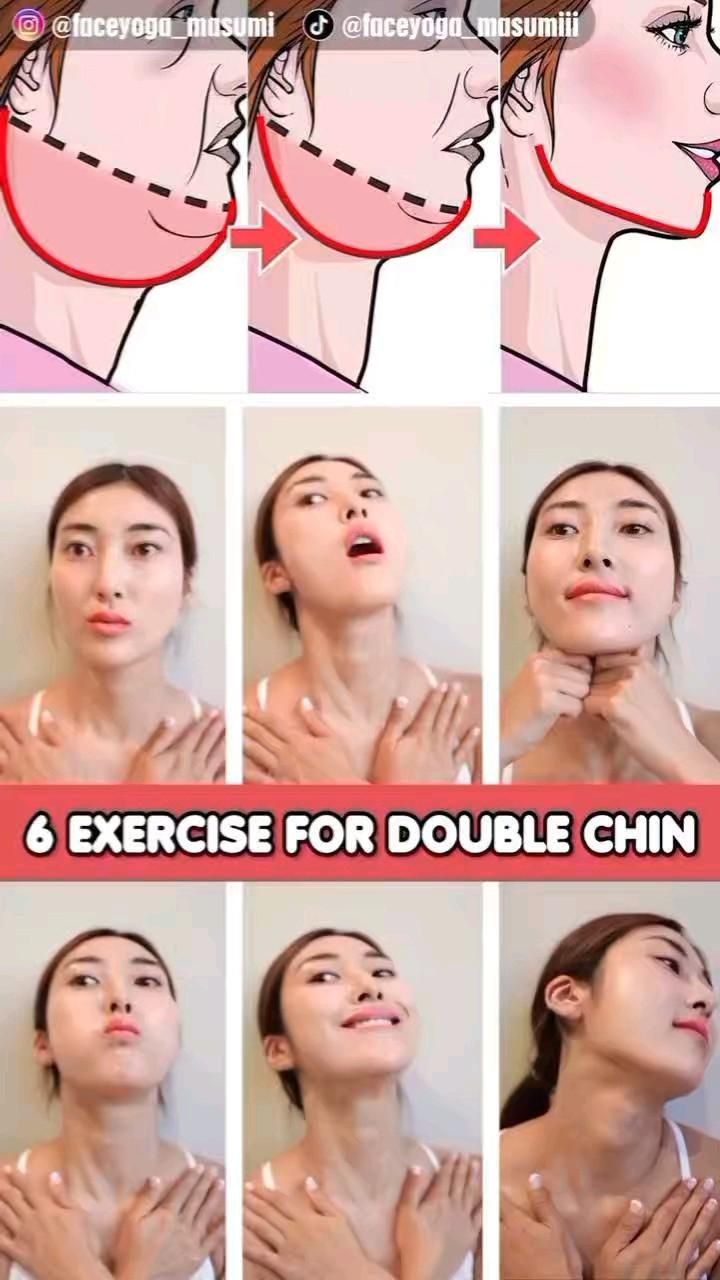
The double chin—an innocuous fold of skin that has somehow transmogrified into a nemesis of the modern self-image. In countless photographs, candid moments, and staged snapshots, this subtle shadow beneath the jawline becomes a glaring fault line, a visual flaw that can derail confidence and warp self-perception. But why does such a seemingly trivial feature wield such disproportionate power? Beyond mere aesthetics, the fear of the double chin reveals a deeper, more insidious cultural obsession. It is a lens into society’s relentless compulsion to police bodies, enforce unrealistic standards, and conjure insecurities that shadow every fleeting smile.
The Ubiquity of the Double Chin Anxiety
Almost everyone, regardless of age or gender, has experienced the creeping doubt triggered by catching a glimpse of their neck’s contour in a photo. Often unremarked upon in daily life, the double chin becomes hyper-visible in images—those frozen moments where time suspends judgment, only to amplify every perceived imperfection. The “chin check” before selfies, the subtle head tilts, the obsessive experimentations with lighting and angles—it all speaks to the ubiquitous anxiety that a double chin will sabotage one’s remaining shred of photogenic grace.
What perpetuates this fixation is not just the physical presence of submental fullness but its symbolic connotations. The double chin is wielded as a signifier of sloppiness, lack of discipline, or worse, diminished desirability. Such judgments are culturally coded, almost automatic, and internalized to a degree that the fear of this minor flesh fold eclipses genuine self-regard. It poisons the authenticity of expression, often transforming genuine smiles into taut, guarded poses.

The Deceptive Simplicity of the Double Chin
At first glance, a double chin seems like a straightforward physical characteristic—extra fat or skin beneath the jawline. However, this apparent simplicity is misleading. Multiple factors converge quietly beneath the surface: genetics, posture, age, weight fluctuations, and even the shape of the mandible. The complexity of causation belies society’s reductive attitudes that paint its presence as a personal failing or a cosmetic inconvenience easily “fixed”.
The double chin’s invisibility in everyday interactions yet stark presence in photographs magnifies its impact. Photographic techniques, such as lighting and camera angles, can exaggerate or minimize this feature. Our obsession with the double chin reveals how visual media distorts self-image, engineering insecurities through frames and pixels that are far from reality.
The Cultural Fetishization of Youth and Contour
The modern mystique of the jawline as a locus of beauty is a relatively recent obsession—ushered in by digital media, celebrity culture, and an unyielding cosmetic industry. A sharply defined chin and neck symbolize health, vitality, and youthfulness, serving as a visual shorthand for self-control and aesthetic superiority. Those subtle curves and shadows under the jaw have become battlegrounds where culture’s narrow ideals wage war on natural human variance.
This fetishization obscures the biological and temporal nature of the human face. Aging, weight gain, or simply the unique contours of individual anatomy are demonized, stripped of their complex narratives, and recast as flaws needing elimination. The double chin is not an individual aberration but a universal feature subject to social sanction. This phenomenon underscores the didactic function of beauty standards—they do not merely suggest but dictate what bodies should be, fueling a cycle of shame and aspiration among the populace.

The Psychological Toll: Insecurity and Self-Censorship
The dread of a double chin in photos manifests as more than vanity—it morphs into a psychological crucible. People develop strategies to mask or mitigate this “defect,” ranging from subtle head tilting and camera angling to extensive pre-photo rituals. The phenomenon cultivates chronic self-surveillance, where the body is never truly at rest but constantly scanned and adjusted to conform to external expectations.
Self-censorship blooms within the fertile ground of this anxiety. Smiles become closed-lip to conceal the jaw. Expressions lose their spontaneity, muffled by the fear that a candid moment might betray the dreaded image. Relationships also bear the brunt, as individuals avoid photos or social situations where they believe their double chin might become a focal point for ridicule—real or imagined.
Resisting the Double Chin Dictatorship
Confronting the double chin fear demands more than contouring tricks or lifestyle changes. It requires a radical reimagining of beauty narratives—a refusal to let narrow standards dictate worth. This resistance commences with reclaiming the gaze, shifting from punitive appraisal to compassionate acceptance. The double chin, like every physical trait, is a testament to embodiment, a unique signature woven from genes, time, and lived experience.
Embracing this perspective dismantles the double chin’s symbolic power as a “defect” and instead celebrates its part in the mosaic of human diversity. Movements that challenge body-based oppression have laid groundwork here, contextualizing physical traits beyond superficial judgment and normalizing narratives that resist shame. This paradigmatic shift disrupts the cycle of fear and self-objectification, cultivating space for genuine self-expression.

The Digital Facet: Editing, Filters, and New Forms of Anxiety
Technology’s double-edged sword complicates the double chin discourse. On one hand, photo-editing software and filters provide empowering tools for controlling self-presentation. On the other, they perpetuate unrealistic ideals by creating visually deceptive images that real bodies cannot emulate naturally. The ease with which a double chin can be “erased” digitally fosters a pernicious expectation for physical perfection in every public appearance.
This dynamic deepens the fissure between real and idealized selves, exacerbating anxiety and alienation. The digital realm becomes a theatre where double chins are edited out, creating a dissonant narrative that distorts self-image and undermines self-acceptance. Ultimately, this cycle demands critical awareness and careful negotiation to avoid trading authenticity for compliance with ephemeral standards.
Conclusion: From Fear to Freedom
The fear of the double chin that taints every photo op is not merely about a physical feature; it is a symptom of an ingrained cultural malaise—a society that fetishizes flawlessness and marginalizes naturalness. This fear fractures the psyche, diminishes confidence, and obfuscates the beauty inherent in all forms. To transcend it requires courageous self-awareness, communal challenge to toxic beauty paradigms, and an embrace of embodied diversity.
In reclaiming the narrative surrounding the double chin, we reclaim autonomy over how we see ourselves and how we allow others to view us. The liberation lies not in erasing a fold of skin but in dismantling the social architecture that renders it a symbol of failure. The next photo need not be a battleground. It can be an affirmation—fluid, unfiltered, and fiercely free.







Leave a Comment