In a world where inclusion is trumpeted as the pinnacle of progress, the stark reality often reveals a gaping chasm between rhetoric and reality. Conferences boasting about accessibility can, paradoxically, be arenas of exclusion—zones where the promise of inclusivity evaporates under the weight of superficial compliance. This paradox invites a critical re-examination: what does it mean to hold an “inclusive” conference with zero real accessibility? Is this merely a hollow gesture, or a conscious reflection of systemic inertia? Let us dissect this contradiction, exposing the bones beneath the glossy veneer, and demand a radical shift in perspective that transcends performative gestures.
The Illusion of Inclusion: A House of Cards
It is disheartening yet unsurprising that many conferences parade their commitment to inclusion when, in fact, accessibility remains an afterthought—an inconvenient footnote rather than a foundational pillar. The aesthetic presentation, keynote speakers with buzzword-laden speeches, and token gestures towards diversity often mask an infrastructure fundamentally alien to those it claims to embrace. Imagine a space that is heralded as accessible but lacks wheelchair ramps, sign language interpreters, or captioned materials. This chasm between claim and reality erects invisible barriers as formidable as physical ones, entrenching exclusion under the guise of inclusivity.
Superficial accommodations serve business interests more than social justice. These “inclusive conferences” often cater primarily to sighted, neurotypical, English-speaking attendees while marginalizing disabled voices and non-native speakers. The result? A homogenized echo chamber where radical ideas about accessibility and inclusion are stifled before they dare to deviate from the safe and sanitized script.
The Language of Accessibility Guidelines: From Prescription to Paradox
Guidelines are meant to be blueprints, yet their rigid, checkbox nature frequently calcifies into bureaucratic paralysis rather than catalysts for genuine inclusion. The ‘Zero Project Conference’ on accessibility guidelines, for example, showcases how well-intentioned policy can succumb to the inherent contradiction of codifying fluid human experiences into reductive standards. It’s the antithesis of liberation—prescriptive mandates that often result in minimal compliance rather than meaningful engagement.
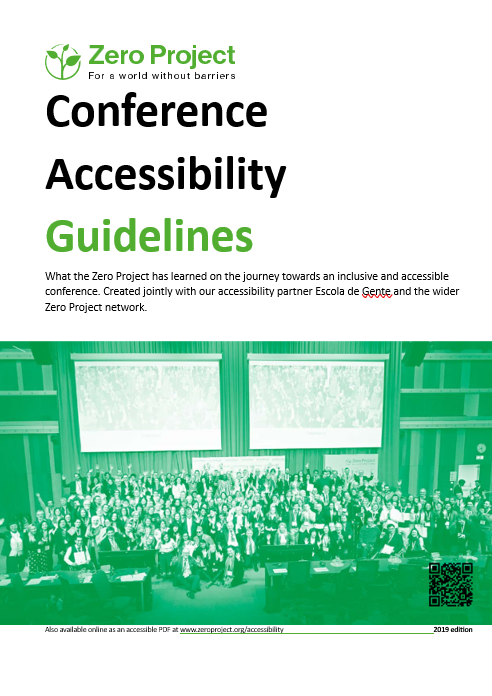
Accessibility is dynamic, intersectional, and deeply personal. Reducing it to checklists or mandated features risks eroding its transformative potential. It becomes not a promising horizon but a stifling gatekeeper that excludes those who don’t fit neatly into predefined categories. The dialogue shifts from empowerment to enforcement, and the conference space morphs into an arena of microaggressions and erasure.
Tokenism Versus True Representation: The Inclusivity Façade
One of the most insidious manifestations of the “inclusive” yet inaccessible conference is tokenism. This is not only a failure of infrastructure but a moral abdication that trivializes the voices and experiences of marginalized communities. A handful of panels featuring disabled speakers do not equate to a genuinely inclusive forum when the environment itself is hostile, alienating, or indifferent.
True representation demands more than podium presence. It requires an environment meticulously crafted to accommodate myriad needs—cognitive, physical, sensory, and linguistic. Without this, the presence of marginalized individuals becomes a spectacle—a performative box checked off—to soothe organizational consciences rather than challenge systemic barriers.
Digital Domains: Virtual Conferences as Double-Edged Swords
The rise of online conferences introduces new complexities. On the surface, digital platforms promise unprecedented access by dismantling geographic and mobility barriers. Yet, these realms often replicate offline exclusions through poorly designed interfaces, lack of captioning, inaccessible content formats, and minimal support for assistive technologies.

Virtual conferences with zero commitment to universal design risk cloaking exclusion in the rhetoric of accessibility. They replicate the fault lines of the physical world, only with the added barrier of digital literacy and dependable internet—luxuries not universally afforded. Thus, we witness a new form of digital elitism masquerading as inclusion.
From Piety to Praxis: Demanding a Structural Paradigm Shift
The conundrum of the inclusive conference bereft of accessibility is not merely a logistical failure but a symptomatic manifestation of a deeper, systemic malaise rooted in ingrained ableism and performative allyship. This calls for a rupture, a paradigm shift that refuses to settle for symbolic inclusion and demands structural transformation.
Conference organizers must move beyond box-ticking exercises and begin with universal design principles, embracing intersectionality as a lodestar. Accessibility cannot be an addendum but a non-negotiable framework embedded at every stage—from venue selection and digital platform design to speaker curation and participant engagement strategies.
Moreover, authentic inclusion requires empowering disabled voices not as an afterthought but as co-creators of the event itself. The shift in perspective is radical: accessibility becomes an ethical imperative, not a logistical puzzle.
Conclusion: The Invitation to Reimagine
The “inclusive conference with zero accessibility” is more than a contradiction—it is an indictment of society’s failure to commit to genuine equality. Yet, nestled within this dissonance lies the seed of possibility. The growing critique of such paradoxes beckons us to dismantle outdated frameworks and reimagine accessibility as an expansive, evolving ethos.
Let this be an invitation to all who organize, participate, or advocate—to transcend comfortable platitudes and embrace the complex, challenging, and exhilarating work of crafting spaces where every individual’s humanity is recognized, celebrated, and empowered. Only then can the conference transcend performance and become a true crucible of inclusivity and transformation.







Leave a Comment