
Health has stealthily rewritten the script once dominated by weight loss in the narrative of womanhood. It slinks into conversations cloaked in the guise of holistic wellness but pulsates with the same societal undercurrents that glorify control and conformity. The transformation from the obsession with weight to the worship of health is less a revolution and more a metamorphosis—an elegant chameleon shifting its colors to fit the modern landscape. Yet beneath this guise lies a complex battleground where autonomy, identity, and cultural expectations clash relentlessly.
The Caged Bird’s New Song: From Weight Loss to Health
The concept of weight loss for women historically mimicked the cage that trapped a caged bird—beautiful to behold, yet confined and restrained. Suddenly, the song changed. Health emerged as the new melody, one promising freedom and vitality instead of mere scale victories. But this new song carries echoes of the old cage, harmonizing the rhetoric of empowerment with the underlying calls for bodily regulation. “Health” has become the prism through which women’s bodies are scrutinized and judged, wrapped in scientific jargon and moral virtue, rendering it a more palatable but equally insidious architect of bodily conformity.

Health as a Trojan Horse: The Seductive Mirage of Autonomy
On the surface, health promises autonomy—the fierce independence of commanding one’s own body and mind. Yet, like the enigmatic Trojan Horse, this promise conceals an army of societal pressures disguised as personal choice. The language of wellness campaigns seduces women with visions of strength, endurance, and self-care, all while quietly reinforcing narrow standards of what a ‘healthy’ woman should look and act like. Health becomes a paradox: a revolutionary manifesto that paradoxically demands adherence to invisible, culturally constructed ideals.
Rebranding Restriction: The Alchemy of Health and Weight
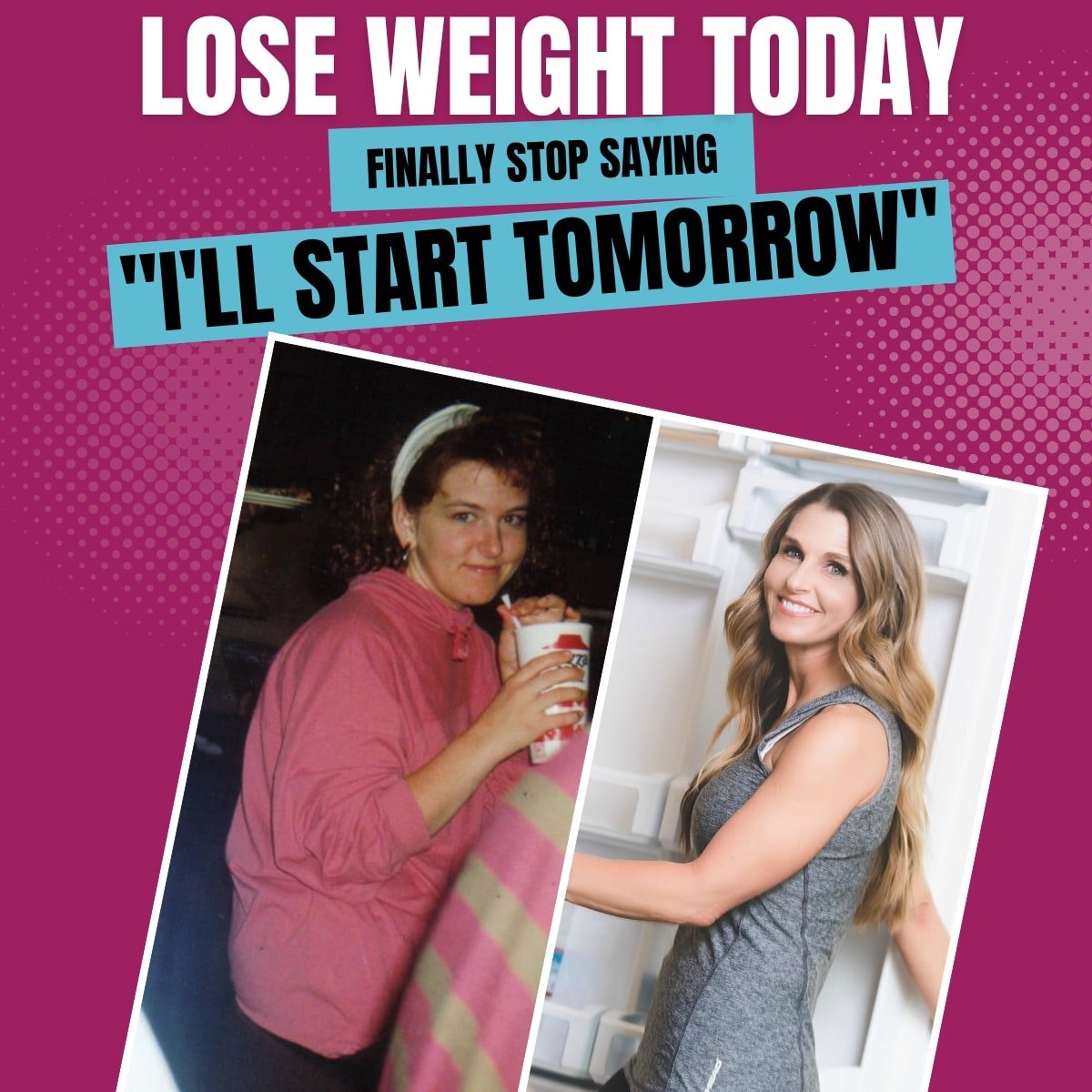
Weight loss strategies traditionally relied on overt control—caloric counting, physical deprivation, and relentless measurement. The alchemy of rebranding these practices under the umbrella of “health” has made restriction appear virtuous and enlightened. It’s as if the same iron shackles have been gilded with nutritional science and mindfulness buzzwords, masking the core impulse to conform. The obsession shifts, but the architecture of control remains steadfast. This subtle shift keeps women engaged in an endless chase—a Sisyphean endeavor where health is pursued but never truly achieved on society’s arbitrary terms.
The Allure of Holism: A Double-Edged Sword
Holistic health, with its promise of integrating mind, body, and spirit, holds undeniable appeal. It speaks to a deeper yearning—to be seen and valued beyond physical appearance, to cultivate resilience and joy. Yet, this allure can cut both ways. The same narratives that champion holistic wellness often weaponize judgment against those who do not or cannot adhere. Women become responsibilized for managing every facet of their wellbeing, transforming health into a moral obligation rather than a personal journey. The subtle tyranny of this all-encompassing ideal can be suffocating, wrapping the individual in invisible threads of expectation.
Health as Capital: The Currency of Social Legitimacy
In contemporary society, health functions as a new form of capital—currency for social legitimacy and acceptance. The healthy woman is hailed as disciplined, intelligent, and worthy, while those who deviate risk stigma cloaked in concern or moralizing advice. This commodification turns wellness into a spectacle, where social media highlights curated snapshots of vitality and energy. Behind the filtered images lies an unrelenting pressure to perform health, turning personal wellbeing into a public exhibition. Health thus morphs into a social contract, a benchmark by which women’s value is measured and their identities constructed.

Resistance and Reclamation: Redefining Health on Feminist Terms
Despite the pervasive grip of these narratives, resistance simmers beneath the surface. Feminist movements and body positivity campaigns strive to decolonize health from its weight-obsessed roots, advocating for inclusivity, body autonomy, and radical self-acceptance. This reclamation refuses to let “health” be weaponized as another mechanism of control. Instead, it reimagines health as a personal, contextual experience, free from policing and judgement. This insurgency challenges the dominant paradigms, inviting women to embrace complexity without striving for perfection dictated by society’s merciless gaze.
Conclusion: Toward a Complex and Compassionate Understanding
The shift from weight loss to health for women is no mere linguistic rebranding—it is a labyrinthine metamorphosis fraught with contradictions. Health masquerades as liberation while perpetuating the same paradigms of control and value judgment that plagued weight loss culture. The path forward demands vigilance and critical consciousness, recognizing health as a nuanced, multifaceted journey rather than a destination governed by scale or societal approval. Only by unmasking these layered dynamics can women reclaim authentic wellbeing—one defined not by compliance, but by freedom, joy, and profound self-respect.









Leave a Comment