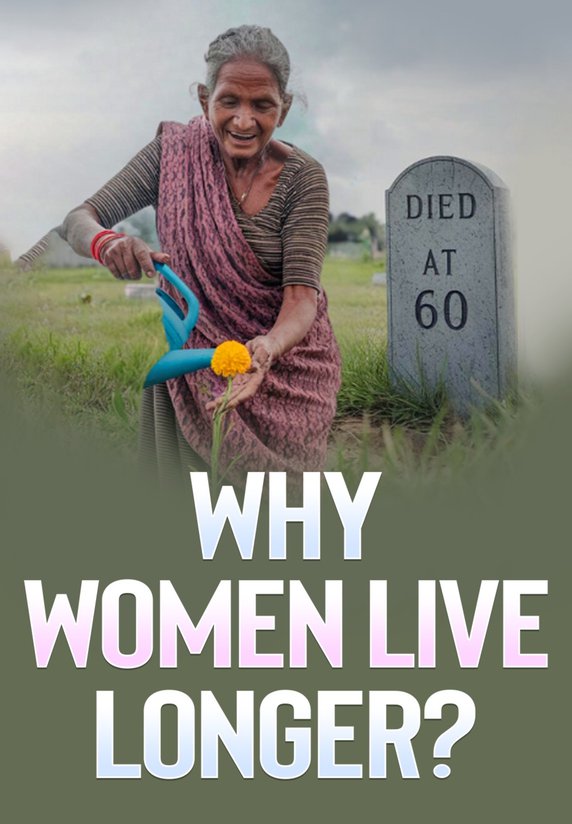
Women, paradoxically, wield a silent yet profound paradox in their very lifespan. They outlive men by substantial margins, navigating decades more of existence and accumulation of untold experiences. Yet as the twilight years approach, the glaring discrepancy emerges: they retire with markedly less financial security. This perplexing paradox is not just a matter of numbers and statistics; it is an intricate tale woven with threads of societal constructs, economic inequality, and ingrained gender roles. To fathom why women live longer but retire with less, we must dive beneath the surface—exploring biology, economics, cultural norms, and systemic barriers.
The Longevity Advantage: Biology and Beyond
It is a biological truth that women tend to outlive men globally, a phenomenon observed across nearly all populations. The reasons are multifaceted—tied to genetics, hormones, and lifestyle differences that privilege women with a certain resilience. Estrogen, the quintessential female hormone, offers protective benefits against heart disease and supports immune function. Menstrual cycles might act as a form of natural “blood cleansing” through periodic shedding, potentially reducing cardiovascular risks.
However, biology alone cannot account for the entire disparity. Behavioral patterns also play a crucial role. Men, historically and statistically, engage in riskier behaviors—higher rates of smoking, alcohol consumption, and hazardous occupations contribute to their relatively truncated lifespans. Women’s social roles and cautionary approaches towards health amplify their survival edge. Yet, the triumph of longevity carries with it a sobering caveat: more years to live, but not necessarily more years in economic comfort.

Economic Inequities: The Foundation of Financial Disparity
Living longer requires more financial resources—an undeniable reality that many women confront with stark disadvantages. Despite increased workforce participation over decades, women still earn less on average than men. The gender pay gap, a persistent and pernicious phenomenon, means less opportunity to save and invest. Compounded by career interruptions for caregiving—whether raising children or caring for elderly relatives—women’s lifetime earnings suffer significant reductions.
This erosion of economic stability trickles down, creating a fragile foundation for retirement. The disparity is not simply about numbers on a paycheck; it is about the insidious accumulation of lost opportunities, denied raises, and overlooked promotions. Social security and pension systems, often pegged to earnings and continuous employment, further exacerbate this issue, disproportionately disadvantaging women who face patchwork employment histories.

Retirement Realities: Wealth Accumulation and the Gender Gap
The financial rift widens as women approach retirement age. While longevity forecasts a longer post-work life, retirement savings tell a different story. Women retire with less wealth, fewer assets, and often higher debt burdens. This disparity manifests in various ways: smaller 401(k) balances, reduced pension benefits, and less investment in appreciating assets like stock markets or real estate. Predominantly, this stems from earlier wage suppression and intermittent labor force participation.
The result is a toxic cocktail—a longer life expectancy paired with diminished retirement resources. For many women, their extended years come with the gnawing anxiety of outliving their savings. The looming specter of financial insecurity casts shadows over what should be the golden years. Many are forced to rely on social assistance or skimp on essentials like healthcare, housing, and nutrition, sacrificing quality of life out of sheer necessity.
Social and Cultural Undercurrents: Gender Roles and Expectations
The roots of these disparities are entrenched deeply in social and cultural contexts. Traditional gender roles have long dictated women’s chances in the workforce and their financial autonomy. Women, often framed as primary caregivers and homemakers, bear the invisible labor of emotional and domestic work—tasks unaccounted for in economic measures but vital to societal functioning.
This cultural script pigeonholes women into secondary economic roles, reinforcing wage disparities and curtailed career trajectories. The systemic undervaluation of caregiving both socially and economically leaves women vulnerable in their later years. It is a sacrifice imposed by tradition and expectation, yet it yields a cruel irony: to live longer, yet retire poorer.
Policy and Structural Barriers: What Needs Changing?
To bridge this glaring chasm between longevity and financial security, structural reforms are imperative. Policies must embrace gender-sensitive approaches to retirement planning, acknowledging caregiving as a factor in pension and social security formulas. Wage transparency, paid family leave, affordable childcare, and equitable pay legislation can help dismantle the systemic barriers that impede economic parity.
Investment in financial literacy tailored toward women is critical, empowering them to make informed decisions about savings and retirement planning earlier in life. Moreover, the redefinition of retirement itself—incorporating flexibility, phased retirement, and perhaps new models of social support—can better align with women’s extended lifespans and unique life course patterns.
The Psychological Dimension: Navigating Longevity With Financial Stress
Beyond numbers, the psychological toll of retiring with less cannot be overstated. Extended years coupled with financial insecurity breeds vulnerability to stress, anxiety, and social isolation. Women, despite their longevity advantage, often confront the harrowing prospect of prolonged economic dependency, sometimes even returning to the workforce at an advanced age out of necessity.
The intersection of aging, finances, and mental health underscores the urgency to recognize and support women beyond the biological narrative. Longevity should not be a double-edged sword bearing economic hardship. Aging gracefully includes the right to dignity, financial autonomy, and peace of mind.
The Path Forward: Redefining Value and Equity
Ultimately, unraveling the paradox of why women live longer but retire with less demands a collective reckoning. It challenges entrenched assumptions about gender, labor, and financial worth. It insists that caregiving, longevity, and contributions beyond traditional economic metrics are valued and rewarded.
To honor women’s longevity is to ensure their extended journey is not shadowed by economic insecurity. The pathway forward must embrace bold policy shifts, cultural transformations, and an unwavering commitment to equity. Only then will the longer lives women enjoy be matched by the financial empowerment they so richly deserve.










Leave a Comment