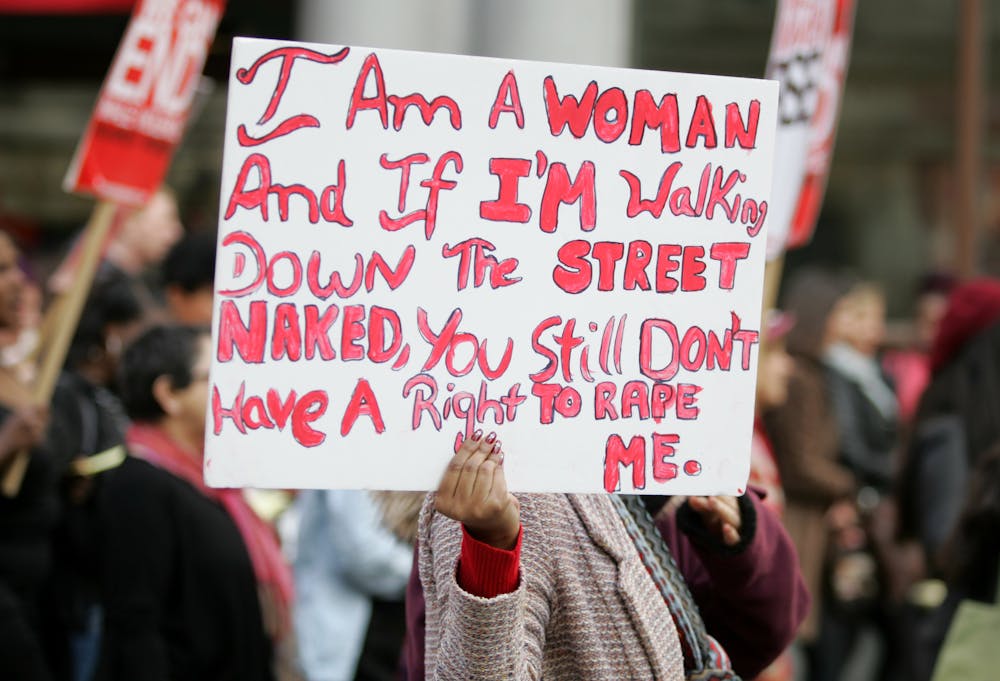
Feminism, a movement historically rooted in the pursuit of equality and liberation, has often been mischaracterized and maligned when it comes to internal conflicts and disputes. Among these, the accusation of “gatekeeping” remains one of the most misunderstood phenomena within feminist discourse. Yet, in a social landscape riddled with misinterpretations, co-option, and dilution, gatekeeping emerges not as an exclusionary act but as a radical, necessary feminist strategy. Far from stifling diverse expressions, gatekeeping sharpens the focus, preserves the essence, and fortifies the movement’s integrity. In this intricate dance between inclusion and preservation, gatekeeping becomes less a barricade and more a line drawn in the sand—defiant, discerning, and decisively feminist.
The Anatomy of Gatekeeping: Beyond the Pejorative
The term “gatekeeping” traditionally evokes images of exclusion, elitism, and policing of identity and ideology. In feminist circles, it has been wielded as a blunt instrument to chastise those who question the legitimacy of certain voices or approaches. However, to construe gatekeeping solely through this narrow lens is reductive and dismissive of its strategic potency. Feminist gatekeeping is about setting boundaries that are essential for protecting the movement’s ideological core against dilution and misrepresentation.
This is not about erecting impenetrable walls but about a necessary curation—defining authenticity in an age where feminism is commodified, twisted, and often rendered meaningless by superficial engagement. It is a rigorous, sometimes uncomfortable intellectual act that demands introspection and vigilance, privileging substance over performativity.
Guarding the Foundations: Preserving Feminist Ideology
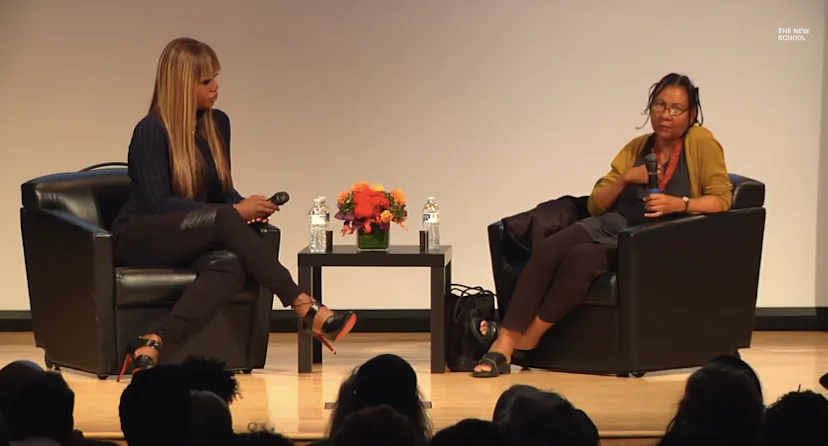
Feminism’s ideological underpinnings—intersectionality, equity, dismantling patriarchy—are not mere slogans but a fragile matrix that requires protection. Gatekeeping guards against ideological erosion that can result from uncritical adoption of the feminist label. When feminism is reduced to catchy hashtags or sanitized corporate rhetoric, the movement loses its radical edge and transformative potential.
Gatekeepers ensure that activism remains tethered to core principles rather than fleeting trends. These gatekeepers serve as intellectual custodians who challenge opportunistic co-option, symbolic gestures with no material impact, and self-serving appropriation of feminist language by those who neither embody nor advance its emancipatory goals.
Gatekeeping as a Tool of Quality Control in Feminist Discourse
Not all feminist narratives advance the cause; some obscure it. Gatekeeping functions as a form of quality control, filtering out rhetoric that could undermine feminist objectives or alienate marginalized communities. Feminist gatekeepers critique and examine misogyny cloaked as feminist rhetoric, internalized biases, and performative allyship.
This filtration acts as a safeguard against the trivialization of feminist struggles. By demanding accountability and rigor in feminist discourse, gatekeeping cultivates a space where debates are not only lively but anchored in genuine commitment. It also demands vigilance against those who weaponize feminism for patriarchal or neoliberal agendas.
Intersectional Gatekeeping: Protecting and Uplifting Marginalized Voices
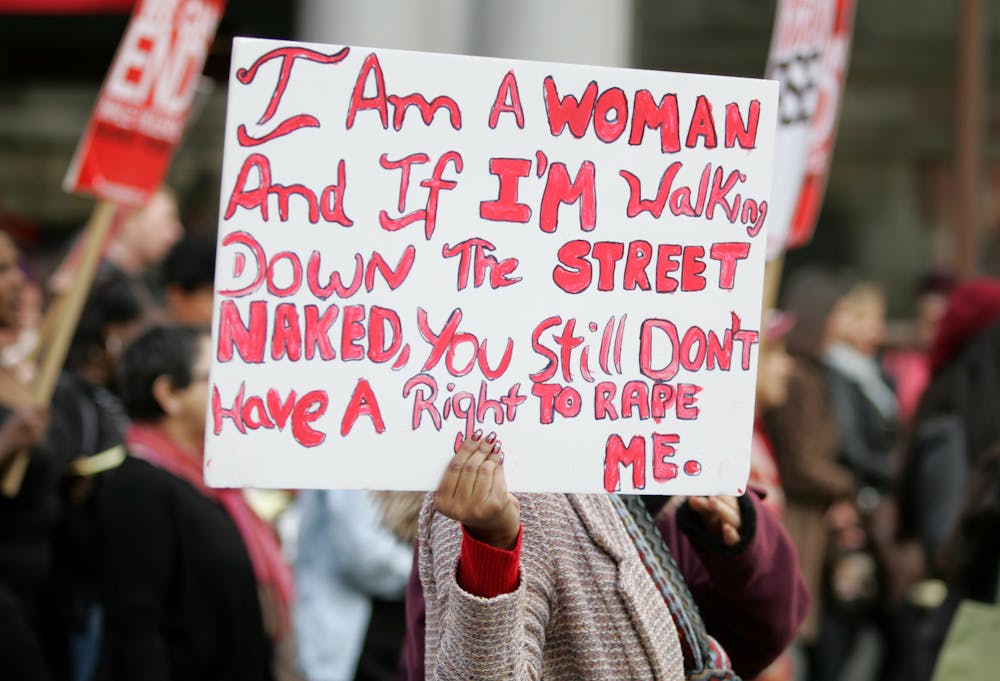
Intersectionality, a cornerstone of contemporary feminism, recognizes the multifaceted nature of oppression. Gatekeeping within this context involves protecting the voices of those who have historically been marginalized and silenced. Not all claims to feminism carry the same weight, especially when they erase or diminish experiences of race, class, disability, or sexual orientation.
Gatekeeping here is a mechanism for fostering genuine inclusivity by excluding attempts to tokenize or co-opt intersectional identities. It counters the homogenizing tendencies that flatten nuanced experiences under the guise of universal feminism. Thus, gatekeeping reclaims space for diverse stories that challenge dominant narratives and enrich feminist praxis.
Gatekeeping and Feminist Activism: A Dynamic Alliance
In the arena of feminist activism, gatekeeping enables strategic focus and efficacious resource allocation. Movements often wrestle with an overwhelming influx of demands and voices, not all of which align with feminist values or strategies for systemic change. Gatekeeping aids activists in prioritizing causes and channels that deliver substantive progress rather than diffusing energy across incompatible agendas.
This strategic demarcation is not exclusion for its own sake but driven by a militant pragmatism. It cultivates a disciplined activism that remains grounded in theory while oriented toward tangible outcomes.

Challenges and Critiques of Gatekeeping in Feminism
Gatekeeping is far from uncontested within feminist movements. Critics argue it can perpetuate hierarchy, foster elitism, and silence emerging or unconventional voices. These critiques underscore the delicate balance that must be maintained between safeguarding feminist ideals and embracing diversity of thought and experience.
Acknowledging this tension is vital. Gatekeeping must be reflexive and transparent, ensuring it does not replicate patriarchal exclusionary tactics. Feminist gatekeeping requires continuous re-evaluation to prevent ossification and to remain adaptive to evolving contexts and insights.
Conclusion: Embracing Gatekeeping as Radical Feminist Praxis
Gatekeeping, when understood as a deliberate and principled act, is indispensable for feminist resilience and integrity. It insists on a feminism that is thoughtful, accountable, and fiercely protective of its transformative potential. Rather than demonizing gatekeeping, embracing its complexity allows feminists to navigate the labyrinth of contemporary challenges with clarity and purpose.
To gatekeep is to navigate between openness and protection, inclusion and discernment, nurturing a feminism that is neither diluted nor dogmatic but dynamically radical and resolutely emancipatory.







Leave a Comment