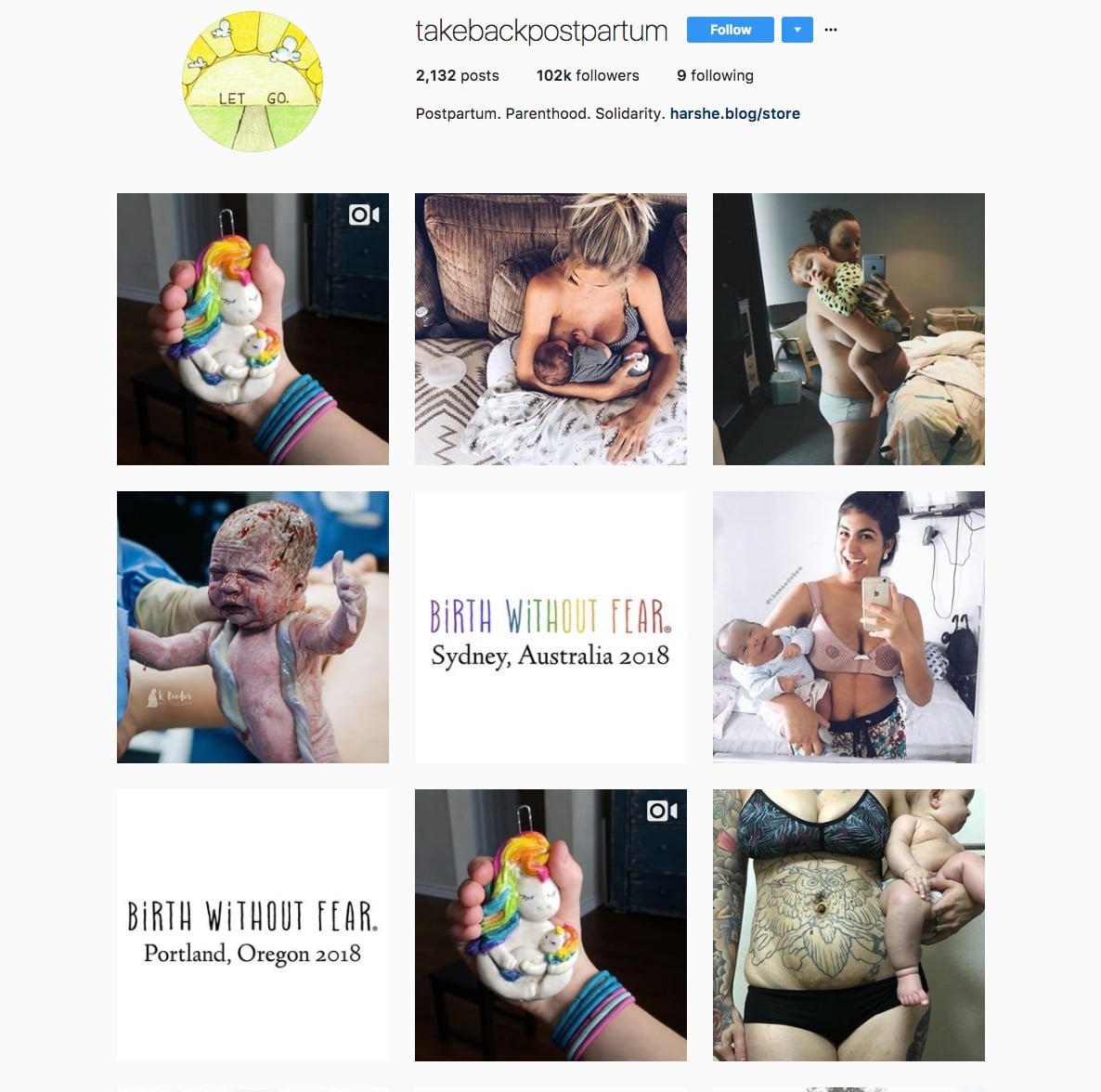
Peering beneath the glossy veneer of Instagram’s curated maternity feeds reveals a striking incongruity — the postpartum body featured in real life rarely mirrors the airbrushed perfection flaunted online. The raw, unvarnished reality of recovery after childbirth circulates in whispers and shadows, hidden behind pristine filters and idealized narratives. This divergence exposes a profound cultural denial and an undercurrent of shame that many new mothers grapple with silently. The postpartum body, often relegated to invisibility, demands a fierce reclamation. What follows is an excavation of the spectrum of postpartum expressions that disrupt sanitized social media, illuminating the types of authentic content that dare to confront, celebrate, and normalize the corporeal aftermath of childbirth.
The Unfiltered Visual Chronicle: Embracing Flaws as Truth
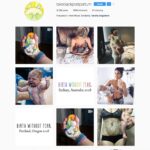
One of the most compelling forms of postpartum content is the unapologetically honest photographic documentation that refuses to conceal the complex textures of healing skin, stretch marks, swelling, and scars. These images shatter the myth of instant bodily restoration. They reveal not just the physical changes but the narrative etched upon the flesh — a testament to survival, metamorphosis, and resilience. On Instagram, such visuals boldly contest the glossy “bounce-back” ideology, offering instead a tapestry woven with sagging skin and indelible marks of motherhood. These photos transform the postpartum body from a subject of shame to one of profound dignity.
These raw portrayals instill a vital reminder: motherhood’s imprint is neither immaculate nor ephemeral. They invite viewers to deconstruct harmful beauty standards and embrace complexity and imperfection.
Stories Beyond the Surface: Emotional and Psychological Narratives
The postpartum journey transcends the dermal to existential realms, encompassing the kaleidoscope of emotions accompanying bodily transformation. Instagram posts that interlace candid narratives with visual content elevate the discourse, embedding vulnerability at their core. These narratives peel back the performative masks, revealing anxiety, grief, postpartum depression, and the tectonic shifts in identity that often accompany motherhood.
Such content operates as a balm for invisible wounds, offering solidarity through shared pain and triumph. The truth of postpartum—a rollercoaster of elation and despair—is rendered visible here in confessional posts, raw videos, and poignant captions that eschew euphemisms.
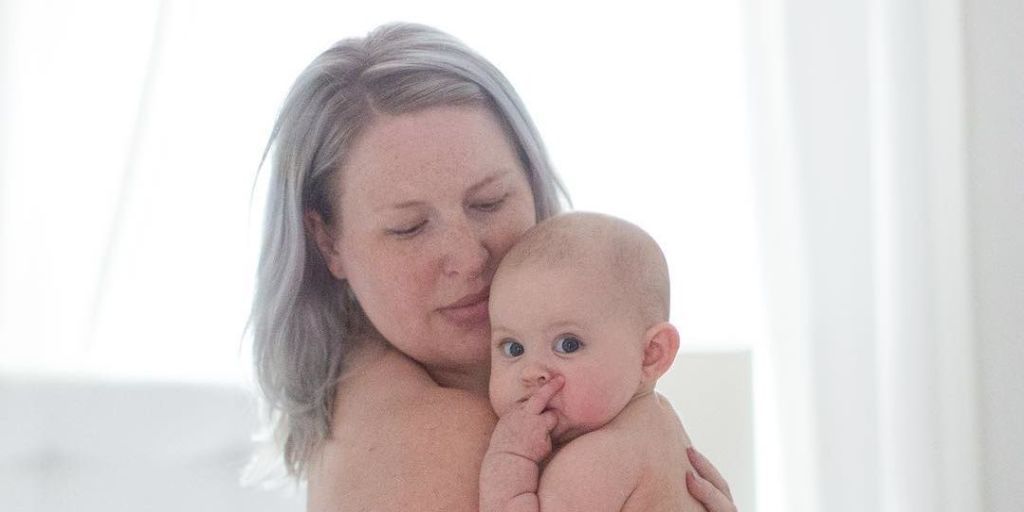
By intertwining the corporeal and psychological, these accounts challenge reductive views of motherhood as solely joyous or effortless.
The Spectrum of Postpartum Body Types: Celebrating Diversity
Instagram’s burgeoning postpartum movement recognizes no singular aesthetic ideal, instead showcasing a kaleidoscope of bodies marked by childbirth. Fat, thin, tall, short, tattooed, scarred, with differing textures of skin and musculature — the diversity is revolutionary in its dismantling of traditional beauty paradigms. Posts feature mothers of color, differently-abled bodies, and those who have birthed multiples or undergone cesarean sections, expanding representation beyond the monolithic archetype.
This inclusivity is not mere tokenism; it is a radical assertion that all postpartum bodies deserve visibility and respect. The multiplicity of stories reinforces that motherhood’s physical aftermath cannot be distilled into a one-size-fits-all narrative.
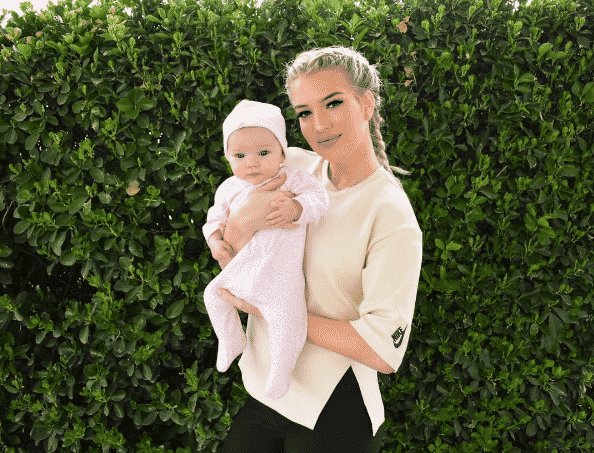
In defiance of sanitized commercial imagery, this diversity fosters an empowering ecosystem where difference is celebrated, not erased.
Function Over Form: The Untold Stories of Body Performance
Beyond aesthetics lies the unspoken appreciation for the postpartum body’s functionality — its capacity for labor, breastfeeding, healing, and profound endurance. Content foregrounding bodily performance reveals the extraordinary feats achieved in the face of trauma and exhaustion. Images and videos of pelvic floor exercises, postnatal yoga, and rehabilitation underscore the journey from vulnerability to strength.
These posts challenge the fixation on “looking good” by emphasizing what postpartum bodies can do rather than how they appear. They reclaim agency over the body, positioning recovery as an active, ongoing process rather than a fixed endpoint.
Moreover, such content often highlights the medical realities of postpartum life, including complications and recovery timelines, lending authenticity to the discussion and dismantling myths born from social media’s haste for perfect visuals.
Community and Solidarity: Creating Safe Spaces Amidst Judgment
Perhaps the most transformative effect of raw postpartum content is the creation of digital sanctuaries where mothers connect, commiserate, and empower one another. These virtual communities defy the dominant narrative of isolation and shame, fostering an atmosphere of radical acceptance.
Through hashtags, group chats, and interactive posts, participants forge alliances that transcend geography and class, proving that postpartum bodies are communal realities, not isolated struggles. This collective visibility becomes a form of resistance — a rallying cry against cultural silencing and invisibility.
These networks cultivate empowerment by normalizing postpartum experiences, emboldening women to reclaim narratives long distorted or ignored.
The Double-Edged Sword: Navigating Commercialization and Exploitation
However, the expansion of postpartum discourse on Instagram is not devoid of contradictions. The commodification of motherhood’s aftermath risks diluting its radical potential. Wellness brands, influencers, and opportunistic marketers often capitalize on vulnerability, packaging postpartum bodies into consumable aesthetics or wellness products promising “miraculous” rebounds.
This commercialization can perpetuate unrealistic standards under the guise of authenticity, complicating the activist impulse to dismantle oppressive beauty norms. It is imperative to critically navigate this terrain, discerning genuine empowerment from strategic market manipulation.
Authentic postpartum content thus exists in tension — co-opted yet resisting, celebrated yet exploited, hopeful yet fraught with ongoing societal pressures.
Conclusion: Towards a Radical Reimagining of the Postpartum Body
The postpartum body that rarely graces Instagram’s mainstream feeds — marked by scars, vulnerability, diversity, and resilience — demands more than visibility. It calls for a paradigmatic shift in how society conceptualizes and values maternal bodies. By embracing the unruly, uncomfortable, and extraordinary realities of postpartum life, content creators and consumers alike can dismantle pernicious beauty myths and uplift the intricate truths of motherhood.
This radical reimagining valorizes every postpartum body as a site of strength, struggle, and unyielding life force, dismantling silence and fostering a culture of unapologetic, collective embodiment.







Leave a Comment