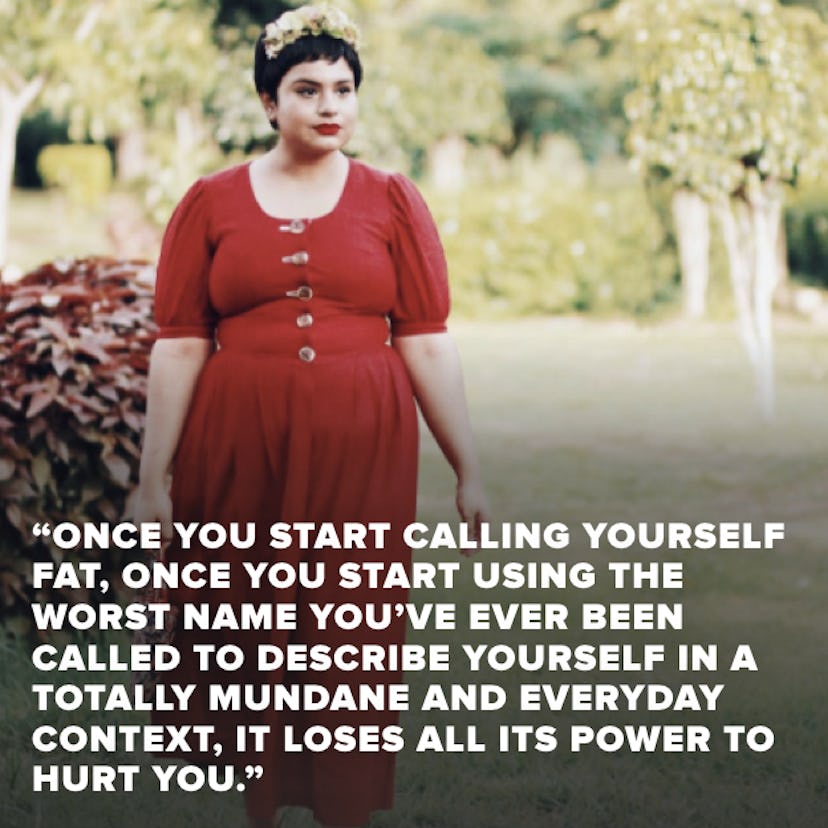
The word “fat” has long been wielded as a weapon—a linguistic dagger aimed at bodies that deviate from socially sanctioned ideals. Yet, in a radical twist of reclamation, women across the spectrum are embracing the term, transforming it from an insult to a badge of unabashed identity. This seismic shift is more than a semantic quibble; it is a revolt against cultural dictums that have dictated worth by waistlines and silhouette. The fascination with fat, then, is not merely about corporeal descriptors, but an excavation of the intertwined narratives of power, autonomy, and radical self-love.
The Etymology of Fat as a Weapon
The word “fat” was weaponized through centuries of ableist, capitalist, and patriarchal systems. It has been the shorthand for laziness, gluttony, or moral failure—shame piled upon flesh to enforce conformity. Yet the very linguistic oppression betrays a deeper societal anxiety: the inability to control bodies that refuse erasure or seamless assimilation into narrow aesthetic molds. When fat is not just a word but a social tool of exclusion, its reclamation disrupts a long-standing mechanism of oppression.
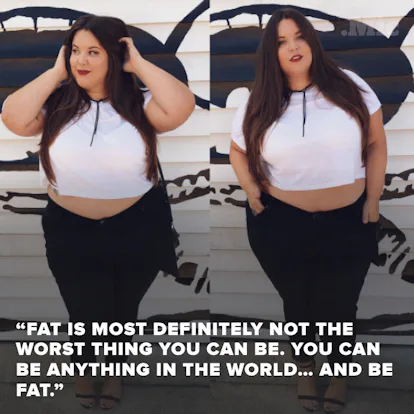
Reclamation as Defiance: The Politics of Naming One’s Own Body
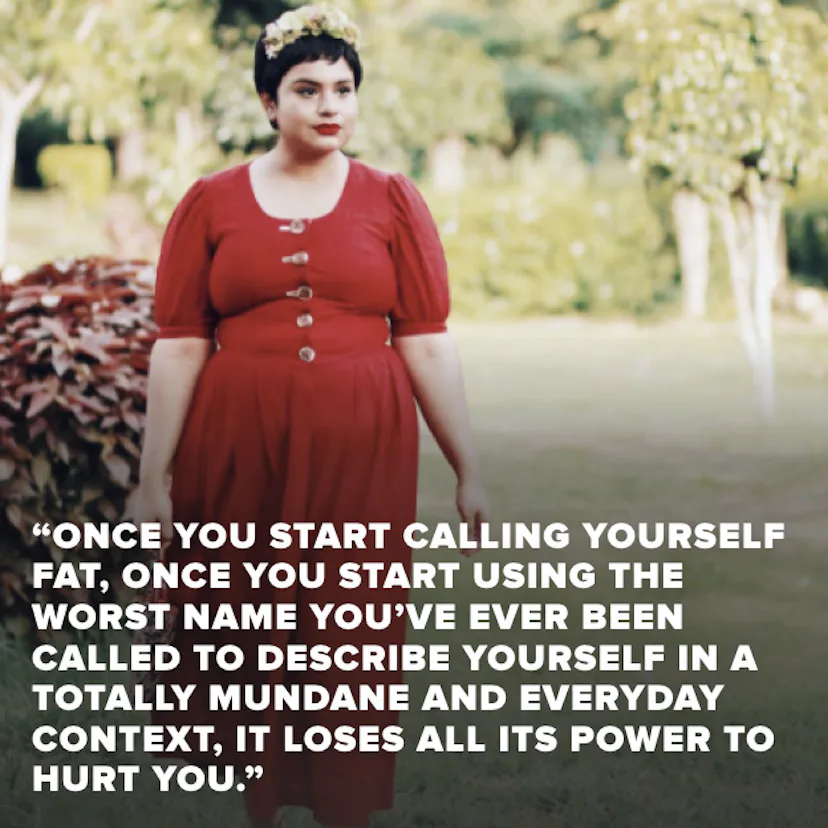
Language constructs reality, but it can also reconstruct power. To reclaim “fat” is to seize narrative sovereignty over one’s own body and identity. This act of defiance against the dominant discourse challenges the societal gaze that pathologizes bigger bodies. When women insist on “fat” as a descriptor, they deflate the venom injected into the term by transforming it into a neutral or even celebratory adjective. It is a radical refusal to apologize or seek euphemisms for being “other.”
The Fetishization and Fear of Fatness: A Cultural Quandary
The cultural obsession with fat is paradoxical: fascination laced with fear, desire tangled with disgust. On one hand, larger bodies have been fetishized for their perceived excess, on the other hand vilified as grotesque deviations from an ideal norm. This ambivalence—partially rooted in capitalist commodification of body image and partially in entrenched beauty standards—exposes fatness as a cultural battleground. The reclamation is a rebellion against this objectification, refusing reduction to either fantasy or flaw.
Intersectionality and Fat Liberation
Reclaiming fatness cannot be disentangled from the intersections of race, class, gender, and ability. Fatness is differently laden with stigma depending on intersecting identities, which complicates its reclamation but also enriches its significance. Fat women of color, queer fat bodies, and disabled fat individuals engage in reclamation not only to subvert mainstream narratives but also to carve spaces within their own communities that are often complicit in fatphobia. This nuanced dynamic underscores fat liberation as an inherently intersectional movement demanding recognition and respect beyond mere corporeal boundaries.
Psychological Repercussions of Linguistic Reclamation
Words shape self-perception. When fat is restored as an unadorned descriptor, it relieves the psychological weight imposed by stigmatization. This linguistic alchemy fosters self-compassion, allowing women to embrace their bodies with fewer fragments of internalized shame. Moreover, it challenges the pathological gaze of the medical-industrial complex that frequently conflates fatness with disease and moral failing, thereby advocating for a more holistic understanding of health and existence.
Fat as Feminist Resistance
Embracing “fat” is a feminist act because it disrupts patriarchal regimes that regulate women’s bodies. The demand to shrink, to modify, to disappear has been central to controlling female autonomy. Reframing fat as a neutral, even proud, term repudiates these demands and asserts bodily sovereignty. It is an embracement of imperfection and multiplicity, an insistence that women need not conform to sanitized templates to deserve dignity. This is feminism in its most radical, corporeally grounded form.
From Shame to Celebration: Cultural Shifts and Future Horizons
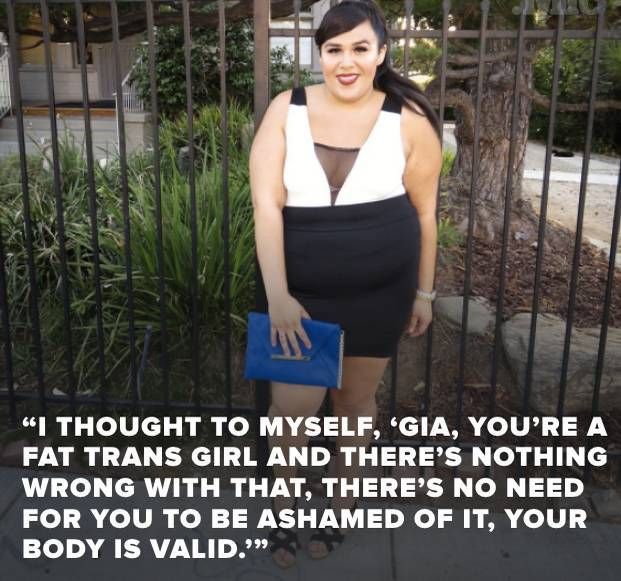
The reclamation of the word “fat” reflects broader cultural shifts fueled by body positivity, activism, and digital interconnectedness. Social media platforms have enabled fat women to claim space, share lived experiences, and dismantle myths surrounding their bodies. This collective voice challenges mainstream media’s reductive portrayals and fosters a climate of inclusion where fatness can be visible without apology. The horizon of this movement looks toward full acceptance and systemic change, where “fat” is neither an insult nor a curiosity but simply a facet of human diversity.
Conclusion: The Radical Power of Reclaiming Fat
The fascination with the word “fat” and its reclamation is an emblem of profound ideological upheaval. It forces an acknowledgment that bodies exist beyond binary valuations of good or bad, healthy or unhealthy, desirable or repulsive. To name oneself fat without shame is to rewrite stigmatizing narratives, to democratize acceptance, and to construct a world where linguistic power is wielded not to exclude but to emancipate. It is a reclamation grounded in truth and resilience—a reclamation that insists on dignity, complexity, and fierce love for the self.






Leave a Comment