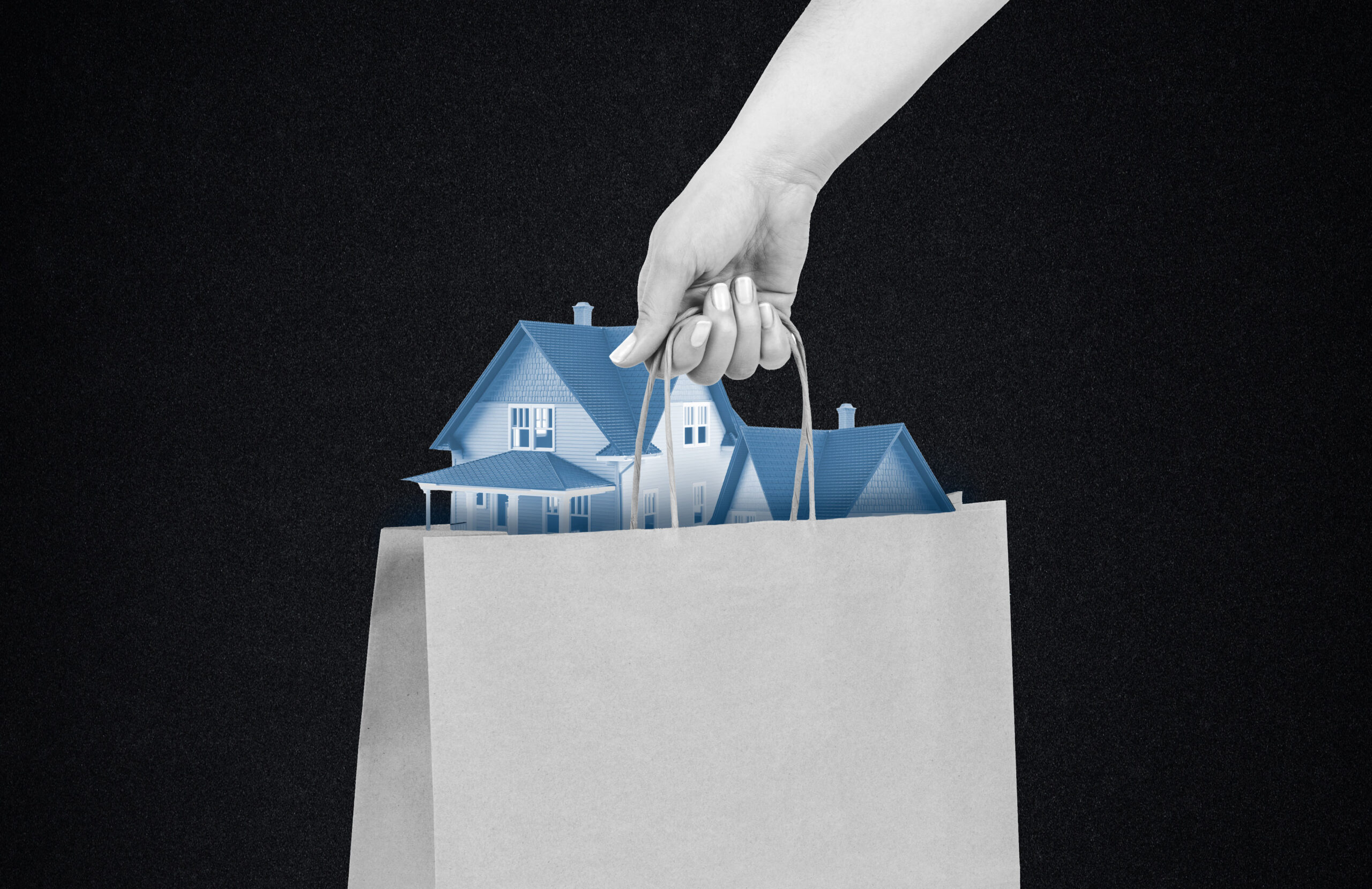
Why is it that when women stride confidently into the real estate market, wielding keys to their own castles, some men appear visibly unsettled? Could it be that the age-old narrative of homeownership as a masculine rite of passage is quietly crumbling beneath the heels of determined, independent women? As women increasingly claim their right to own property solo, a subtle yet profound challenge is posed—not only to the housing industry but also to societal constructs of gender and power. Let’s unravel the intricate dynamics behind why women buying homes alone both empowers them and ruffles feathers in traditionally male-dominated spheres.
The Rise of Solo Female Homebuyers: A Paradigm Shift
For decades, the image of a homeowner was implicitly that of a man—the breadwinner, the provider, the one with the stable job and the credit score to back it up. But picture this: the rise of single women staggering traditional norms by snapping up homes at rates twice those of single men. This phenomenon is not merely statistical hyperbole; it signals a seismic recalibration in how economic agency is distributed.
Driven by improved economic independence, enhanced financial literacy, and an unyielding resolve to dismantle patriarchal shackles, women are rewriting the narrative. It’s more than just buying property; it’s about reclaiming autonomy, crafting personal sanctuaries free from societal approval or partnership dependency. Single women’s growing presence in the housing market broadcasts a simple yet revolutionary message: ownership is no longer a man’s game.

What Makes Male Discomfort So Noticeable?
When the proverbial glass ceiling shatters, shards are bound to prick. Men’s discomfort over women buying homes alone emerges as a cocktail of cultural conditioning and evolutionary social scripts. Historically, property ownership has been wielded as a symbol of control and status within male hierarchies. To see women possess this symbol independently unsettles ingrained notions of masculinity.
Moreover, there’s an undercurrent of anxiety linked to competition—if women can secure assets independently, what does this imply about traditional male roles as providers or protectors? The reaction is often unspoken but palpable: a creeping insecurity that upends the long-standing power equilibrium. This discomfort sometimes manifests as dismissiveness, passive-aggressive remarks, or bewilderment at women’s financial audacity.
Economic Empowerment Versus Societal Expectations
At the heart of this shift lies a tension between burgeoning economic empowerment of women and persistent societal expectations. Despite winning battles in education and career advancement, women still wrestle with cultural narratives that position them as secondary earners or caretakers. Owning a home alone, therefore, is not merely a financial transaction—it’s a subversive act.
This act challenges the stereotypical roadmap: marriage, joint ownership, and reliance on male financial backing. Instead, single women carving out independent property ownership disrupt the status quo, embracing self-reliance as a political statement. The home becomes a fortress of autonomy, a physical testament to a woman’s capability and resilience. This divergence from societal expectation can provoke confusion or resistance from those clinging to archaic gender roles.

The Psychological Liberation of Ownership
Owning a home solo is more than a financial milestone; it signifies profound psychological freedom. For many women, it represents control over space, choices, and identity—elements historically denied or negotiated within patriarchal infrastructures. This liberation allows women to design lives unmediated by male influence, fostering confidence and a deep sense of accomplishment.
Furthermore, the act of purchasing a home alone often involves surmounting systemic barriers such as lending biases, credit disparities, and wage gaps. Triumphing over these hurdles not only cements financial stability but also fortifies mental fortitude. The ownership of a home morphs into a catalyst for broader empowerment, reshaping self-perception and societal engagement.
Challenges and Barriers Unique to Solo Female Buyers
Though their numbers swell, single women in the housing market confront unique obstacles shaped by entrenched gender biases and economic realities. These challenges range from obtaining fair mortgage rates—where some lenders may still harbor subconscious biases—to navigating affordability in markets plagued by escalating costs and stagnating wages.
Additionally, women balancing homeownership with caregiving responsibilities or career demands face a multifaceted juggling act. There’s also the thorny topic of safety and neighborhood selection, often more acute for women living alone. These nuanced hurdles demand resilience and resourcefulness, making the achievement of solo homeownership even more formidable and commendable.
What the Future Holds: A New Blueprint for Homeownership
As more women continue to buy homes alone, the ripple effects on culture, economy, and gender relations will deepen. We can anticipate the real estate industry evolving to cater more thoughtfully to female buyers—tailoring services, financial products, and support systems. Simultaneously, the traditional script of homeownership will broaden to celebrate diverse family structures and ownership models.
This progression also invites a cultural reckoning. Men—and society at large—must confront the discomfort of shifting power paradigms with reflection rather than resistance. The normalization of women as independent property owners invites richer, more equitable narratives around wealth, security, and identity.
Conclusion: Reimagining Power, Possession, and Identity
So, what provokes men’s discomfort when women buy homes alone? The answer reverberates beyond real estate into the core of societal power structures. These women aren’t just purchasing property—they’re reclaiming agency, reconfiguring gendered expectations, and spearheading a quiet revolution. The playful question lingers: is the discomfort borne from a reluctant acknowledgment that the future belongs to those who dare to own it alone?








Leave a Comment