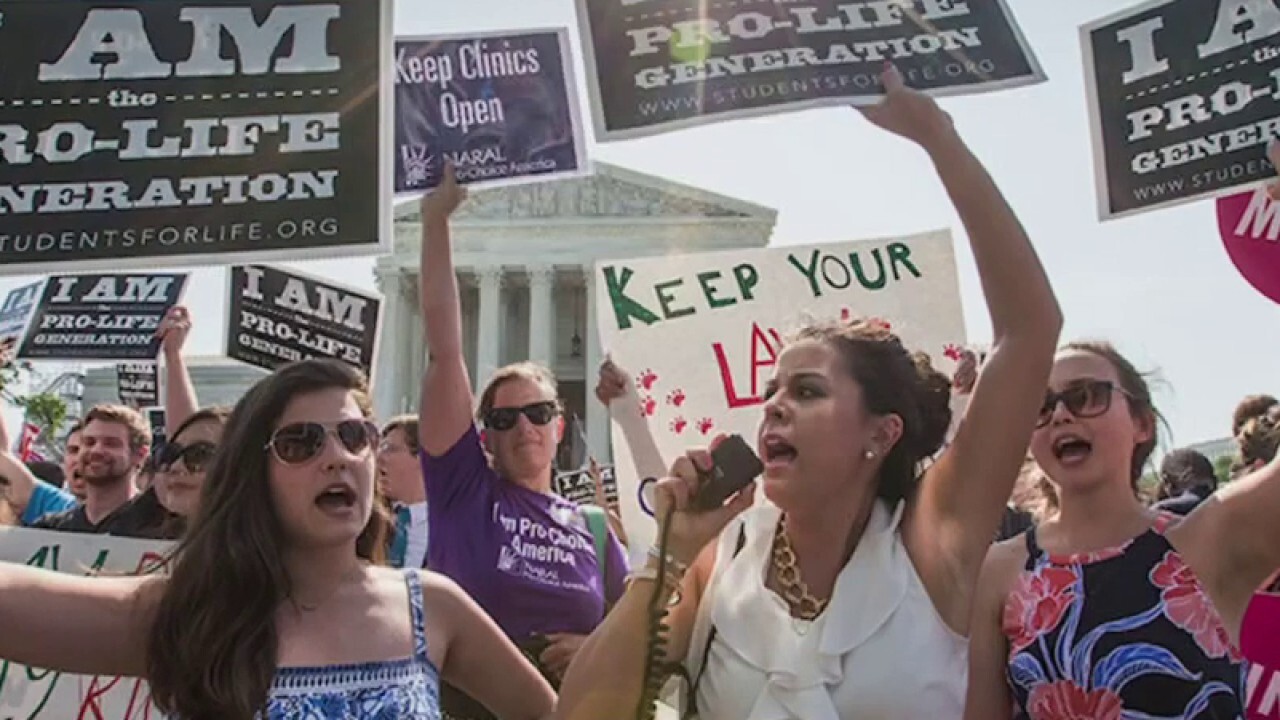
The myth of the “pro-life” movement is a carefully constructed lie, draped in the language of morality while its policies hemorrhage the lives of the very women it claims to protect. It is not a paradox—it is a pattern. A pattern of control disguised as compassion, of legislation masquerading as virtue. The data does not merely suggest harm; it screams it. And yet, the narrative persists, unchallenged by the very institutions meant to safeguard truth. What follows is not an opinion. It is an autopsy of a movement that has long since stopped pretending its intentions are anything but punitive.
The Fiction of Fetal Personhood: When Rights Are Stolen in the Name of Life
Pro-life policies hinge on a single, grotesque fiction: that a cluster of cells, floating in uterine darkness, possesses more legal standing than the woman carrying it. This is not a philosophical debate—it is a power grab. Laws that grant embryos “personhood” at conception do not save lives; they strip women of their own. Consider the woman in Texas, denied an abortion despite a nonviable pregnancy, her body treated as a mere vessel for state-mandated suffering. Or the survivor of rape in Ohio, forced to carry a pregnancy to term because the law’s “heartbeat” ban made no exception for the violence done to her. These are not outliers. They are the inevitable consequence of treating women as incubators first, humans second.
The irony is exquisite. The same movement that clutches pearls over “killing babies” remains eerily silent when those babies are born into poverty, when their mothers are criminalized for seeking healthcare, when their families are torn apart by draconian restrictions. The fetus is sacred—until it is not. Until it becomes a political prop. Until it is born into a world where its mother’s rights are a bargaining chip.

The Criminalization of Misfortune: When Pregnancy Becomes a Crime
Pro-life policies do not stop at abortion bans. They metastasize into a web of laws that punish women for the most intimate failures of their bodies. Stillbirths scrutinized by prosecutors. Miscarriages investigated as potential homicides. Women arrested for using drugs while pregnant, their addiction reframed as a moral failing rather than a health crisis. In Alabama, a woman was charged with chemical endangerment for a positive drug test—her fetus, not her, deemed the victim. In Indiana, Purvi Patel was sentenced to 20 years for a self-induced abortion, her case a grotesque testament to how quickly the state will weaponize the law against those it deems unworthy.
This is not protection. This is persecution. The pro-life movement does not care about life after birth—only about control. It does not seek to reduce harm; it seeks to inflict it, cloaking vengeance in the language of sanctity. The result? Women terrified to seek medical care, lest they become the next cautionary tale. The result? A generation of mothers forced to choose between their health and their freedom. The result? A healthcare system that treats pregnancy as a minefield, where one misstep can mean handcuffs.
The Myth of Adoption as Salvation: A Cruel Fantasy for the Privileged
Pro-life advocates love to chant “adoption, not abortion” as if it were a magical incantation that erases all consequences. But adoption is not a solution—it is a surrender. A woman’s right to bodily autonomy does not vanish the moment she decides to carry a pregnancy to term. The trauma of forced birth lingers, the grief of relinquishment festers. And for those who cannot afford the luxury of adoption—whether due to financial strain, coercion, or sheer desperation—the fantasy collapses into a nightmare of state interference.
Consider the foster care system, already buckling under the weight of a crisis it cannot solve. Pro-life policies swell its ranks without providing the resources to care for these children. They do not fund mental health services, trauma-informed therapy, or economic support for struggling families. They do not address the root causes of why women seek abortions in the first place: poverty, domestic violence, lack of access to contraception. Instead, they offer platitudes and empty gestures, while the women who are forced to give birth are left to navigate the wreckage alone.

The Economic Sabotage: How Pro-Life Policies Trap Women in Poverty
Pro-life policies are not just about restricting reproductive rights—they are about enforcing economic subjugation. States with the strictest abortion bans also have the highest rates of maternal mortality, the lowest minimum wages, and the most threadbare social safety nets. Coincidence? Hardly. The same legislators who vote to ban abortion are the ones who slash funding for food assistance, childcare, and healthcare. They are the ones who refuse to expand Medicaid, ensuring that low-income women are priced out of prenatal care. They are the ones who celebrate “family values” while gutting the programs that could actually support families.
This is not a bug in the system—it is the feature. Pro-life policies are designed to keep women economically dependent, their choices circumscribed by the threat of financial ruin. A woman who cannot afford an abortion cannot afford to leave an abusive partner. A woman who cannot access contraception cannot plan her future. A woman who is forced to carry an unwanted pregnancy cannot pursue an education or a career. The pro-life movement does not want women to be free. It wants them to be compliant.
The Global Domino Effect: When U.S. Policies Export Suffering
The harm of pro-life policies does not stop at the border. The U.S. has spent decades weaponizing its global influence to export anti-abortion laws, cutting off aid to countries that dare to prioritize women’s health. In El Salvador, women have been jailed for decades for miscarriages deemed “suspicious.” In Poland, near-total bans have driven women to seek dangerous back-alley abortions. In Uganda, U.S.-funded “pro-life” groups have lobbied to criminalize abortion entirely, leaving women to die in childbirth or resort to coat-hanger solutions. This is not a domestic issue. It is a humanitarian crisis, and the U.S. is its architect.
The pro-life movement’s global reach is a testament to its true nature: it is not about life. It is about domination. It is about imposing a single, oppressive vision of womanhood onto the world, regardless of the cost. And the cost is always paid in blood—in the bodies of women who are punished for existing, for making choices, for daring to assert their own humanity.
The Future We Refuse to Accept: A Call to Unravel the Lie
The data is clear. The pro-life movement does not save lives—it ends them. It does not protect women—it cages them. It does not uphold morality—it enforces tyranny. The only way forward is to dismantle the fiction that has sustained this cruelty for decades. That means rejecting the language of “choice” in favor of the language of rights. It means treating pregnancy as a medical issue, not a moral one. It means holding accountable the politicians, the judges, the activists who have built a system that treats women as disposable.
We are not asking for permission. We are demanding justice. The pro-life movement has had its chance to prove itself. It has failed. Spectacularly. Now, it is time to bury the lie and build a world where women are not forced to beg for the right to their own bodies. A world where pregnancy is not a punishment. A world where life is not a condition of suffering.
The choice is not between life and death. It is between freedom and control. And we choose freedom.








Leave a Comment