
Communities pride themselves on the axiom: “It takes a village to raise a child.” This ancient wisdom has long underscored the interconnectedness of human lives, the idea that caregiving, nurturing, and societal growth are collective responsibilities. Yet, beneath this warm communal ideal lies a harsher truth—while the village depends heavily on women’s labor, time, and resilience, it exacts a costly toll, often charging women rent through invisible demands, social expectations, and systemic inequalities. This duality is a story of empowerment entangled with exploitation, a saga that demands critical scrutiny and relentless advocacy.
The Village as a Matriarchal Backbone
Women form the indispensable scaffolding within any community. They embody the roles of nurturers, educators, organizers, and emotional anchors. Their contributions ripple far beyond the confines of their households, extending into schools, local economies, communal traditions, and informal networks of support. Through maternal labor—both paid and unpaid—women engage in a Herculean task of sustaining life and culture simultaneously.
Yet, the village often overlooks that this “invisible work” is not incidental. It is the primal force that sustains the village’s heartbeat. Without women’s tireless, often unrecognized labor, a community would falter. This labor transcends mere childcare—it entails emotional regulation within families, the upkeep of traditions and collective memory, and often, grassroots activism that propels social justice forward.
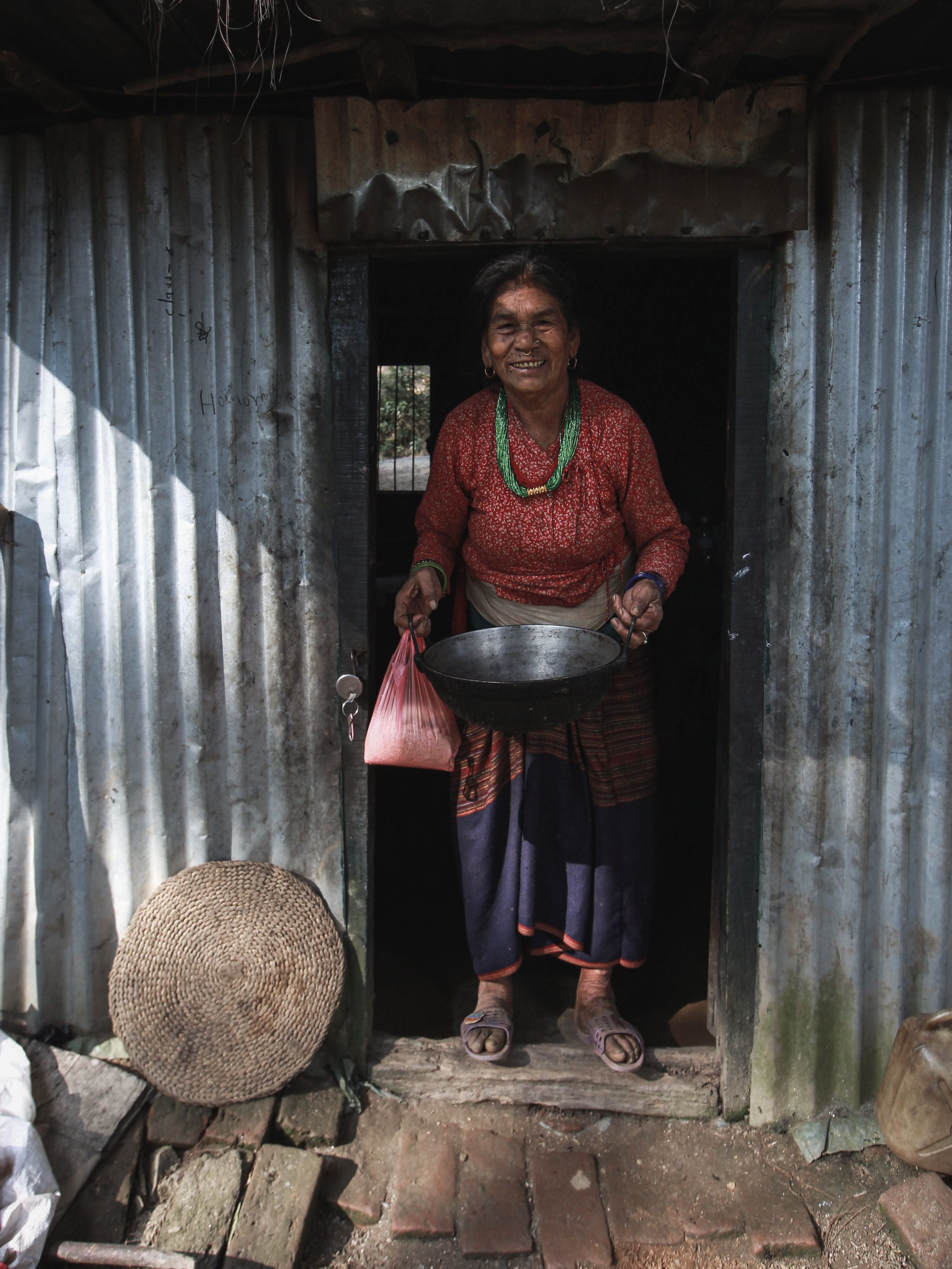
The Double-Edged Sword of Social Expectations
Every compliment about the “selfless village woman” masks an oppressive set of social diktats. Women face an encumbrance woven through communal expectations: to nurture endlessly, to compromise personal ambitions, to be the emotional soothed, the ultimate problem solver. This ceaseless demand is a ravenous toll, one that extracts from women the time and energy necessary for their liberation and self-realization.
The village, in praising women’s sacrifices, simultaneously binds them. It frames their labor as a moral obligation instead of a choice. These social expectations do not distribute evenly; women, particularly in marginalized and economically fragile communities, bear the brunt. They are tasked with orchestrating the village’s survival while sacrificing their own autonomy—a rent paid in invisible coins of labor and silence.
Economic Exploitation: The Unseen Rent Women Pay
Consider how the village’s economic structures rely heavily on unpaid and underpaid female labor. From subsistence farming to informal trade, caregiving to small-scale entrepreneurship, women’s economic contributions underpin the survival of entire communities.
Yet, most of these contributions evade formal recognition or recompense. Women’s work is frequently categorized as ‘helping out’ rather than as critical economic activity deserving wages. This systemic invisibility represents a form of rent—an economic extraction without equivalence. It siphons not only value but also potential wealth and independence that could enable women to reclaim control over their lives. Thus, the village charges rent not in money alone but in opportunity costs.
Violence and Control: The Village’s Dark Lease
The rent women pay extends beyond labor and economic invisibility. It also manifests as tacit permission for violence and control within the very spaces that should nurture them. Power dynamics within villages often cement patriarchal dominance, subordinating women’s freedom and safety.
This dark lease is maintained through norms that tolerate domestic violence, restrict mobility, impose dress codes, and dictate reproductive rights. These impositions ensure women stay embedded within the village’s structures but at the cost of their bodily autonomy and psychological well-being. The village’s claim on women becomes, in many contexts, a form of captivity disguised as community.

Resistance and Reclamation: Women Redefining the Village
Despite the oppressive rents charged, women are not mere passive tenants. Across the world, women are mobilizing to redefine what it means to belong to a village. They are reclaiming their labor, their bodies, and their rights through grassroots organizing, cooperative self-help groups, and bold political assertion.
Women’s resistance often manifests as community-building that challenges patriarchal norms—creating safe spaces for dialogue, fostering economic independence through micro-enterprises, and demanding equitable access to education and healthcare for all genders. These insurgent acts are more than survival strategies—they are radical reimaginings of community itself.
The Village Without Rent: Envisioning Feminist Communities
Envision a village where women’s labor is acknowledged and celebrated, where care is shared and valued, and where safety and autonomy are foundational. This vision requires dismantling entrenched patriarchy and reevaluating the social contracts that govern community life.
Feminist villages would redistribute domestic and economic responsibilities, dismantle harmful traditions, and promote policies that ensure wage equity, social protections, and legal safeguards against violence. In such a village, the social fabric is rewoven with threads of justice and equity, dismantling the extractive systems that currently charge women rent.
Ultimately, the proverb “It takes a village” should not be wielded as an excuse to appropriate and exploit women’s labor, nor as a veiled contract for endless sacrifice. It must be a call for collective responsibility that honors and values women’s contributions not through obligation, but through justice, freedom, and mutual respect.










Leave a Comment