Like a ghostly tide that washes over the cracked pavement of a metropolis indifferent to its own failures, she stood — a specter of silent protest. The die-in she orchestrated was not merely an act of defiance, but a ritual of illumination, casting stark shadows on a crisis veiled in silence: the persistent scourge of maternal mortality. Amidst a society that fetishizes progress but seldom heeds the whispers of dying mothers, her protest was a clarion call to awaken empathy and incite action.
The Anatomy of a Die-In: Death as Protest
A die-in is no ordinary demonstration. It is a choreography of stillness — a deliberate, visceral embodiment of loss and injustice. Participants lie motionless, as if time itself has halted at the precipice of tragedy, embodying those who have perished prematurely and unjustly. In this macabre tableaux, death becomes a language, grim and unyielding, that refuses to be ignored.
She understood this power intimately. The die-in was her metaphorical canvas, where each prone body sketched the invisible statistics into palpable humanity. The haunting silence of the protest echoed louder than any chant, seizing public consciousness and carving through the noise of apathy. This was not a plea; it was an indictment against a system that allows mothers to die while society turns a blind eye.
Maternal Mortality: The Silent Epidemic
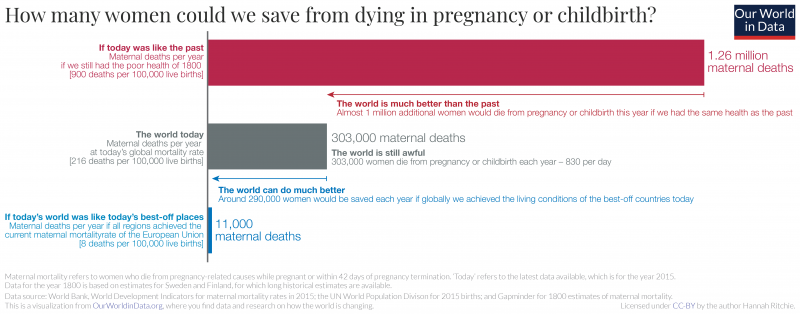
Behind every maternal death lies a complex constellation of social failings, systemic neglect, and medical disparities that converge like a perfect storm. The statistics are egregious: thousands of women worldwide vanish during or shortly after childbirth, victims of preventable causes. These deaths are not mere numbers; they are ruptured dreams, fractured families, and a grotesque testament to inequality masquerading as healthcare.
Her campaign peeled back the layers of obfuscation. It revealed how racial disparities exacerbate risks, how economic deprivation compounds vulnerability, and how bureaucracy often smothers urgent care beneath its indifferent machinery. Maternal mortality is not just a health issue — it is a brutally honest mirror reflecting society’s valuation of its women, particularly women of color and marginalized communities.
The Legacy of the Die-In: Raising Voices from the Silence
The die-in served not merely as a moment frozen in protest, but as a catalyst for conversation and disruption. Her orchestration transcended traditional activism, weaving together art, grief, and raw political urgency. The protest became a storytelling medium — a narrative of survival, loss, and resistance that demanded more than passive observation.
This movement amplified the voices often drowned out by the cacophony of institutional disregard. Families haunted by loss shared their stories; medical professionals exposed systemic failings; feminist advocates linked arms across movements to ensure maternal mortality was seen not as an isolated tragedy but a symptom of broader socio-political failings.
From Silence to Action: Demanding Structural Reformation
The power of her die-in was not confined to fleeting visibility. It was a strategic ignition point, propelling calls for concrete reforms into healthcare legislation and hospital accountability. Policies began to be scrutinized; funding for maternal health initiatives gained renewed urgency; training protocols were questioned and reimagined. She transformed grief into galvanized energy — the kind of seismic pressure necessary to tilt entrenched institutions toward justice.
To confront maternal mortality is to confront the very foundations of inequality. It demands a reckoning with how race, class, and gender intersect to determine a woman’s right to safe birthing experiences. Her protest foregrounded these uncomfortable truths, stripping away complacency and inviting society to be complicit in saving lives rather than counting tragedies.

A Call to Collective Awakening
Her die-in was a crucible — forging solidarity from sorrow, and urgency from despair. It demanded more than fleeting moments of awareness; it demanded sustained, collective awakening. Society must abandon its passive spectatorship and embrace active guardianship of maternal life. Every mother who dies represents a fissure in the social fabric — fractures that can heal only through collective recognition and relentless advocacy.
This struggle is not confined to clinics or courtrooms but unfolds in cultural narratives that shape how motherhood and womanhood are valued. The metaphor of the die-in endures as a stark reminder: death on this scale is a siege against humanity’s conscience, and silence is an accomplice to its perpetuation.
Conclusion: A Movement Beyond Mortality
In orchestrating the die-in, she harnessed death’s shadow to spotlight life’s precariousness. Her protest was not an endpoint, but a catalyst — a living, breathing movement that compels us to rewrite the narrative of maternal health. It challenges the passive acceptance of loss, demands accountability, and awakens a collective responsibility to safeguard the sanctity of motherhood.
When the bodies lay still on the cold ground, they spoke volumes. They whispered truths that could no longer be ignored, rupturing the comfortable illusions of progress. This was not just a protest against death — it was a defiant anthem for life, resilience, and the unyielding demand that mothers everywhere be seen, valued, and protected.










Leave a Comment