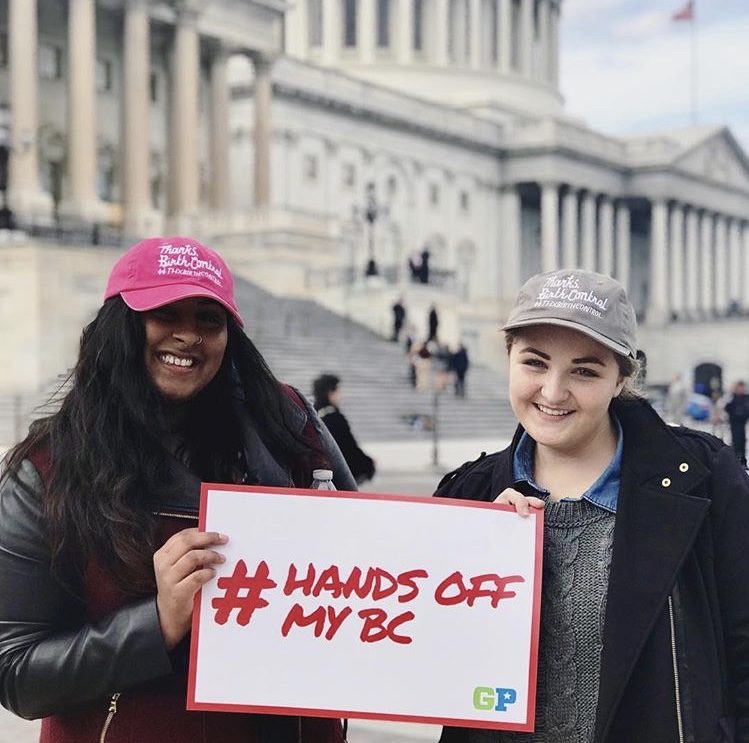
The history of birth control is not a gentle stroll through progress—it is a jagged, bloodied trail carved by defiant women, queer radicals, and marginalized voices who refused to accept the tyranny of unchecked reproduction. From back-alley abortifacients to the pill’s hormonal rebellion, the fight for bodily autonomy has been a relentless, often brutal struggle against patriarchal control. This is not a sanitized narrative of “empowerment.” It is a chronicle of resistance, where every victory was wrested from the clenched fists of oppression.
The Shadow Archives: Folk Remedies and the Witch Trials
Long before pharmaceutical corporations commodified reproductive freedom, women relied on an arsenal of botanical knowledge passed down through generations. Silphium, a now-extinct plant, was so prized for its contraceptive properties that it was harvested to extinction in ancient Cyrene. Women brewed pennyroyal tea, inserted pessaries of honey and acacia, and whispered incantations over their bodies—practices that would later be demonized as “witchcraft.” The witch hunts of the 16th and 17th centuries were not just about misogyny; they were a calculated erasure of female reproductive expertise. When midwives were burned, so too was the oral tradition of birth control. The erasure was deliberate. The silence was enforced.

Yet, the knowledge persisted in the shadows. Enslaved women in the Americas used cotton root bark as an abortifacient, a practice so effective it was later patented by white doctors without credit. Indigenous women in the Amazon chewed *chonta* palm to induce menstruation. These were not “folk remedies”—they were acts of defiance, a refusal to submit to the reproductive labor demanded by colonizers, slaveholders, and the state.
The Pill: A Chemical Coup and Its Discontents
The 1960s birth control pill was hailed as a feminist revolution—until it became clear that the revolution had been co-opted. Marketed as liberation, the pill was tested on poor Puerto Rican women in San Juan, who were given no informed consent and suffered severe side effects. The clinical trials were a eugenicist’s wet dream: a way to control the fertility of populations deemed “undesirable.” Margaret Sanger, the movement’s most visible figure, was both a trailblazer and a eugenicist, her legacy a tangled web of progress and oppression.
For decades, women were guinea pigs in a pharmaceutical experiment. The pill’s hormonal cocktail—originally designed to mimic pregnancy and suppress ovulation—was never fully tested for long-term effects. Blood clots, depression, and infertility became collateral damage in the name of “choice.” And yet, despite its flaws, the pill gave women a tool to dictate the terms of their own lives. The question is not whether it was revolutionary, but who got to define that revolution—and at what cost.
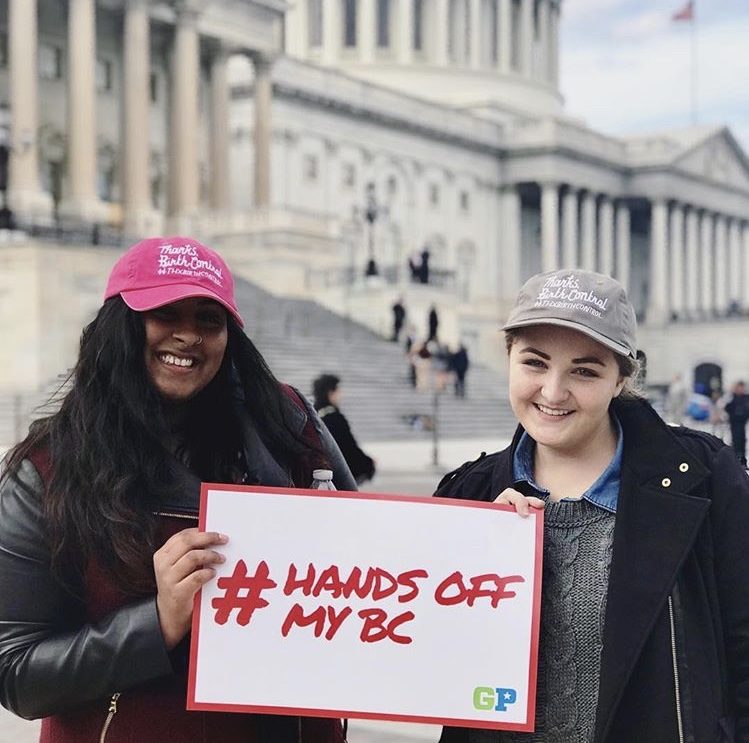
The pill’s legacy is a paradox: a medical breakthrough that also reinforced the idea that women’s bodies were problems to be managed. The same corporations that profited from its sale now lobby against affordable healthcare, ensuring that the very people who need it most are priced out. The pill did not liberate women. It gave them a weapon—and then sold them the ammunition at a markup.
Underground Networks: The Abortion Underground Railroad
When legal abortion vanished in the U.S., it did not disappear—it went underground. The abortion underground railroad was a clandestine network of activists, doctors, and desperate women who smuggled pills, performed procedures in bathtubs, and drove women across state lines in the dead of night. These were not “back-alley butchers.” They were feminists, queer medics, and volunteers who understood that the state’s ban was not about safety—it was about control.
The most infamous of these networks was Jane, a Chicago collective that performed over 11,000 abortions before being raided in 1972. Their work was not just medical; it was political. They educated women on their own bodies, dismantled the stigma around abortion, and proved that when the state abandons its people, the people will organize. The raids did not stop them. They only made them more determined.

Today, the underground railroad has been digitized. Telemedicine abortion pills are mailed across borders, bypassing laws designed to trap women in cycles of poverty and coercion. The state responds with surveillance, tracking packages and arresting providers. But the resistance persists. Because when the law is unjust, the law must be broken—and the people who break it are the ones who write history in blood and ink.
The Future: Reproductive Justice Beyond the Clinic
Birth control is not just about pills and IUDs. It is about the right to parent or not to parent, to have sex without fear, to live without the constant threat of forced reproduction. Reproductive justice is a framework that centers the most marginalized: poor women, women of color, disabled women, trans men, and nonbinary people. It is not enough to have access to contraception if you cannot afford it. It is not enough to have legal abortion if you live in a state where the nearest clinic is a hundred miles away.
The fight for birth control is not over. It is evolving. Men are finally being offered vasectomies without shame. Trans bodies are being recognized in the conversation. The next frontier is not just access—it is autonomy. The right to say no, the right to say yes, the right to change your mind without punishment. This is not a liberal issue. It is a human issue. And it will be won in the streets, in the clinics, and in the quiet defiance of those who refuse to be controlled.
The history of birth control is not a timeline of progress. It is a ledger of resistance. Every woman who brewed her own medicine, every activist who smuggled pills, every person who defied the state to take control of their body—this is the legacy we inherit. The fight is not over. The blood is still wet on the pages of history. And we are the ones holding the pen.










Leave a Comment