
There’s a peculiar tension in the air when a woman broaches the subject of consent with her male friends. It’s not just the weight of the topic—it’s the unspoken expectation that this conversation might disrupt the usual rhythm of banter, jokes, and casual indifference. Yet, it’s a conversation that must happen, because consent isn’t just a legal checkbox; it’s the foundation of every interaction where bodies, desires, and boundaries collide. This isn’t about policing desire or shaming attraction. It’s about dismantling the silent assumptions that have long governed how men and women navigate intimacy. The dialogue is awkward, yes. It’s necessary, absolutely. And it’s only the beginning of a much larger reckoning.
The Awkwardness Isn’t the Problem—It’s the Symptom
Awkwardness in these conversations isn’t a flaw; it’s a symptom of a systemic failure. Men, conditioned by decades of pop culture, locker-room talk, and societal scripts, often treat consent as an afterthought—a formality to be glossed over rather than a living, breathing negotiation. When a woman asks her male friends, “What does consent mean to you?” the silence that follows isn’t just discomfort. It’s the sound of a generation raised on the myth that desire is a force of nature, untamed and ungovernable, rather than a dialogue between equals. The stammering, the jokes, the deflection—these aren’t just social missteps. They’re the cracks in a facade that has long prioritized male entitlement over female autonomy.
Consider the man who responds with, “I’d never do anything without asking,” as if that’s the end of the discussion. It’s not. Consent isn’t a one-time permission slip; it’s an ongoing conversation, a series of micro-affirmations that acknowledge the fluidity of desire and the right to revoke at any moment. The awkwardness arises because many men have never been forced to confront the idea that their partners’ comfort is not a given but a requirement. It’s the cognitive dissonance of realizing that their own desires are not the sole axis of the interaction.

This isn’t about calling men predators by default. It’s about recognizing that the scripts they’ve inherited are woefully inadequate. The man who jokes, “I’d ask, but then she’d think I’m not confident,” is trapped in a paradox: confidence, in this context, isn’t about assuming access; it’s about respecting the possibility of refusal. The awkwardness fades when men realize that consent isn’t a test of their masculinity—it’s a test of their empathy.
From Silence to Scripts: Redefining the Language of Desire
Consent isn’t a monologue; it’s a duet. Yet, for many men, the language of desire is a solo performance, where their own urges dictate the tempo. The conversation about consent forces them to confront the absence of a shared vocabulary. What does “enthusiastic consent” sound like? How do you navigate the gray areas where desire wavers or enthusiasm is performative? These aren’t hypotheticals. They’re the lived experiences of women who’ve been taught to prioritize male comfort over their own discomfort.
One friend might say, “I’d just ask, ‘Is this okay?’”—a start, but insufficient. Enthusiastic consent isn’t a perfunctory “yes”; it’s a resounding “hell yes.” Another might argue, “If she’s not saying no, it’s implied,” revealing a dangerous assumption: that silence equals consent. This is the language of coercion masquerading as politeness. The shift requires men to unlearn the idea that their partners’ bodies are territories to be explored rather than shared spaces where every touch is a negotiation.
For women, this conversation is a minefield of emotional labor. They’re often the ones initiating the dialogue, framing the questions, and managing the fallout when men react defensively. It’s exhausting. But it’s also revolutionary. Every time a woman says, “I need to feel safe,” and a man listens, the script begins to rewrite itself. The goal isn’t perfection—it’s progress. The goal is a world where men don’t just tolerate these conversations but seek them out, where they ask their friends, “How do you handle it when someone isn’t into it?” and listen without getting defensive.
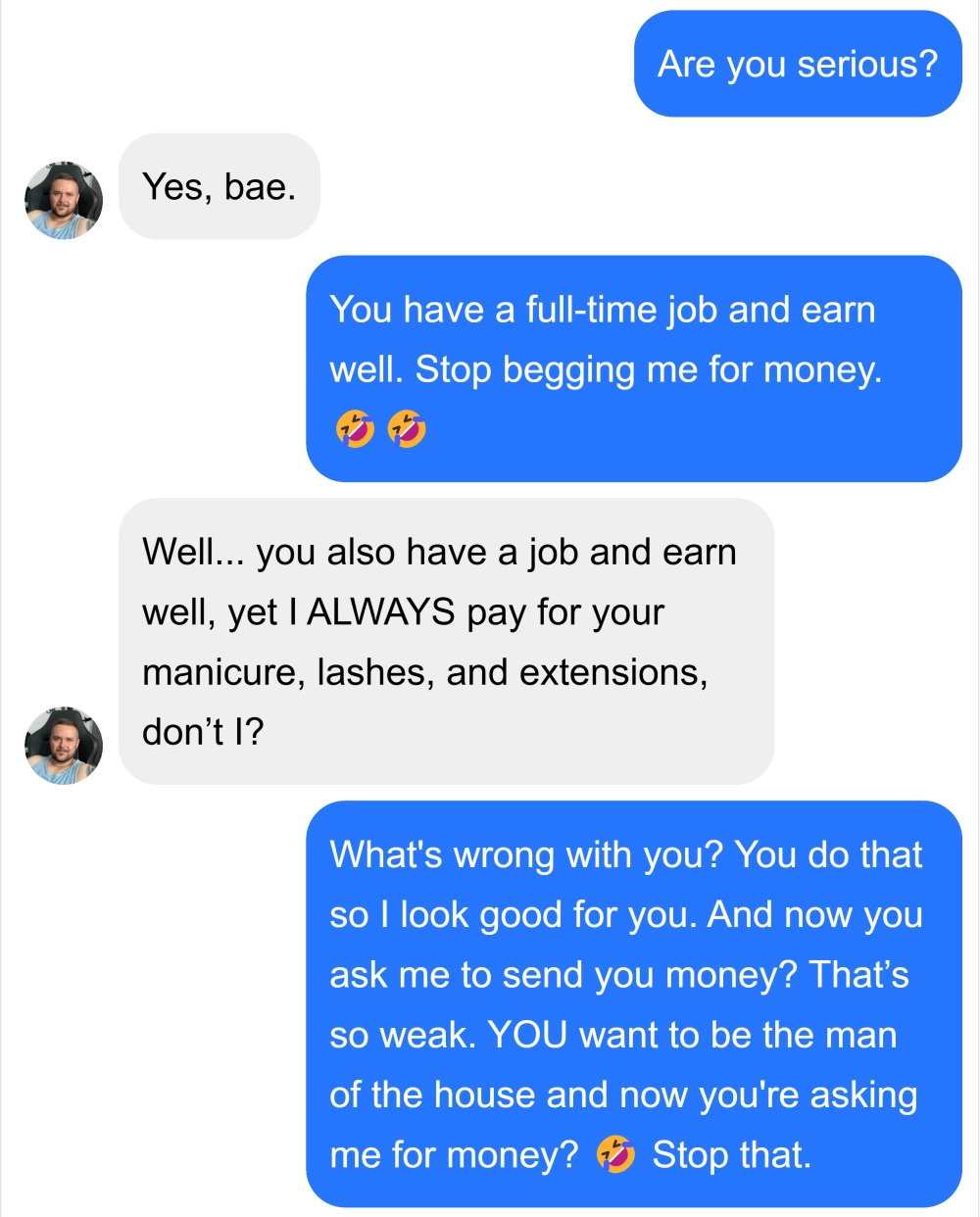
The language of consent isn’t just about avoiding harm; it’s about cultivating intimacy. It’s the difference between “Do you want to?” and “I’d love to, if you’re into it.” It’s the difference between a quick nod and a conversation that lingers, that checks in, that says, “I see you, and your comfort matters.” This isn’t about turning sex into a bureaucratic checklist. It’s about infusing every interaction with the kind of attentiveness that turns desire from a demand into a dialogue.
The Backlash: When Men Feel Challenged, Women Feel Exhausted
There’s a price to asking these questions. For men, the pushback can feel like an attack on their autonomy. “Why do you have to make everything so complicated?” they might say, as if the absence of consent is the simpler path. For women, the backlash is exhaustion—the mental labor of educating, the emotional toll of being dismissed, the frustration of watching men retreat into defensiveness rather than engage with the substance of the conversation.
Consider the man who responds with, “I get it, but not all guys are like that,” as if the existence of “good guys” absolves the system that enables the bad ones. Or the one who says, “You’re overthinking it,” as if his partner’s boundaries are a product of her imagination rather than a lived reality. These reactions aren’t just dismissive; they’re a form of gaslighting, a way to recenter male discomfort and make women doubt their own experiences.
The backlash isn’t just verbal. It’s structural. Women who advocate for consent are often labeled as “too intense,” “unfun,” or “frigid.” Men who take these conversations seriously risk being mocked as “simps” or “beta.” The irony? The men who resist these dialogues the most are often the ones who benefit from a system where consent is an afterthought. They’re the ones who’ve never had to question whether their partner’s silence was genuine or coerced. They’re the ones who’ve never had to wonder if their “confidence” was actually entitlement in disguise.
This backlash reveals the true stakes of the conversation. It’s not just about sex. It’s about power. And power, as we know, is never given willingly—it’s taken, or it’s demanded through relentless persistence. Women asking men about consent aren’t just seeking answers; they’re reclaiming agency in a world that has long treated their bodies as communal property.
The Ripple Effect: How These Conversations Change Everything
Every awkward conversation about consent is a crack in the foundation of patriarchal norms. It’s a small rebellion, a refusal to accept that male desire is the default and female comfort is negotiable. These dialogues don’t just change how men think about sex; they change how they think about relationships, respect, and their own role in dismantling oppression.
Take the man who, after years of treating consent as a checkbox, realizes that his partner’s hesitation wasn’t about “playing hard to get” but about genuine discomfort. That moment of clarity can reshape an entire dynamic. Or the friend group where one man starts calling out jokes that normalize coercion, not because he’s a saint, but because he’s begun to see the harm in the humor. These aren’t isolated incidents; they’re the first tremors of a cultural shift.
For women, these conversations are acts of defiance. They’re a refusal to accept the status quo, a demand for a world where “no” is a complete sentence and “maybe” is an invitation to check in. They’re a reminder that consent isn’t a one-time negotiation but a continuous practice, one that requires honesty, patience, and a willingness to sit with discomfort.
The ripple effect extends beyond bedrooms and into boardrooms, classrooms, and dinner tables. When men learn to listen without defensiveness, they become better partners, friends, and allies. When women stop apologizing for setting boundaries, they reclaim their autonomy. And when these conversations become the norm rather than the exception, we inch closer to a world where consent isn’t a radical act but a baseline expectation.
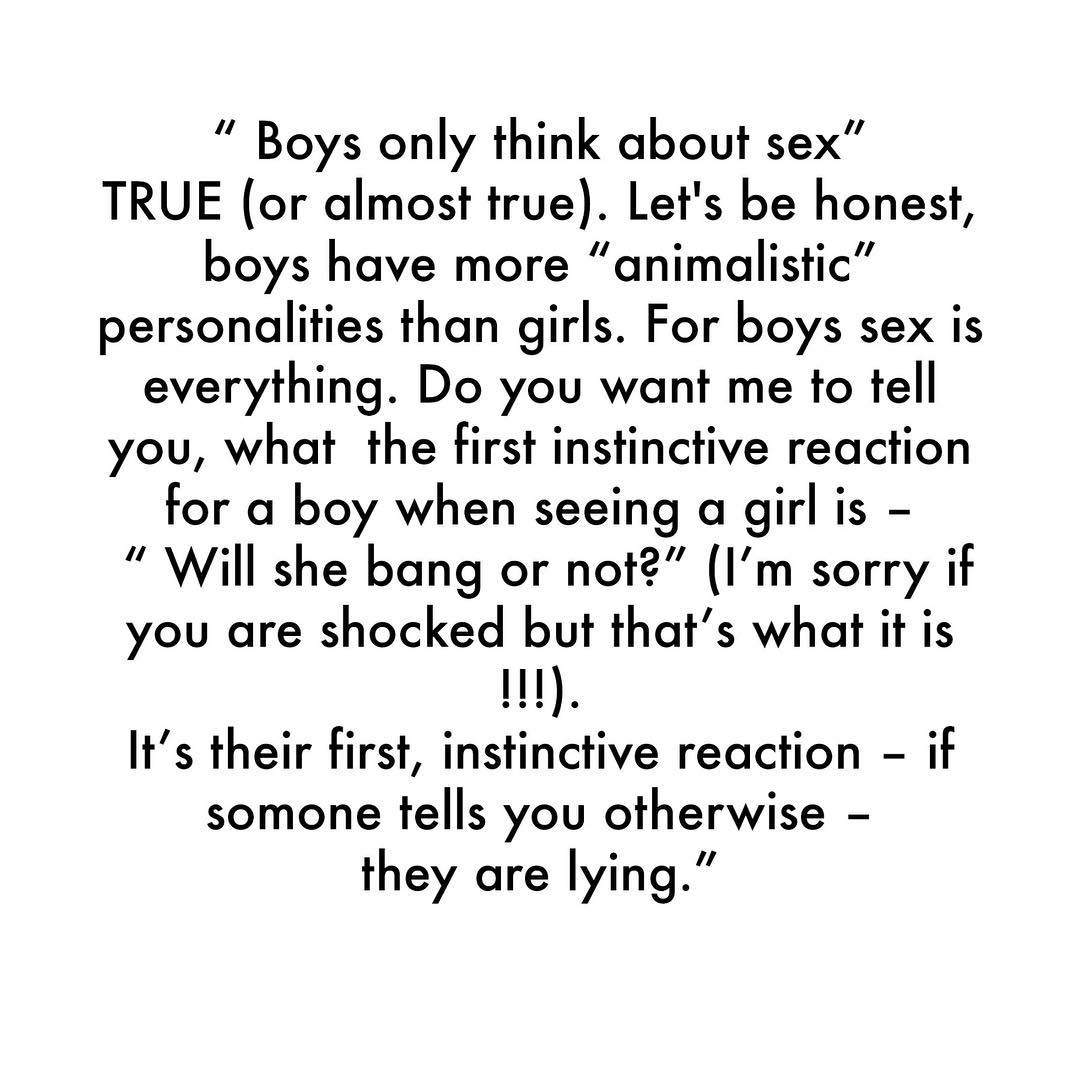
This isn’t about perfection. It’s about progress. It’s about the man who stumbles over his words but keeps trying. It’s about the woman who, after years of silence, finally says, “I deserve better.” It’s about the friend who, instead of laughing off a joke about consent, says, “That’s not funny.” These moments matter. They’re the building blocks of a culture where desire is a dialogue, not a demand, and where every interaction is an opportunity to affirm, rather than assume.
The Work Ahead: Beyond the Conversation
Talking about consent is necessary, but it’s not enough. The real work begins when men stop seeing these conversations as a chore and start seeing them as a responsibility. It’s in the way they hold their friends accountable, call out harmful behavior, and model the kind of respect that turns consent from a buzzword into a lived practice.
For women, the work is different but no less vital. It’s about setting boundaries without fear of backlash, demanding accountability without apology, and refusing to shrink in the face of male discomfort. It’s about recognizing that their safety isn’t a negotiation—it’s a right.
The road ahead is long. There will be missteps, awkward silences, and moments of frustration. But every conversation that starts with “Can we talk about consent?” is a step toward a world where intimacy isn’t a battleground but a collaboration. Where desire isn’t a demand but a dialogue. Where every “yes” is enthusiastic, every “no” is respected, and every “maybe” is an invitation to check in.
This is the work of a generation. It’s awkward. It’s necessary. And it’s only the beginning.







Leave a Comment