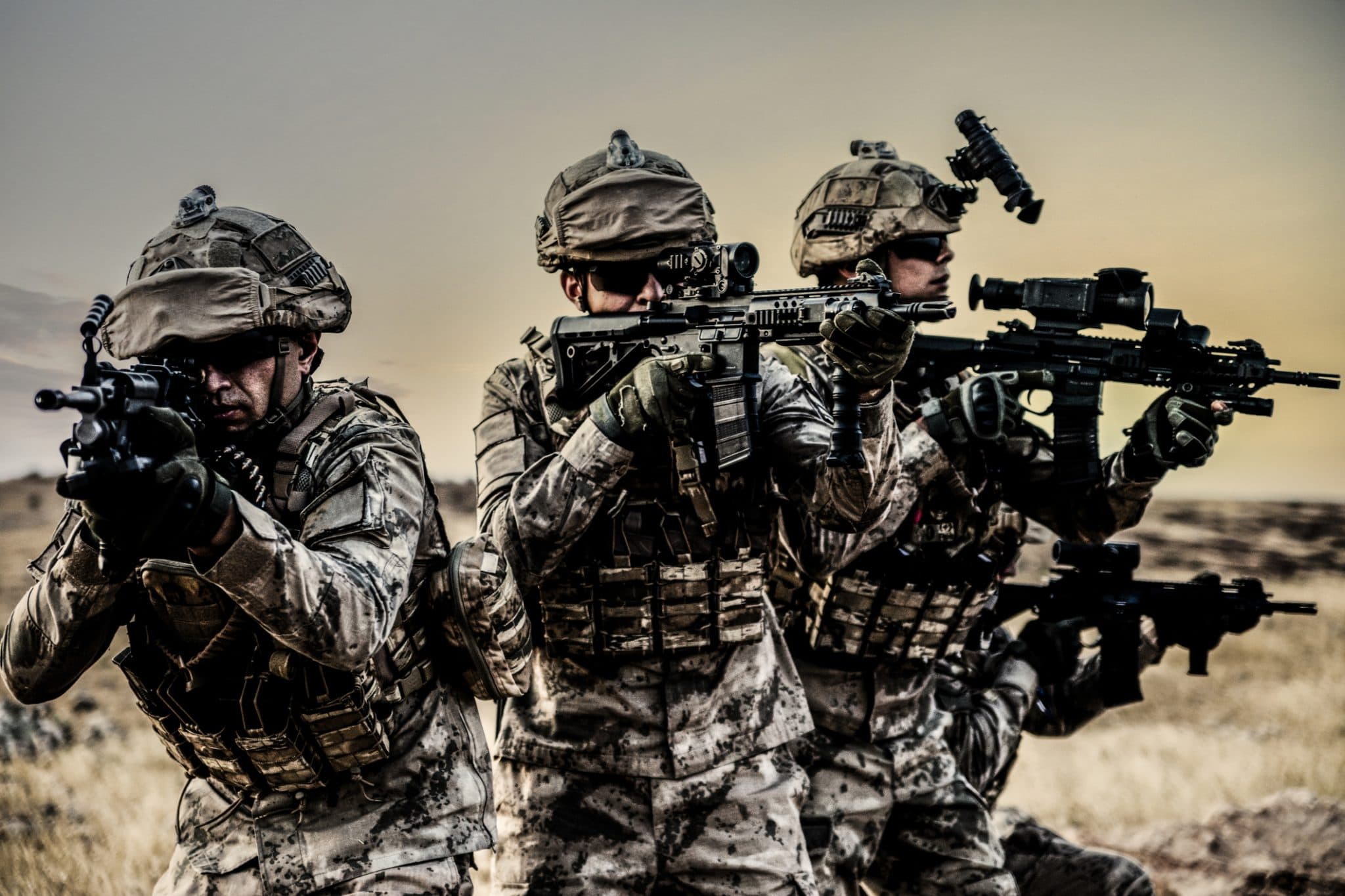
What happens when the gates of the fortress finally creak open, but the soldiers inside refuse to acknowledge the new recruits as equals? The U.S. military opened all combat roles to women in 2015, a historic milestone hailed as a triumph of equality. Yet, nearly a decade later, the cultural terrain remains as treacherous as ever. The armor has been shed, but the old guard still clings to the belief that strength is measured in more than just physical prowess—it’s measured in tradition, in unspoken rules, in the quiet whispers that say, “Not you. Not yet.”
Was Equality Just a Permission Slip? The Illusion of Inclusion
The Pentagon’s decision to lift the ban on women in combat roles was framed as a victory for gender equity. But what does “permission” truly mean when the culture of an institution remains unchanged? The military, like many bastions of tradition, operates on rituals and rites that are as deeply ingrained as the camouflage patterns on a soldier’s uniform. Opening the door was the easy part; rewiring the mindset of generations raised on the idea that combat is a male domain—that’s where the real battle begins.
Consider the language used to describe women in these roles: “integrated,” “allowed,” “permitted.” These words betray a subtle but persistent hierarchy. Women aren’t just soldiers; they’re “women soldiers,” a classification that still feels like an afterthought. The military’s own reports on integration highlight “cultural challenges” as the primary obstacle, a euphemism for the resistance embedded in every barracks, every training ground, every command tent. The permission slip was signed, but the cultural contract was left unsigned.
The Myth of the “Natural” Combatant: Why Biology Became a Battleground
Opponents of women in combat once clung to the argument that biology made them unfit for the rigors of war. But when the data proved otherwise—when women met and often exceeded the physical standards—another myth emerged: that combat is not just about strength, but about something intangible, something called “unit cohesion.” This phrase, wielded like a shield, suggests that women disrupt the sacred alchemy of brotherhood, that their presence fractures the unspoken bonds that make a unit unstoppable.
Yet, if cohesion were truly about camaraderie, why does it only seem to fracture when women enter the picture? The same arguments were made—and debunked—when Black soldiers were integrated, when LGBTQ+ individuals were allowed to serve openly. The fear isn’t about cohesion; it’s about control. The military’s culture has long been a boys’ club, and clubs don’t take kindly to new members, no matter how qualified. The real question isn’t whether women can fight; it’s whether the institution is willing to let them lead.

The Invisible Barracks: Where Harassment Wears a Uniform
The military’s own studies reveal a disturbing truth: women in combat roles face disproportionate rates of sexual harassment and assault. This isn’t a coincidence; it’s a feature of a culture that treats women as interlopers in a space they were never meant to occupy. The barracks, the training grounds, even the battlefield—these are spaces where power dynamics are weaponized. A woman who steps into combat doesn’t just face the enemy; she faces the men beside her who see her as a threat to their dominance.
The irony is almost laughable: the same institution that prides itself on discipline and order struggles to enforce the most basic respect. Women who report harassment are often met with skepticism, their claims dismissed as “drama” or “misunderstandings.” The message is clear: endure it, or leave. But leaving isn’t an option when you’ve fought for the right to serve. So they stay, bruised but unbroken, while the institution pats itself on the back for “progress.”
The Leadership Paradox: Why the Glass Ceiling Still Has Barbed Wire
Women have shattered physical barriers in combat, but the leadership ranks remain stubbornly resistant. The Pentagon’s own data shows that women make up just 17% of the officer corps, and an even smaller fraction in the most senior roles. Why? Because leadership isn’t just about meeting standards; it’s about being seen as a leader. And in a culture that still whispers, “She’s only here because they had to let her,” visibility becomes a liability.
The military’s promotion system is a labyrinth of informal networks, mentorships, and unspoken endorsements—systems that favor those who fit the mold. Women who excel in combat are often sidelined into staff roles, where their contributions are diluted. The message is unmistakable: you can fight, but you can’t lead. The irony? The institution that demands obedience above all else is the same one that refuses to obey its own rules of meritocracy.
What’s Next? The Fight Beyond the Battlefield
So where does this leave us? The combat ban is lifted, but the war for equality rages on—just in a different form. The next battle isn’t about physical strength; it’s about cultural transformation. It’s about dismantling the idea that women are guests in a space they’ve earned the right to call home. It’s about holding the institution accountable when it fails to protect its own.
The military’s integration of women is a microcosm of a larger societal struggle. Every institution that clings to tradition at the expense of progress is a fortress with crumbling walls. The question isn’t whether women belong in combat; it’s whether any institution that resists their presence deserves to survive. The answer, like the fight for equality, is long overdue.









Leave a Comment