
In the grand theater of gender equity, male feminist allyship is the most underrated supporting actor—often miscast, frequently overlooked, and rarely given the script it deserves. Too many men waltz into feminist spaces with the confidence of a knight in shining armor, only to trip over their own performative gestures. Real allyship isn’t about wearing a “This is What a Feminist Looks Like” t-shirt to brunch (though, let’s be honest, that’s a start). It’s about dismantling the scaffolding of patriarchy brick by brick, even when no one’s watching. It’s not performative empathy; it’s structural upheaval. And if you’re still asking what allyship even means, you’ve already lost the plot.
The Silent Saboteur: When Allyship Becomes a Man’s Monologue
Picture this: a man at a feminist panel raises his hand, not to ask a question, but to deliver a 10-minute soliloquy on how he “totally gets it” because his sister had a rough time at work. He’s not here to listen. He’s here to center himself in a conversation about systemic oppression. This is the allyship equivalent of mansplaining—except instead of explaining your own lived experience, you’re explaining someone else’s struggle back to them. Real allyship begins with silence. Not the silence of complicity, but the silence of listening. It’s the humility to admit you don’t know what you don’t know. It’s the courage to sit in discomfort without demanding applause for doing so.
Consider the man who “supports” his female colleagues by taking credit for their ideas in meetings, then pats himself on the back for being “so progressive.” Or the one who “helps” by doing the bare minimum—like not interrupting women in conversation—while ignoring the fact that he’s still the one setting the agenda, controlling the narrative, and deciding who gets to speak. Allyship isn’t a badge you pin to your lapel after one good deed. It’s a daily practice of unlearning entitlement and relearning accountability.

The Unseen Labor: Emotional and Intellectual Heavy Lifting
Allyship isn’t just about showing up—it’s about carrying the weight when the going gets tough. It’s the man who reads feminist theory not to impress his friends, but to interrogate his own complicity. It’s the one who calls out a sexist joke at the family dinner table, even when his uncle glares at him like he’s committed treason. It’s the ally who doesn’t just post a black square on Instagram during Women’s History Month, but who spends the rest of the year advocating for policies that actually improve women’s lives.
But here’s the catch: emotional labor in allyship isn’t about performing empathy for social capital. It’s about recognizing that oppression isn’t a spectator sport. You don’t get to watch from the sidelines and claim victory when the game is over. True allies don’t just amplify marginalized voices—they create the conditions for those voices to be heard in the first place. That means advocating for equal pay, challenging workplace cultures that reward aggression in men and compliance in women, and demanding that reproductive rights aren’t just a talking point during election years.
And let’s be clear: allyship isn’t a one-time donation to a women’s shelter or a single retweet about International Women’s Day. It’s a lifelong commitment to unlearning toxic masculinity, to rejecting the myth that vulnerability is weakness, and to embracing the fact that liberation isn’t a zero-sum game. When men do this work, they don’t just help women—they free themselves from the suffocating constraints of patriarchal expectations.
The Power of Discomfort: Why Growth Lives in the Uneasy Zones
If you’re comfortable in your allyship, you’re doing it wrong. Real allyship isn’t about feeling good about yourself—it’s about feeling uncomfortable enough to grow. It’s the man who realizes that his “progressive” views might still be steeped in subtle sexism. It’s the one who admits that he’s benefited from systems that oppress women, and that his role isn’t to lead the revolution, but to follow the lead of those who’ve been fighting it for centuries.
Discomfort is where transformation happens. It’s the moment you’re called out for a microaggression and instead of getting defensive, you pause and ask, “How can I do better?” It’s the realization that your “support” might actually be centering your own guilt rather than addressing systemic injustice. It’s the humility to accept that allyship isn’t about being a hero—it’s about being a witness, an accomplice, a co-conspirator in the fight for equity.

From Spectator to Accomplice: The Allyship Continuum
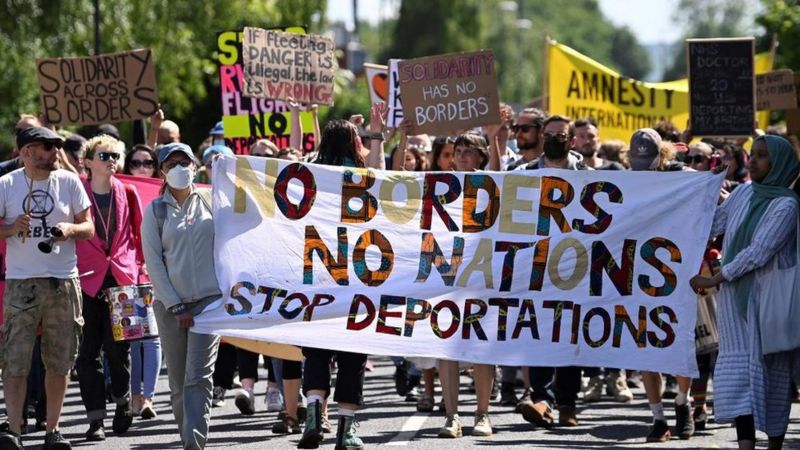
Allyship isn’t a binary—it’s a spectrum. At one end, you have the performative ally, the man who shows up to feminist rallies with a megaphone but can’t name a single policy that would improve women’s lives. At the other, you have the accomplice, the one who uses his privilege to disrupt systems of oppression, even when it costs him something. The journey from spectator to accomplice isn’t about perfection—it’s about progress.
So what does this look like in practice? It’s the man who advocates for parental leave policies that don’t penalize women for having children. It’s the one who challenges the “boys will be boys” excuse when a male colleague makes an inappropriate comment. It’s the ally who donates to abortion funds, not just because it’s trendy, but because he understands that bodily autonomy is a feminist issue. It’s the man who recognizes that feminism isn’t just about women—it’s about dismantling the structures that harm everyone, including men trapped in rigid gender roles.
But here’s the hard truth: allyship isn’t about virtue-signaling. It’s not about collecting feminist credentials like Pokémon cards. It’s about recognizing that liberation is collective, and that your role in the fight isn’t to lead, but to follow. It’s about understanding that feminism isn’t a threat to men—it’s an invitation to a world where everyone, regardless of gender, can thrive without the shackles of oppression.
The Long Game: Allyship as a Lifestyle, Not a Trend
Feminist allyship isn’t a moment—it’s a movement. It’s not something you do for likes or shares or pats on the back. It’s something you commit to, day in and day out, even when no one’s watching. It’s the man who reads feminist literature not to impress his girlfriend, but because he genuinely wants to understand the world from a perspective that isn’t his own. It’s the one who calls out sexism in his friend group, even when it makes him unpopular. It’s the ally who shows up, not just when it’s convenient, but when it’s necessary.
And let’s not forget: allyship isn’t just about women. It’s about trans women, nonbinary people, women of color, disabled women, and every marginalized person who’s been told their struggle doesn’t matter. It’s about recognizing that feminism isn’t a monolith—it’s a tapestry of intersecting identities, each fighting for their own liberation. True allyship means amplifying those voices, even when it’s uncomfortable. It means stepping back so others can step forward. It means understanding that your role isn’t to save feminism—it’s to support it.
So if you’re still wondering what male feminist allyship looks like, here’s the answer: it’s not a costume you wear for a day. It’s not a hashtag you drop when it’s trendy. It’s a daily practice of unlearning, listening, and acting—even when no one’s watching. It’s the courage to admit you don’t have all the answers. It’s the humility to know that liberation isn’t a solo act. And it’s the unwavering commitment to a world where equity isn’t just a dream, but a reality.





Leave a Comment