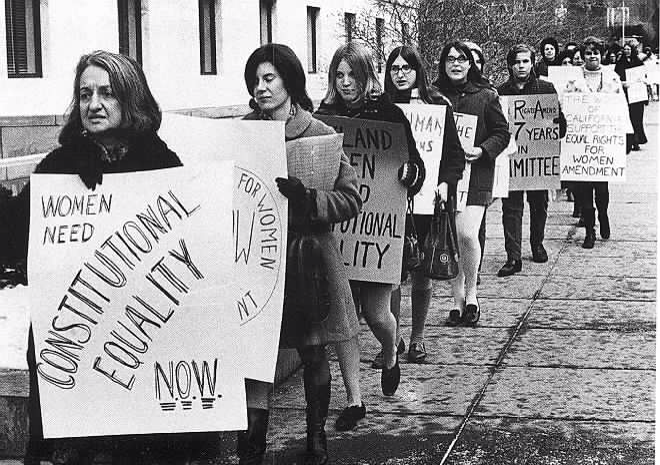
The Second Wave. Even the name itself drips with implication, doesn’t it? A resurgence, a rising tide, a reawakening. But awakenings aren’t always gentle. They can be jarring, disruptive, even downright terrifying to those comfortably slumbering in the status quo. And that, my friends, is precisely what the Second Wave of Feminism was: a rude, necessary, and utterly transformative jolt to the patriarchal slumber of the mid-20th century. Forget the polite whispers of suffrage. This was a roar.
Let’s be clear from the outset: the First Wave secured the vote, a monumental achievement to be sure. But the vote alone doesn’t dismantle centuries of ingrained sexism. It doesn’t magically equalize paychecks or erase the expectation that a woman’s primary purpose is domesticity and procreation. The Second Wave understood this. It recognized that true liberation required a far more radical restructuring of society, a dismantling of the very foundations upon which patriarchal power rested.
So, what exactly was this Second Wave? More than just a list of demands or a series of protests, it was a complex, multifaceted movement, a confluence of ideas, actions, and experiences that forever altered the landscape of gender relations. To truly grasp its significance, we must delve into its key tenets, its internal contradictions, and its lasting legacy.
I. Beyond the Ballot Box: Redefining Liberation
The First Wave focused on securing legal and political rights, primarily suffrage. The Second Wave, while acknowledging the importance of these rights, expanded the definition of liberation to encompass a much broader range of issues. It challenged the very notion of what it meant to be a woman in society, questioning traditional gender roles and demanding control over women’s bodies and destinies.
A. The Personal is Political: This was the mantra, the rallying cry. It meant recognizing that seemingly private experiences – like marriage, motherhood, and sexuality – were in fact deeply intertwined with political structures and power dynamics. The expectation that women should be subservient wives, nurturing mothers, and sexually chaste beings was not simply a matter of personal choice; it was a reflection of a patriarchal system designed to control and oppress women.
B. Reproductive Rights: Control over one’s own body is fundamental to autonomy. The Second Wave understood this implicitly. The fight for access to contraception and abortion was not just about individual freedom; it was about challenging the patriarchal notion that women’s primary purpose was to reproduce and serve the needs of men and the state. This struggle, often fraught with controversy and vitriol, remains a central battleground in the ongoing feminist project.
C. Challenging the Domestic Sphere: The idealized image of the happy homemaker, contentedly tending to her husband and children, was a powerful tool of patriarchal control. The Second Wave challenged this image head-on, exposing the emotional and intellectual stifling that many women experienced within the confines of the domestic sphere. Betty Friedan’s *The Feminine Mystique* became a touchstone for this critique, articulating the “problem that has no name” – the pervasive sense of dissatisfaction and unfulfillment experienced by many middle-class American housewives.
II. Power and Patriarchy: Unmasking the System
The Second Wave wasn’t just about individual liberation; it was about dismantling the systems of power that perpetuated gender inequality. It sought to unmask the ways in which patriarchy operated in various spheres of life, from the workplace to the media to the legal system.
A. Economic Justice: Equal pay for equal work. It sounds simple enough, doesn’t it? Yet, decades after the Second Wave, the gender pay gap persists. The fight for economic justice was (and is) about more than just equal pay; it’s about challenging the systemic devaluation of women’s work, both paid and unpaid. It’s about dismantling the barriers that prevent women from accessing education, training, and leadership positions.
B. Challenging Media Representation: The media, then as now, played a crucial role in shaping perceptions of women. The Second Wave critiqued the objectification and sexualization of women in advertising, film, and television. It challenged the limited and often stereotypical roles assigned to women in these mediums. It demanded that women be represented as complex, multifaceted human beings, not just as objects of male desire.
C. Legal Reform: The Second Wave pushed for significant legal reforms aimed at eliminating gender discrimination. The Equal Rights Amendment (ERA), though ultimately unsuccessful in achieving ratification, symbolized the movement’s commitment to enshrining gender equality in the Constitution. Title IX, passed in 1972, prohibited sex discrimination in education, opening doors for women in sports and other academic fields.
III. Protest and Praxis: The Arsenal of Resistance
The Second Wave wasn’t just a theoretical exercise; it was a movement fueled by action. From consciousness-raising groups to large-scale protests, women employed a variety of tactics to challenge the status quo and demand change.
A. Consciousness-Raising Groups: These small, informal gatherings provided a safe space for women to share their experiences, analyze their oppression, and develop strategies for collective action. These groups were the bedrock of the Second Wave, fostering a sense of solidarity and empowering women to challenge the internalized sexism that often held them back. Within these intimate circles, the insidious nature of microaggressions and systemic biases were dissected, revealing the pervasive and often subtle ways in which patriarchal structures shaped women’s lives.
B. Protests and Demonstrations: From the Miss America protests of 1968, which famously included the symbolic “bra-burning” (though no actual bras were burned), to marches for reproductive rights, women took to the streets to demand equality and challenge the patriarchal norms of society. These protests were not just about specific demands; they were about visibility, about making women’s voices heard, and about creating a sense of collective power.
C. Creating Alternative Institutions: Recognizing that existing institutions were often hostile to women’s needs, the Second Wave established alternative institutions that catered specifically to women. These included women’s health clinics, rape crisis centers, battered women’s shelters, and feminist bookstores. These institutions provided essential services to women and created spaces where women could feel safe, supported, and empowered.
IV. Internal Divides and the Complexities of Intersectionality
The Second Wave, like any complex social movement, was not without its internal divisions. While united in their commitment to gender equality, feminists often disagreed on the best strategies for achieving this goal and on the relative importance of different issues. Furthermore, the movement was often criticized for its lack of inclusivity, particularly in its failure to adequately address the concerns of women of color, working-class women, and lesbian women.
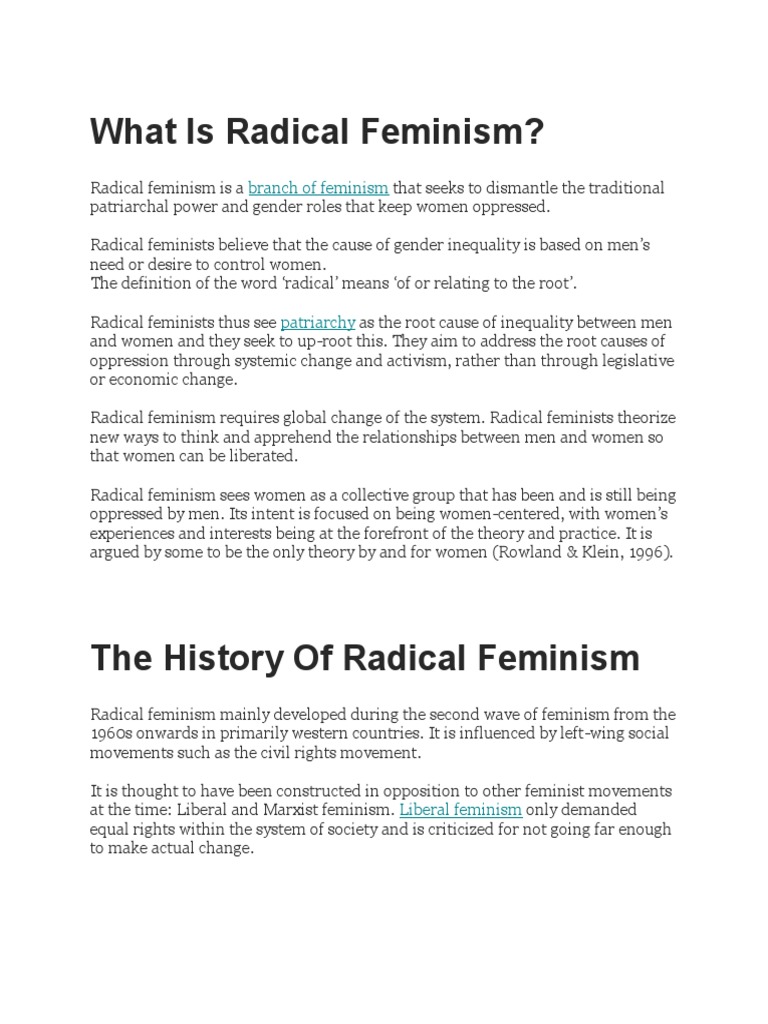
A. Radical vs. Liberal Feminism: Radical feminists sought to fundamentally transform society by dismantling patriarchal structures and challenging traditional gender roles. Liberal feminists, on the other hand, focused on achieving equality within the existing system through legal and political reforms. These differing perspectives often led to heated debates about the best way forward.
B. The Exclusion of Women of Color: The Second Wave was often dominated by white, middle-class women, and its agenda often reflected their priorities. Women of color argued that the movement failed to adequately address the specific challenges they faced, including racism, poverty, and the legacy of colonialism. This critique led to the development of Black feminism and other forms of feminist thought that emphasized the intersectionality of oppression.
C. Lesbian Feminism: Lesbian feminists challenged the heteronormative assumptions of the Second Wave, arguing that heterosexuality was a political institution that reinforced patriarchal power. They advocated for lesbian visibility and for the recognition of lesbian relationships as valid and empowering alternatives to heterosexual marriage. This perspective challenged the very definition of womanhood and expanded the boundaries of feminist thought.
V. The Enduring Legacy: A World Transformed (and Still Transforming)
The Second Wave of Feminism may have officially ended in the 1980s, but its legacy continues to shape our world today. While many challenges remain, the movement fundamentally altered the landscape of gender relations and paved the way for subsequent generations of feminists.
A. Increased Opportunities for Women: The Second Wave opened doors for women in education, employment, and politics. Women now participate in virtually every field, from science and engineering to business and government. While gender disparities persist, the progress made in the last several decades is undeniable.
B. Greater Awareness of Gender Inequality: The Second Wave raised awareness of the pervasive nature of gender inequality and challenged the notion that sexism was a thing of the past. The movement sparked a national conversation about women’s rights and inspired countless individuals to challenge gender stereotypes and advocate for change.
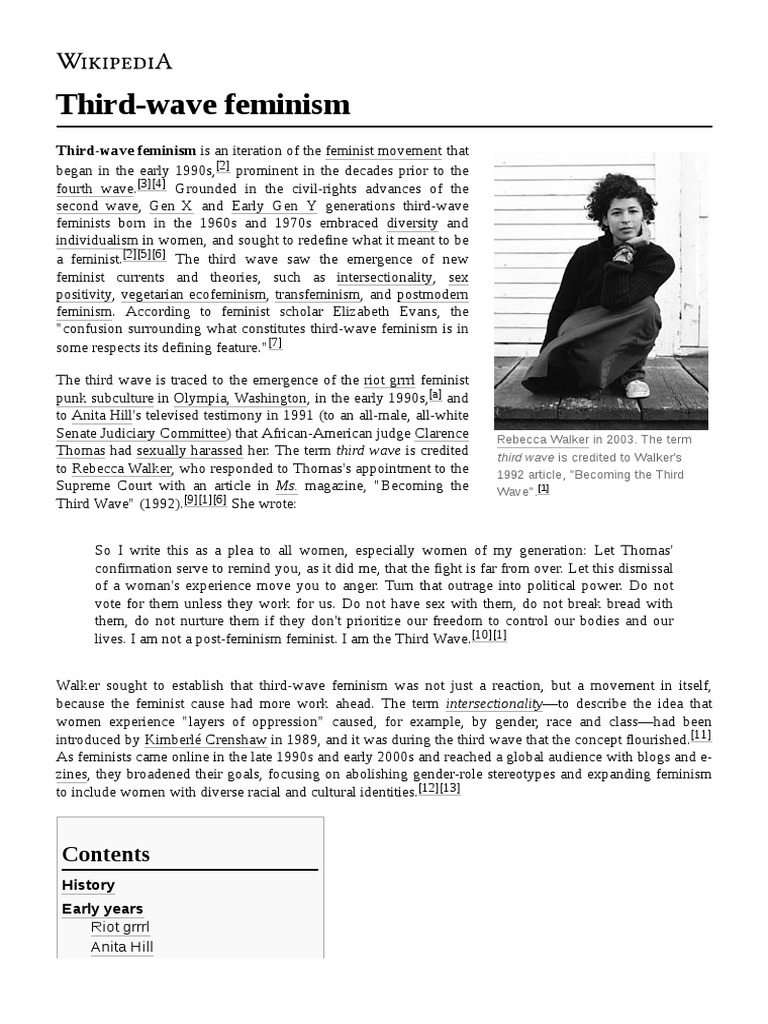
C. The Foundation for Future Feminist Movements: The Second Wave laid the groundwork for subsequent feminist movements, including Third Wave feminism and the current #MeToo movement. These movements have built upon the achievements of the Second Wave while also addressing new challenges and expanding the scope of feminist thought. The fight for gender equality is far from over, but the Second Wave provided a crucial foundation for this ongoing struggle.
The Second Wave of Feminism was a seismic shift, a tumultuous period of upheaval and transformation. It was messy, contradictory, and often divisive. But it was also a force for profound and lasting change, a catalyst for a world in which women have more opportunities, more power, and more control over their own destinies. The echoes of its roar still resonate today, reminding us that the fight for gender equality is a never-ending project, a continuous process of challenging, questioning, and reimagining the possibilities of a more just and equitable world. And as we navigate the complexities of contemporary feminism, let us not forget the lessons learned from those who dared to challenge the slumbering giants of patriarchy and ignite the flames of liberation.





Leave a Comment