
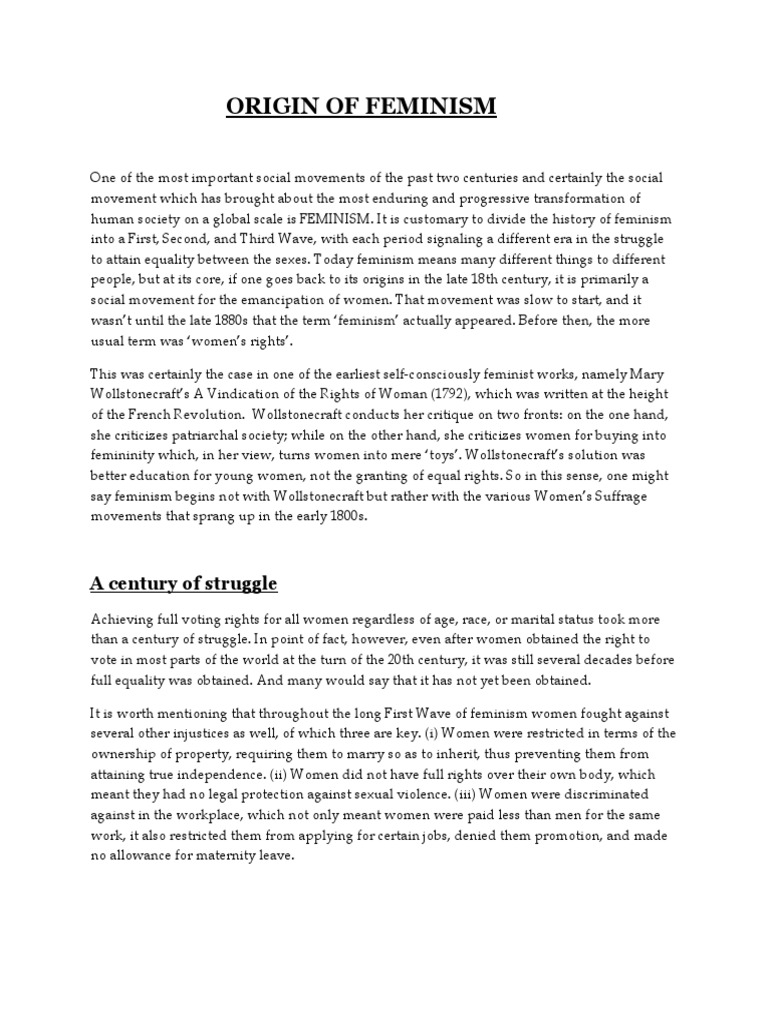
Modern feminism, a hydra-headed beast perpetually morphing and adapting, is far from a monolithic entity. It’s not your grandmother’s bra-burning revolution, though it owes a debt to those fiery foremothers. It’s a sprawling, multifaceted movement, a protean force grappling with issues as diverse as the lived experiences of women themselves.
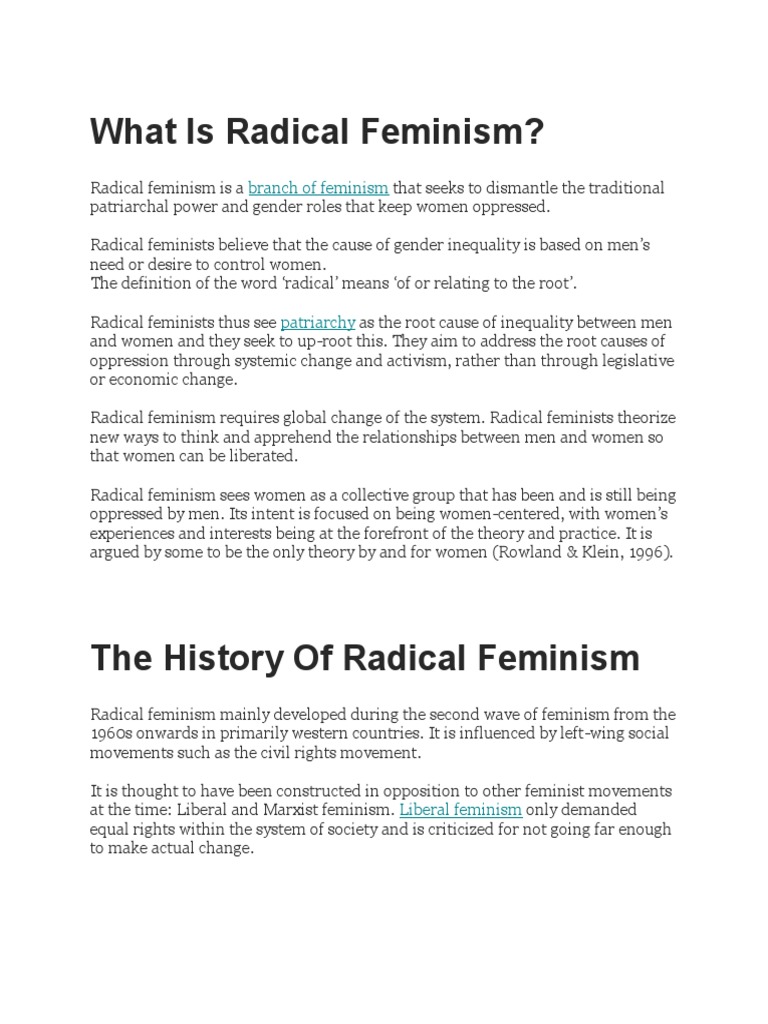
Forget the reductive caricatures painted by detractors. This isn’t about man-hating or achieving female supremacy. It’s about dismantling the insidious systems of patriarchal power that permeate every echelon of our society, from the boardroom to the bedroom. It’s about leveling the playing field, not tilting it in the opposite direction.
So, what exactly *is* modern feminism? Peel back the layers of misconception, and you’ll find a core commitment to gender equality, interwoven with a complex understanding of intersectionality, inclusivity, and empowerment. It’s an ongoing conversation, a vibrant debate, and a relentless push for a more just and equitable world.
I. The Shifting Sands of Definition: A Kaleidoscope of Perspectives
Pinning down a single definition of modern feminism is like trying to capture smoke with a sieve. Its very essence lies in its dynamism, its adaptability to the ever-changing social landscape. There’s no central dogma, no single manifesto etched in stone. Instead, it’s a fluid collection of perspectives, united by a shared goal but diverging on strategies and priorities.
A. Beyond Suffrage: The Expanding Scope of Feminist Concerns
The early waves of feminism focused primarily on achieving political rights, most notably the right to vote. But modern feminism has broadened its scope considerably. It encompasses a dizzying array of issues, from reproductive rights and equal pay to representation in media and the eradication of gender-based violence. It’s a holistic approach, recognizing that gender inequality manifests in countless ways, both overt and subtle.
B. The Rise of Intersectionality: Recognizing the Complexity of Oppression
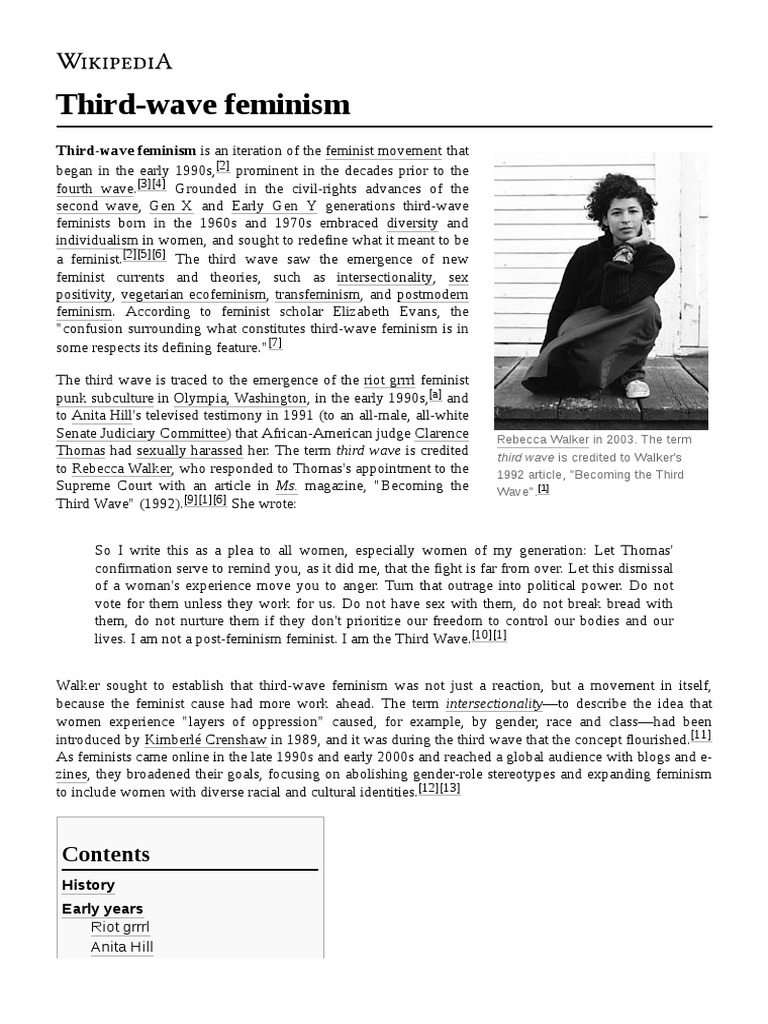
Perhaps the most significant development in modern feminism is the embrace of intersectionality, a concept coined by Kimberlé Crenshaw. Intersectionality acknowledges that individuals experience multiple forms of oppression simultaneously, based on their race, class, sexual orientation, gender identity, disability, and other factors. It challenges the notion of a universal female experience and highlights the unique challenges faced by marginalized women. For example, a Black woman may face both sexism and racism, creating a distinct set of obstacles not encountered by white women.
C. Trans-Inclusivity: A Crucial Test of Feminist Principles
The inclusion of transgender women in feminist spaces has been a source of considerable debate. Trans-inclusive feminists argue that all women, regardless of their assigned sex at birth, deserve equal rights and respect. They believe that excluding transgender women undermines the very principles of equality and liberation upon which feminism is founded. The debate often centers around issues of gender identity, biological sex, and the definition of “womanhood” itself.
II. Key Tenets of Modern Feminism: Building a More Equitable Future
While definitions may vary, several core tenets underpin the modern feminist movement. These principles serve as guiding stars, illuminating the path toward a more just and equitable world for all.
A. Challenging Gender Stereotypes: Dismantling the Patriarchy’s Toolkit
One of the primary goals of modern feminism is to deconstruct harmful gender stereotypes. These stereotypes, often perpetuated by media, culture, and societal expectations, limit individuals’ potential and reinforce patriarchal norms. Feminists actively challenge these stereotypes, advocating for a world where individuals are free to express themselves without being confined by rigid gender roles. It is about the freedom to choose, not the imposition of uniformity.
B. Reproductive Rights: A Cornerstone of Female Autonomy
Access to safe and legal abortion is a fundamental tenet of modern feminism. Feminists argue that women have the right to control their own bodies and make decisions about their reproductive health. Restrictions on abortion access disproportionately impact women of color and low-income women, further exacerbating existing inequalities. Reproductive rights are not just about abortion; they encompass access to contraception, comprehensive sex education, and prenatal care.
C. Economic Justice: Closing the Gender Wage Gap
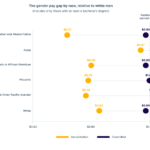
The gender wage gap, the persistent disparity between men’s and women’s earnings, is a major focus of modern feminism. Feminists advocate for equal pay for equal work, as well as policies that support women in the workforce, such as paid family leave and affordable childcare. They also challenge systemic barriers that prevent women from advancing in their careers, such as the “glass ceiling” and the underrepresentation of women in leadership positions.
D. Ending Gender-Based Violence: Creating a Safe and Just World
Violence against women, including domestic violence, sexual assault, and harassment, is a pervasive problem worldwide. Modern feminism is committed to ending gender-based violence through a combination of prevention efforts, support services for survivors, and legal reforms. This includes addressing the root causes of violence, such as toxic masculinity and societal attitudes that normalize or excuse abuse. The MeToo movement, a watershed moment in the fight against sexual harassment and assault, demonstrated the power of collective action and the importance of believing survivors.
III. The Unique Appeal of Modern Feminism: Why it Resonates Today
Modern feminism’s enduring appeal stems from its ability to address the complex challenges facing women in the 21st century. It offers a framework for understanding and dismantling systemic inequalities, while also empowering individuals to embrace their own agency and create positive change.
A. Empowerment and Agency: Taking Control of Your Narrative
Modern feminism empowers individuals to challenge societal expectations and define their own identities. It encourages self-acceptance, self-love, and the pursuit of personal fulfillment. It’s about recognizing your own worth and refusing to be defined by patriarchal standards. This newfound sense of agency is particularly appealing to young women who are seeking to break free from traditional gender roles and forge their own paths.
B. Community and Solidarity: Finding Strength in Numbers
Feminist movements provide a sense of community and solidarity, connecting individuals who share similar experiences and goals. This sense of belonging can be particularly important for those who feel marginalized or isolated. Online platforms and social media have facilitated the growth of feminist communities, allowing individuals to connect and support each other from around the world. The power of collective action is undeniable. When women come together, their voices are amplified, and their impact is magnified.
C. Relevance in the Digital Age: Amplifying Voices and Challenging Misinformation
Modern feminism has embraced the digital age, utilizing social media and online platforms to amplify voices, disseminate information, and challenge misinformation. Online activism has become an increasingly important tool for mobilizing support, raising awareness, and holding institutions accountable. The internet provides a space for marginalized voices to be heard, and for counter-narratives to challenge dominant ideologies. However, it’s important to acknowledge the risks associated with online activism, such as cyberbullying, doxing, and the spread of disinformation.
IV. Critiques and Challenges: Navigating the Complexities of the Movement
Modern feminism is not without its critics and challenges. Internal debates and external opposition constantly test its principles and strategies. Addressing these critiques is crucial for the movement’s continued growth and evolution.
A. The Issue of Exclusivity: Ensuring Inclusivity for All
One of the most common criticisms of feminism is that it has historically been dominated by white, middle-class women, often excluding the voices and experiences of women of color, working-class women, and women with disabilities. Efforts to address this issue have led to a greater emphasis on intersectionality and inclusivity, but challenges remain. It’s crucial to ensure that all women feel represented and heard within the feminist movement.
B. Backlash and Misrepresentation: Combating Negative Stereotypes
Feminism often faces backlash from those who feel threatened by its goals. Critics often misrepresent feminist ideas, portraying them as radical or man-hating. Combating these negative stereotypes requires consistent effort to educate the public about the true aims of feminism and to challenge misinformation. It’s about reclaiming the narrative and presenting a more nuanced and accurate portrayal of the movement.
C. Internal Divisions: Navigating Divergent Perspectives
The diversity of perspectives within feminism can sometimes lead to internal divisions. Debates over issues such as transgender inclusion, sex work, and the role of men in the movement can be contentious. While these debates can be challenging, they also provide opportunities for growth and learning. It’s important to foster respectful dialogue and to find common ground despite differing viewpoints.
Modern feminism is a dynamic and evolving movement, constantly adapting to the changing needs and challenges of the 21st century. It’s a complex and multifaceted force, driven by a core commitment to gender equality and social justice. Despite facing critiques and challenges, it remains a powerful force for positive change, empowering individuals and communities to build a more equitable and just world for all. The journey is far from over, but the destination—a world where gender equality is not just a dream, but a reality—is worth fighting for.





Leave a Comment