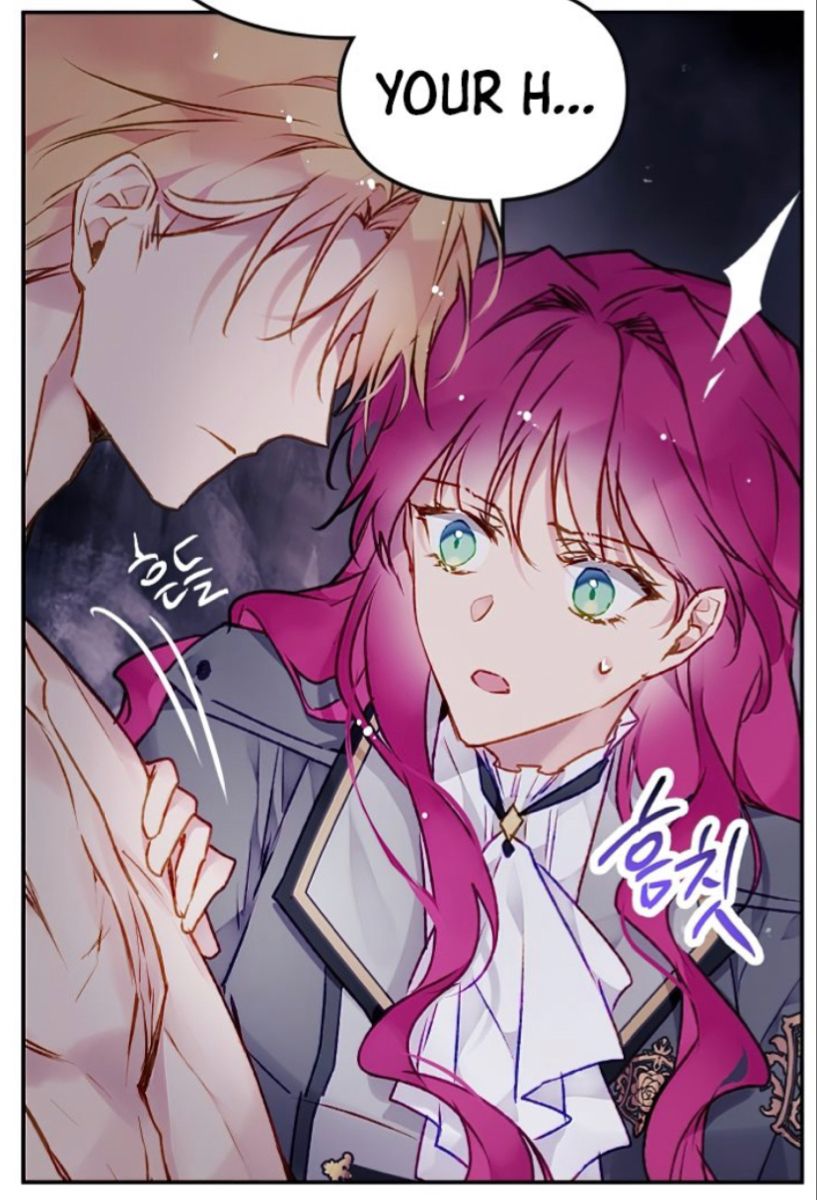
In a world progressively attuned to dismantling archaic stereotypes, the dumb blonde archetype obstinately clings to its place in the cultural psyche. This pervasive trope, rooted in superficial judgments and gendered assumptions, has proven itself unexpectedly resilient. It manifests in an array of media and popular culture, despite society’s purported commitment to nuanced character portrayals. Unpacking its endurance reveals not just a commentary on perception and prejudice, but a broader indictment of how femininity and intellect are often unfairly polarized.
The Origins and Evolution of the Dumb Blonde Trope
The “dumb blonde” stereotype is hardly a modern invention; it has glimmered and festered in societal narratives for over a century. Originating from early 20th-century vaudeville and Hollywood films, this caricature fused blonde hair—a symbol historically linked to beauty, innocence, and naivety—with intellectual deficiency. It functioned as a convenient shorthand, an easily digestible label that trivialized and diminished complex individuals into mere visual cues. Over time, its contours have shifted subtly, but the core essence remains: beauty and intellect are frequently framed as mutually exclusive in women.
This trope’s longevity is intertwined with its strategic usefulness. By portraying blondes as vacuous and ditzy, patriarchal storytelling channels anxieties surrounding powerful women into slapstick comedy or harmless frivolity. The dumb blonde isn’t just a character; she is a containment vessel for societal mistrust and the policing of female ambition and intellect.
Media Manifestations: From Classic Cinema to Contemporary Content
The dumb blonde trope thrives in the fertile grounds of visual media—films, TV shows, memes, and even video games—each perpetuating its stereotype with varying degrees of subtlety or overt cynicism. Classic Hollywood, with stars like Marilyn Monroe, codified the archetype, blending luscious looks with a coy disposition. While sometimes laced with a self-aware wink, this portrayal rarely transcended surface-level characterization.
Fast-forward to today, and the trope worms into newer platforms, including social media and digital art. Memes saturate feeds, reducing blonde women to shorthand jokes about stupidity or misplaced priorities. Animated characters or game avatars often bear the unmistakable hallmarks of the archetype: exaggerated femininity shrouded in cognitive ineptitude. The persistence of this stereotype across evolving media landscapes exemplifies its entrenched nature.

The Social Implications: Gender, Intelligence, and the Policing of Femininity
At its core, the dumb blonde stereotype is a mechanism of social control, weaponized to disparage women’s intelligence based primarily on appearance. It tacitly enforces the erroneous notion that beauty—and particularly the hyper-feminine blonde beauty—is incompatible with intellectual capability. This binary logic is damaging, not only promoting sexist assumptions but also fostering an environment where women’s worth is judged superficially.
More perniciously, the trope taps into anxieties that women pose a threat when they subvert expected roles. By infantilizing blonde women as oblivious or scatterbrained, society renders their potential for challenge and change harmless, disarming them with laughter or dismissal. This policing of femininity contributes to broader systemic issues such as workplace discrimination, educational bias, and cultural minimization of women’s voices.
Contemporary Counter-Narratives: Challenging and Reclaiming the Blonde Image
Despite its tenacity, the dumb blonde trope is not without its challengers. A rising wave of content—spanning literature, film, and digital art—deliberately subverts or outright dismantles this stereotype. These portrayals paint blonde women as multidimensional, intelligent, and complex, deliberately contradicting decades of reductive caricature.
In contemporary storytelling, blonde characters are increasingly afforded agency and depth, confronting and shattering expectations. Some creators reclaim the archetype with irony and wit, flipping the script to expose the trope’s absurdity. This reclamation is a radical act of cultural resistance, demanding that audiences reconsider their implicit biases and recognize the diversity that exists well beyond simplistic labels.

Why Does the Dumb Blonde Stereotype Persist?
One must ask: why, in an age of social progress and increasing awareness about gender equity, does this stereotype refuse to die? The answer lies partly in the ease of cognitive shortcuts—the unconscious biases we all harbor. Stereotypes reduce complexity, allowing quick mental processing at the cost of truth and fairness. They are clichés that perpetuate themselves precisely because they are comfortable and familiar.
Additionally, the trope serves as a cultural meme that’s easy to replicate, adapt, and market. It plays into humor, aesthetics, and nostalgia in ways that can overshadow its harmful implications. The collective inertia of these factors means that even penetrating critiques often struggle to efface the stereotype entirely.
The Path Forward: Education, Representation, and Critical Media Literacy
Eradicating the dumb blonde archetype requires more than surface-level reforms—it demands a seismic shift in how society engages with stereotypes and gendered narratives. Education must foster critical media literacy from an early age, equipping individuals to recognize and question reductive depictions. Media creators bear a responsibility to portray women in all their diverse intellectual and emotional complexity.
Furthermore, ongoing feminist activism and cultural critique shine a necessary light on these outdated tropes. By amplifying alternative narratives and highlighting stories where blonde women transcend stereotypical boundaries, the cultural imagination can gradually evolve. This shift is not just about blondes; it is about dismantling all forms of pigeonholing that stifle authentic human diversity.
Conclusion: The Enduring Impact and Cultural Reckoning
The dumb blonde archetype is a cultural relic—tattered, persistent, and provocative. Its survival underscores uncomfortable truths about gender bias, superficial judgment, and the challenges of cultural change. Recognizing this archetype’s harm is the first step toward supplanting it with narratives that celebrate intellect, beauty, and complexity in tandem. Until then, the dumb blonde remains a stubborn ghost haunting our collective consciousness, a reminder that the fight for genuine representation and respect is far from over.









Leave a Comment