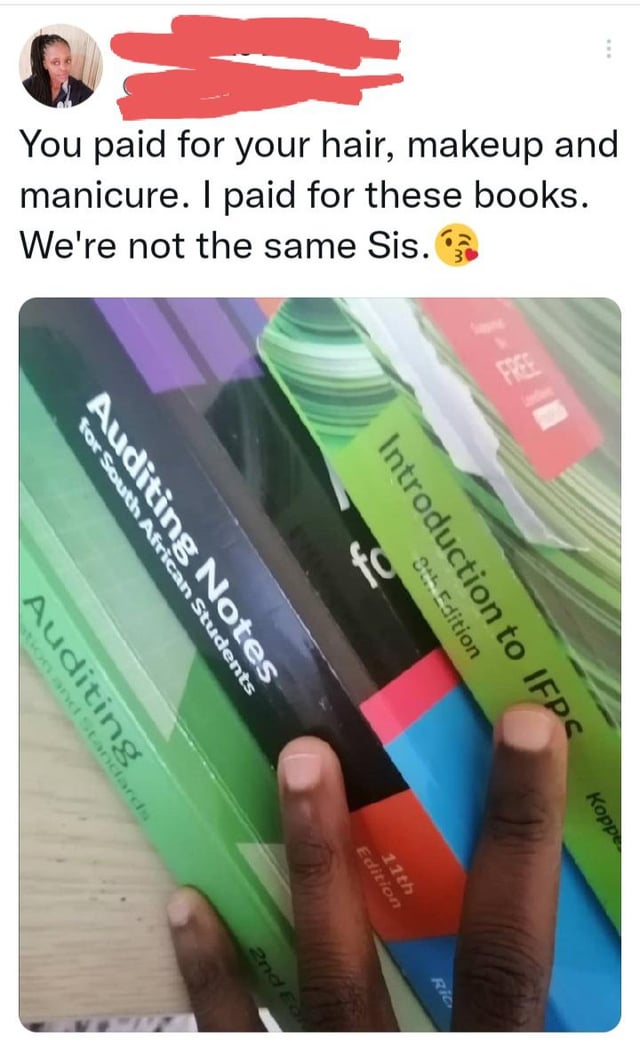
There is a peculiar cadence to the language that floats through social discourse: “I’m not like other girls.” It’s a phrase that’s whispered, shouted, lamented, and even weaponized. At surface level, it seems innocuous—a harmless assertion of individuality. But scratch beneath the veneer, and you encounter an intricate web of gendered expectations, internalized misogyny, and performative identity politics. This is the pipeline that funnels “not like other girls” into “pick me,” a complex transformation loaded with cultural implications and fraught psychological consequences. Understanding this dynamic isn’t just about critiquing a catchphrase; it’s about unveiling the broader mechanisms that shape how femininity is constructed, policed, and performed in society.
The Alluring Mirage of Individuality
At the heart of the “not like other girls” mantra lies a yearning for distinction—a plea to stand apart from a nebulous, monolithic “other.” It’s an attempt to reclaim agency in a world that frequently reduces women to stereotypes: the vapid, the irrational, the overly emotional. Claiming difference is a strategy, an effort to carve out personal identity within constricting boundaries. Yet, paradoxically, this claim often reinscribes those very stereotypes. By positioning oneself as unlike “those others,” the speaker tacitly validates the existence of the category they reject, inadvertently reinforcing the caricatures they seek to escape.
This phenomenon isn’t solely about self-definition but also about social capital. Being “not like other girls” can be a bid for approval—often male approval—framed as a merit badge for perceived virtues, whether it’s disinterest in fashion, aversion to drama, or flirtation with traditionally masculine interests. The allure resides in the safety of being exceptional among an undifferentiated mass, which culturally is assumed to be insufficient or lesser.

The Linguistic Architecture of the “Pick Me” Persona
“Pick me” is the natural progression of the “not like other girls” sentiment manifest in interpersonal dynamics, particularly in romantic or social competition. It’s a performative display aimed at eliciting external validation by embracing and elevating traits perceived as preferable or more palatable to a dominant audience, usually men. This persona is steeped in subtle self-denigration of other women, often deploying phrases dripping with condescension or passive-aggression.
This is not an organic unfolding but a learned behavior, transmitted by cultural scripts that valorize submissiveness while punishing authentic female camaraderie. The “pick me” persona is a survival tactic in a heteronormative ecosystem where worth is measured in terms of desirability and compliance with patriarchal norms. It’s a self-imposed exile from sisterhood, masquerading as individualism.
Internalized Misogyny: The Invisible Chains
The pipeline from “not like other girls” to “pick me” is paved with internalized misogyny—the subtle, insidious absorption of society’s biases against women, internalized to the point of self-policing. It manifests as distrust, jealousy, and hierarchical judgment within female communities. This self-oppression cloaked as differentiation perpetuates the false dichotomy: to be either the idealized “exceptional woman” or the “problematic other.”
Internalized misogyny creates fissures where solidarity should thrive. It obscures the fact that the constructs women compete under are often projections cast by a patriarchal gaze. The “not like other girls” phrase disguises not confidence but a survivalist mimicry—aligning with dominant norms just enough to navigate a world that continually seeks to mark and categorize female worth.
The Cultural Fascination with “Not Like Other Girls” Narratives
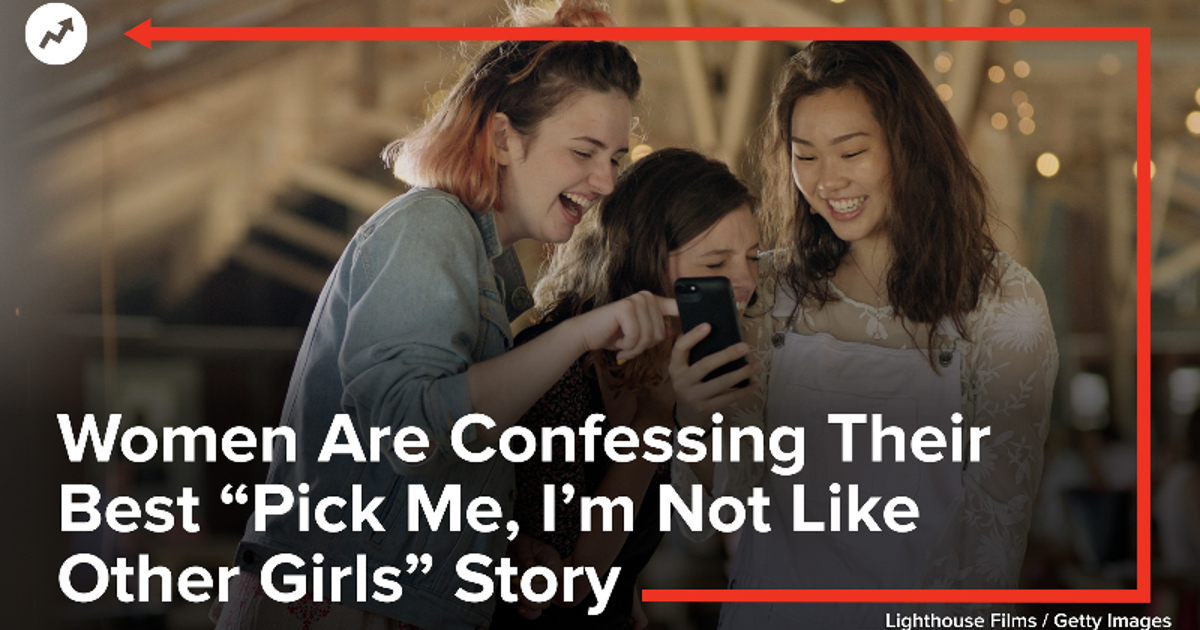
The repeated fascination and recirculation of “not like other girls” stories tap into deep cultural anxieties and preconceptions about gender roles. These narratives serve as cautionary tales, confessions, and even performances that reveal societal tensions around femininity and competition. They highlight the pervasive nature of the trope and the psychological labor involved in negotiating self-worth in a gendered world.
Moreover, the popularity of these narratives underscores how pervasive and normalized the trope has become. It becomes a shared language that many women both resist and reproduce, reflecting an ambivalence towards traditional gender expectations. That ambivalence fuels a paradoxical allure: the narratives feel honest and relatable, yet they perpetuate the very frameworks that constrain women’s identities.

Breaking the Cycle: Towards Authentic Solidarity
Addressing the “not like other girls” to “pick me” pipeline requires dismantling the cultural and psychological conditions that sustain it. It involves questioning the binaries that pit women against each other and resisting the impulse to seek validation through comparison and othering. Authentic solidarity rooted in empathy rather than competition can erode the foundations upon which this pipeline is built.
Empowering women to claim their multifaceted identities without resorting to diminishment of others is essential. This means fostering spaces where vulnerability and difference coexist without fear of judgment or exclusion. Ultimately, it is a collective undertaking—not just to subvert a catchphrase but to reclaim femininity as a spectrum of experiences rather than a narrow, exclusionary ideal.
Conclusion: Reclaiming the Narrative
The metamorphosis from “not like other girls” to “pick me” is more than linguistic flair; it is a reflection of entrenched societal dynamics that shape female identity and interaction. To confront this pipeline is to confront the broader condition of women’s social positioning—caught between self-expression and systemic constraint. Only by illuminating this fraught pathway can a transformative reimagining of womanhood emerge, one where identity is no longer a contest but a celebration of complexity and authentic connection.








Leave a Comment